
You can miss this pick in a heartbeat. The label looks cute, the bottle is expensive enough to feel safe, and then the first sip lands like oaky wood chips or sour apple peel. I have watched that happen at brunches, birthday dinners, and those “I’ll just grab something nice” liquor-store runs more times than I care to admit.
So here is the straight answer. The best wine for young women is usually not one bottle. It is a short list of easy, crowd-pleasing styles that lean fresh, fruit-forward, low in tannin, and not too boozy: Prosecco, dry rose, Moscato d’Asti, off-dry Riesling, Sauvignon Blanc, and Pinot Noir. If you do not know her taste, buy freshness before power. Dry rose or Prosecco is the safest blind pick almost every time.
That answer sounds simple, and it is. But the useful part is knowing why those wines work, and when the wrong “nice” bottle goes sideways.
Fast Pick Matrix
| If the taste leans… | Start here | Skip first |
|---|---|---|
| Sweet, floral, soft | Moscato d’Asti or off-dry Riesling | Very dry Sauvignon Blanc |
| Fresh, crisp, not sugary | Dry rose, Sauvignon Blanc, Prosecco Brut | Heavy oaked Chardonnay |
| Red, but smooth | Pinot Noir or Gamay | Young Cabernet Sauvignon |
| No clue at all | Dry rose or Prosecco | Big high-alcohol reds |
A quick shelf rule: if a red is pushing 14.5% alcohol by volume or more, treat it as a riskier first buy.
- Which wine styles are the easiest first picks
- How sweetness, acidity, tannin, and alcohol change the feel of a wine
- What to bring for brunch, girls’ night, dinner, or a blind gift
- How to read labels fast without getting tricked by wine jargon
- The mistakes that make a decent bottle feel like a bad one
Best Wine for Young Women at a Glance
If you want the shortest useful answer, here it is: pick a wine that feels lively, fruity, and easy to drink before you pick one that looks prestigious. That is why Prosecco, dry rose, Moscato d’Asti, off-dry Riesling, Sauvignon Blanc, and Pinot Noir keep showing up as beginner-friendly wine styles. They cover the big taste lanes without forcing you into the rougher end of the wine aisle.
The easiest blind buys break down like this:
Pick this if she likes sweet drinks: Moscato d’Asti, off-dry Riesling
Pick this if she likes crisp drinks: dry rose, Sauvignon Blanc, Prosecco Brut
Pick this if she wants red without the chewiness: Pinot Noir, Gamay
Pick this if you know nothing at all: dry rose or Prosecco
There is a reason dry rose and Prosecco are such workhorses. They split the difference. Rose gives you fruit without syrup and food-friendliness without heaviness. Prosecco gives you bubbles, lift, and a celebratory feel without the steeper, toastier profile that can make some traditional-method sparklers feel a bit stern on first pass.
And yes, “young women” is a shopping context, not a taste law. Some love bone-dry Champagne. Some want peachy Moscato. Some are red-wine people already. The goal is not to guess by stereotype. The goal is to lower the odds of a bad first sip.
How to Pick the Right Bottle by Taste, Not Stereotype
Most bad wine picks happen because people focus on color, region, or price before they focus on texture. That is backwards. The first thing you feel is not prestige. It is sweetness, acidity, tannin, and alcohol.
Sweetness is obvious when it is high, but plenty of wines feel softer without being truly sweet. Fruit can trick your brain that way. A peachy Prosecco can feel rounder than a razor-sharp white, even when it is not sugary.
Acidity is the zip. It is what makes Sauvignon Blanc feel crisp and what keeps Moscato d’Asti from tasting like liquid candy. If someone likes lemonade, citrus cocktails, or tart fruit, that bright edge usually works in their favor.
Tannin is the thing a lot of people get wrong. They think dry is the enemy, but tannin is often the real issue. Tannin is that drying, slightly grippy feel you get in a lot of red wines. Think soft cotton versus a rough paper towel on your tongue. Pinot Noir tends to stay on the soft side. Young Cabernet often does not.
Alcohol by volume, or ABV, changes the feel too. Higher alcohol can make a wine seem heavier, warmer, and louder. That can be great with a rich steak dinner. It is less helpful when you are trying to find an easy wine to drink at a shower, patio hang, or girls’ night.
A simple tasting shortcut
If she likes spritzes, fruity cocktails, or ciders, start with Moscato d’Asti, rose, or a softer sparkling wine.
If she likes citrus drinks and crisp white sangria, start with Sauvignon Blanc or dry rose.
If she says she wants red, steer toward Pinot Noir before you even glance at Cabernet.
That last point matters more than most “wine for women” lists admit. The wrong red makes people think they dislike wine, when they really just dislike tannin and heat.
The 6 Wine Styles That Make the Safest First Pick
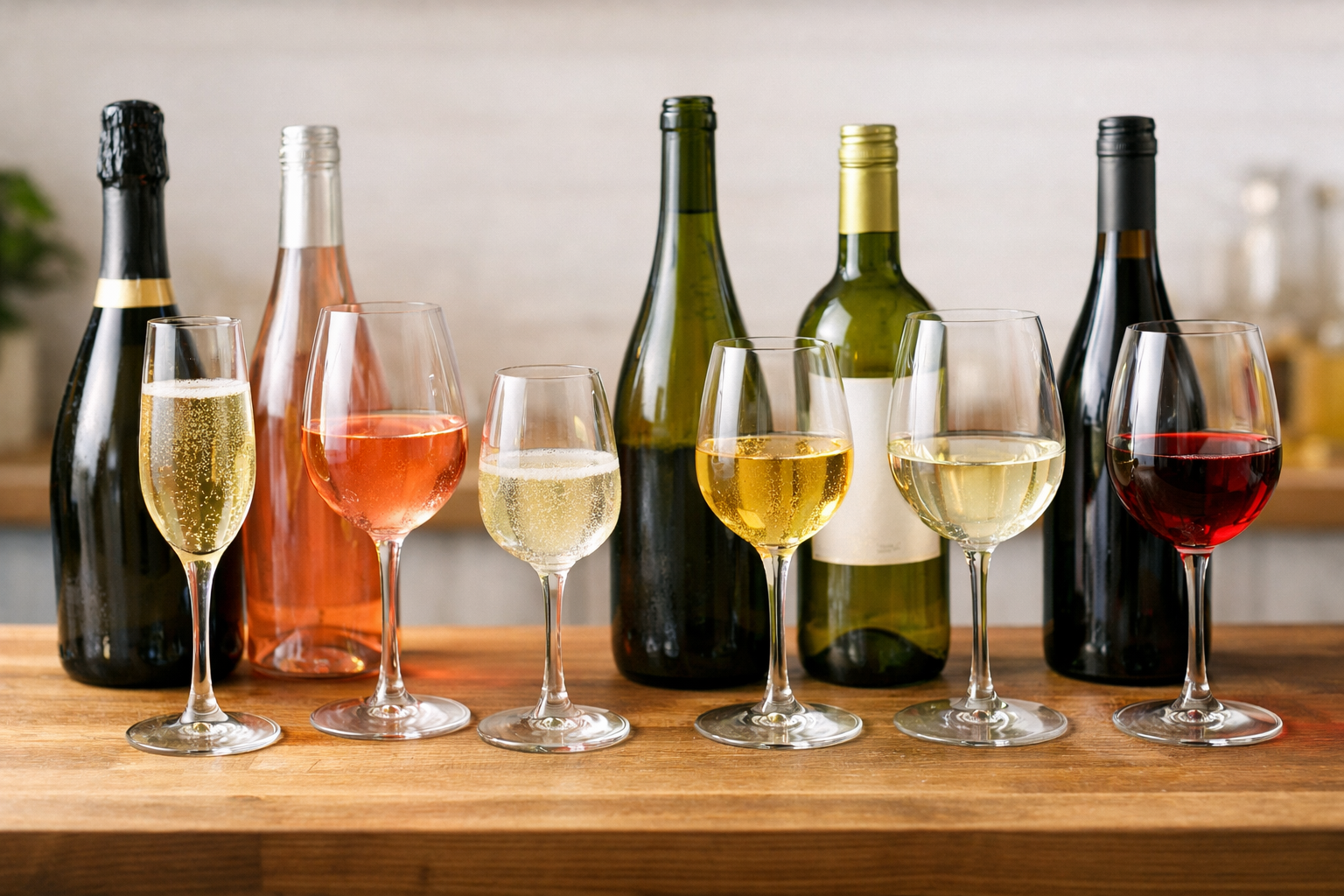
These are the six styles I would use first because each one solves a different taste problem without being hard to find. You are not looking for a magical unicorn bottle. You are looking for a lane.
Prosecco
According to the Prosecco DOC tasting guide, classic Prosecco shows floral notes, apple and pear aromas, and persistent bubbles. That profile explains why it works so often. It feels fresh, bright, and social. It is my favorite “I need this to work with almost anyone” sparkling pick.
Best for: brunch, birthdays, pre-dinner drinks, mixed groups.
Risk: if the person hates bubbles or wants something richer and toastier.
Dry rose
Dry rose is the bottle I trust most when I am shopping blind. It has enough fruit to feel friendly and enough acidity to stay crisp. It also plays well with salty snacks, summer food, takeout, picnic stuff, and random shared plates. That range is hard to beat.
Best for: girls’ night, snack boards, lunch, warm weather, blind gifting.
Risk: if the person only drinks sweet wine and reads any pink wine as dessert-like.
Moscato d’Asti
The official Moscato d’Asti profile from Visit Asti describes it as more refined, slightly sweeter, less sparkling, and lower in alcohol, with peach, apricot, citrus blossom, and a fresh finish with subtle acidity. See that combination and the use becomes obvious. It is sweet, but not flat. That little lift matters a lot. Moscato d’Asti’s low-alcohol, delicately sweet style is a genuinely smart first bottle for someone who likes softer drinks.
Best for: dessert-adjacent moments, light brunches, first-time wine drinkers, sweet palates.
Risk: if the setting is a savory dinner and you need more structure.
Off-dry Riesling
This is the sneaky smart pick. Riesling can be sweet, but good off-dry Riesling has real tension. You get fruit and softness, and you also get acidity. That means it can work with food in a way that sweeter, flatter wines often cannot. If someone says “I don’t want it too sweet, but I also hate sour wine,” this is a very good lane.
Best for: spicy food, takeout, people who want soft but not syrupy wine.
Risk: labels can be confusing if you do not know how the producer signals sweetness.
Sauvignon Blanc
New Zealand Wine notes that cooler regions drive higher acidity and crisper styles in Sauvignon Blanc, and that same page calls out seafood, shellfish, garlic, citrus sauces, salads, tomatoes, and vinegar-based dressings as strong matches. That tells you two useful things. Sauvignon Blanc is for the person who wants freshness, and it gets even better once food hits the table.
Best for: seafood, salads, patio lunches, people who say they want something “clean” or “crisp.”
Risk: if the drinker is very sweet-leaning, it can feel too sharp.
Pinot Noir
Loire Valley’s Pinot Noir profile describes the grape as light to medium-bodied with delicate tannins, lively acidity, and red-fruit notes like cherry and strawberry. That is basically the argument for Pinot as a starter red in one sentence. You still get red-wine character, but you sidestep the harder, more drying grip that throws beginners off.
Best for: chicken, mushroom dishes, charcuterie, cozy dinners, red-curious drinkers.
Risk: cheap Pinot can get thin or sour if the producer is cutting corners.
My blind-buy ranking: dry rose first, Prosecco second, Pinot Noir third if dinner is involved, Moscato d’Asti if the person openly likes sweeter drinks.
When Red Wine Makes Sense, and When It Is the Wrong First Move
Red wine is not the wrong answer for young women. It is just the category where bad guesses punish you faster.
If someone says she likes red, or wants something smoother and less acidic than many whites, red can make perfect sense. The trick is choosing a red that does not feel like chewing on a tea bag.
Pinot Noir is the cleanest first move because it stays light to medium in body and keeps tannin in check. Gamay, often sold as Beaujolais, is another smart pick. It usually shows bright fruit, low grip, and a juicy feel that lands well at parties and casual dinners.
Merlot can work too, but it is conditional. Good softer Merlot with food can be lovely. The problem is shelf variation. One bottle feels plush and plummy. The next feels woody and hot. That wobble makes it less reliable for a blind buy than Pinot Noir.
The reds I would hold back on for a first pick are young Cabernet Sauvignon, heavily oaked reds, and those jammy warm-climate bottles that creep into the mid-14s or higher on alcohol by volume. They are not bad wines. They are just louder wines. Loud is not what most people mean when they ask for something easy-drinking.
A red-wine shortcut that actually works
If the meal is roast chicken, mushrooms, charcuterie, or salmon, Pinot Noir gets safer fast. If the meal is rich beef or smoky barbecue, bigger reds start making more sense, but that is a different article and a different mood.
That is the part many listicles skip. The “best red wine for beginners” is not a fixed answer. It changes once food, heat, and tannin show up.
Match the Bottle to the Moment: Brunch, Girls’ Night, Date Night, and Dinner

Occasion changes the right pick more than people think. The same person who loves crisp Prosecco at brunch might want Pinot Noir at dinner. Wine is not just flavor. It is setting, food, temperature, and pace.
| Moment | Best bottle style | Why it works |
|---|---|---|
| Brunch | Prosecco, dry rose, Sauvignon Blanc | Light, fresh, and good with eggs, fruit, pastries, and salty bites |
| Girls’ night with snacks | Dry rose or Prosecco | Crowd-pleasing and easy across chips, cheese, dips, and gossip |
| Dinner date | Sauvignon Blanc or Pinot Noir | Both handle food better than sweeter, softer wines |
| Blind gift or mixed crowd | Dry rose | It almost never feels too heavy, too sweet, or too serious |
For brunch, I would keep it sparkling or bright. Prosecco is a natural fit, and dry rose is a little more food-flexible if there is smoked salmon, quiche, or pastry on the table. If the menu leans into seafood, these pairing notes on best wine with salmon line up nicely with the same crisp, high-acid logic that makes Sauvignon Blanc and dry rose work here.
For girls’ night, especially when the food is random and the vibe is loose, dry rose is king. Chips, charcuterie, a bowl of olives, flatbread, maybe some spicy takeout, it can handle the chaos. Prosecco runs a close second if the mood is more party than dinner.
For dinner dates, food becomes bossy. Sauvignon Blanc is great with seafood, salads, goat cheese, and citrusy sauces. Pinot Noir makes more sense with roast chicken, mushrooms, or pasta. If the table is set for baked pasta and red sauce, best wine for lasagna is the more useful lane than blindly grabbing a sweet red.
The short rule is this: the louder the food, the less you should rely on sweetness alone. Fresh wines can carry a social moment. Dinner needs shape.
Read the Label Fast: Sweetness Clues, ABV Shortcuts, and Words That Mislead
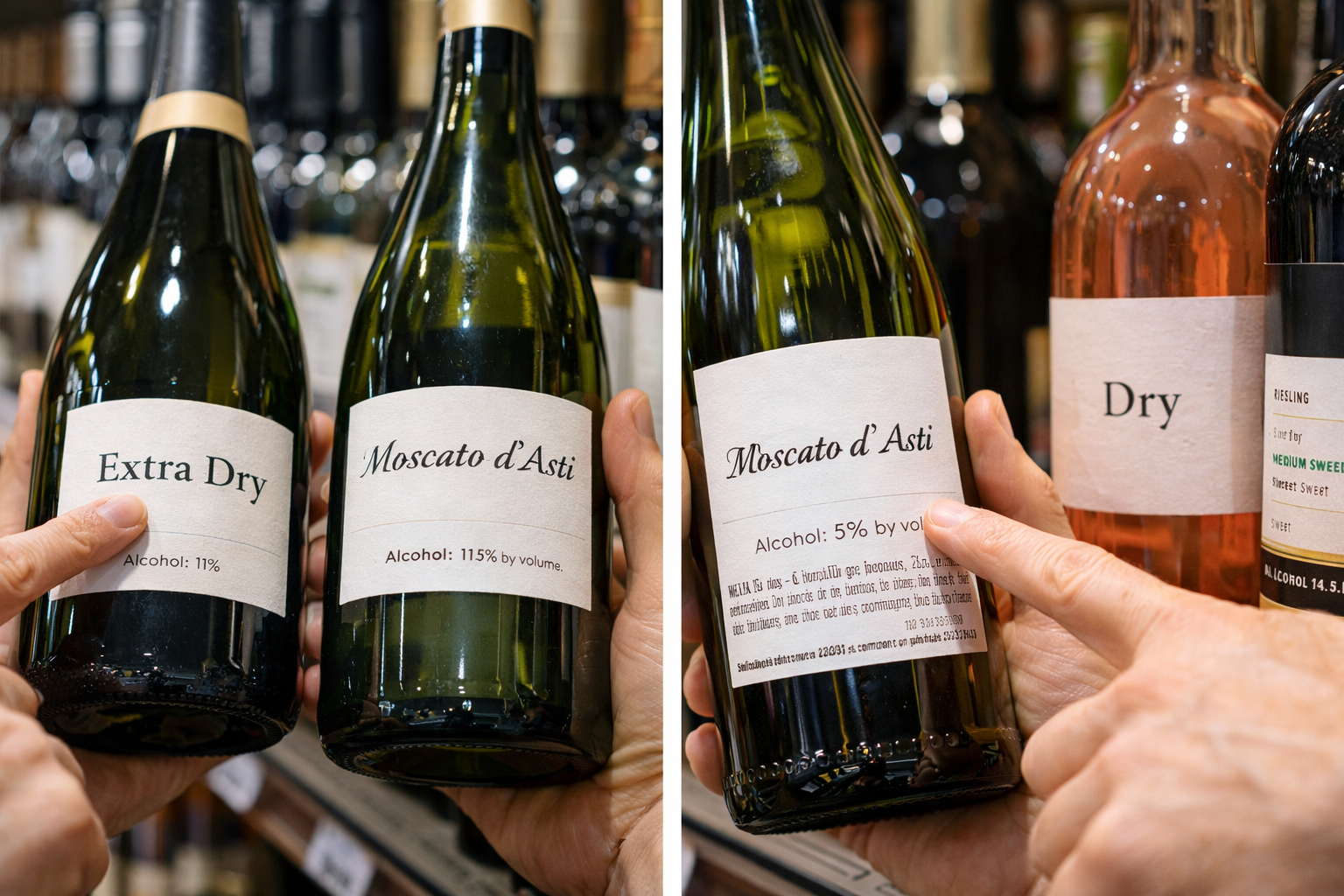
Standing in front of a wall of bottles is where vague advice dies. You need shelf clues.
Brut on sparkling wine usually means drier. Extra Dry sounds drier, but in sparkling wine it is often a bit softer and slightly sweeter than Brut. That one trips people up all the time.
Moscato d’Asti is your sweet clue. So is a lower alcohol number on that style. When you see it, you are not looking at a stern white for oysters. You are looking at a floral, lightly sparkling, lower-alcohol wine built for softness and charm.
Riesling takes more attention. Some are bone dry and laser-sharp. Some are off-dry and gently rounded. Some producers give you sweetness cues on the back label. Some do not. When in doubt, a slightly lower alcohol number can hint that there is a little sugar left in the wine, though it is not a perfect test.
Rose is the great fake-out. The color tells you almost nothing by itself. Pale rose can be dry. Deep pink rose can still be dry. You need the producer style, country, and back-label wording more than the shade.
Alcohol by volume is a useful shortcut, not a verdict. If a red is parked at 14.5% or higher, I treat it like a riskier first bottle unless I know the drinker likes bigger reds. If a Moscato sits much lower, that tracks with the softer, more delicate feel that makes it easier for new drinkers.
Fast label decoder
Brut = drier sparkling
Extra Dry = usually a touch softer than Brut
Moscato d’Asti = sweet-leaning, aromatic, low alcohol
Pinot Noir = safer red starting point than Cabernet in most blind-buy situations
This is one reason wine feels confusing at first. The words are not built for normal human intuition. Once you know the shelf clues, though, the aisle stops feeling quite so smug.
Avoid the 6 Buying Mistakes That Make Good Wine Feel Like a Bad Pick
People do not just buy the wrong wine. They buy the wrong wine for the moment. That is the part that hurts.
1. Buying the prettiest label and hoping for the best
This is how you end up with a bottle that looks breezy and drinks like a furniture store. Packaging can signal target market, but it does not tell you whether the wine is fresh, dry, tannic, or oaky.
2. Assuming pink means sweet
Some rose is sweet. A lot of good rose is not. If the drinker hates sugary wine, a dry rose can still be perfect. The color tells you very little on its own.
3. Starting with Cabernet when the goal is “easy”
Cabernet is a fine grape. It is not my first pick for someone easing into wine. Tannin, oak, and alcohol can stack up fast. Pinot Noir and Gamay are kinder first reds.
4. Ignoring oak
This one gets missed a lot. People say they want “smooth,” and then they buy a heavily oaked Chardonnay or a vanilla-bomb red. Oak can add spice, toast, and creaminess, but too much of it can feel heavy and tiring. Fresh beats flashy more often than people expect.
5. Forgetting the food
A bottle that charms on its own can fall apart beside the wrong dinner. Sauvignon Blanc with seafood makes more sense than dessert-like Moscato. Pinot Noir with chicken makes more sense than a shrill, austere white.
6. Serving it too warm
Warm wine shows alcohol harder. It can make reds feel hotter and whites feel flat. Chill whites, rose, and sparkling properly. Give lighter reds a little cool-down too. Even 15 to 20 minutes in the fridge can tidy up a bottle in a surprising way.
A quiet but useful safety note
According to the CDC’s guidance on moderate alcohol use, moderate drinking for women means one drink or less in a day, and the agency also notes that even moderate drinking may still carry risk. That matters here because “easy-drinking” should mean pleasant, not automatic overpouring.
And one more thing. Spending more does not rescue a bad style match. If a nicer bottle is on the table, that upgrade only pays off when the wine lane is right. For step-up ideas that still make sense by style, best wine for 50 dollars and best wine for 100 dollars are better next stops than prestige shopping for its own sake.
A Simple 3-Bottle Starter Lineup That Covers Almost Every Situation
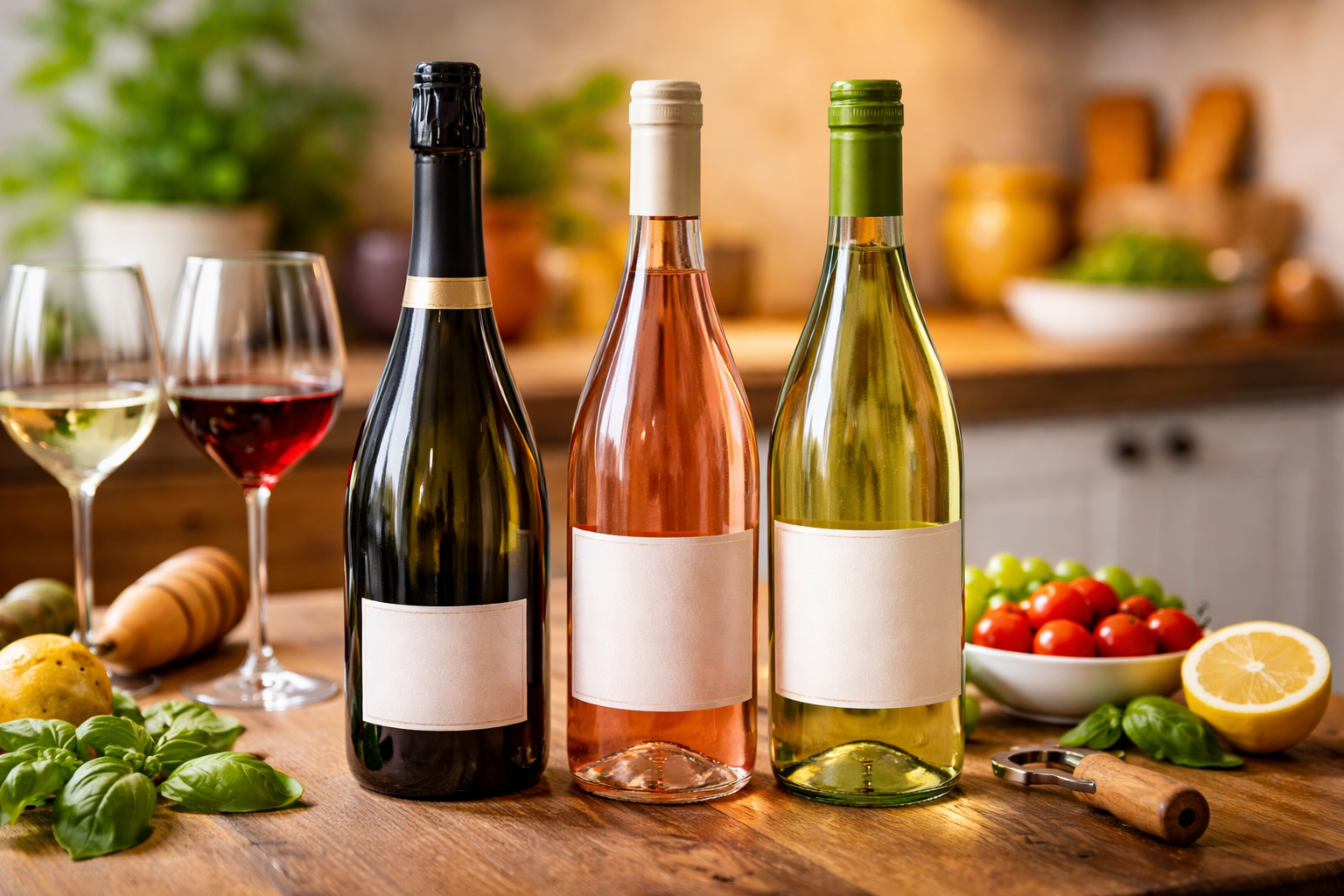
If you want to walk into a shop, make three good choices, and leave, this is the lineup I would use.
- One bottle of Prosecco for celebrations, brunch, and mixed groups.
- One bottle of dry rose for snacks, warm weather, and blind gifting.
- One bottle of Pinot Noir or Sauvignon Blanc depending on whether dinner leans red-friendly or white-friendly.
That formula is good because each bottle has a job. The sparkling bottle handles fun. The rose handles flexibility. The food bottle handles dinner.
If dinner is light, citrusy, or seafood-heavy, take Sauvignon Blanc. If it is earthy, savory, or built around chicken and mushrooms, take Pinot Noir. And if there is no dinner plan at all, just go back to the first two. They carry a lot of social occasions without fuss.
The rule worth keeping: when you do not know the person, buy freshness before power.
That is the whole game, really. A good first bottle should make the next bottle easier, not turn wine into homework.
FAQ
Is rose always sweet?
No. A lot of rose is dry. Color alone does not tell you much, so check the producer style, back label, and alcohol level before assuming it will drink sweet.
Is Prosecco sweeter than Champagne?
Sometimes it feels that way because Prosecco often leans fruitier and softer, but the real answer depends on the sweetness level on the label. Brut is usually drier than Extra Dry in sparkling wine, which is the opposite of what many buyers expect.
What wine should work best if she says she does not really like wine?
Start with Moscato d’Asti if she likes sweet drinks, or dry rose if she likes crisp cocktails and spritzes. Both are easier entry points than tannic reds or oaky whites.