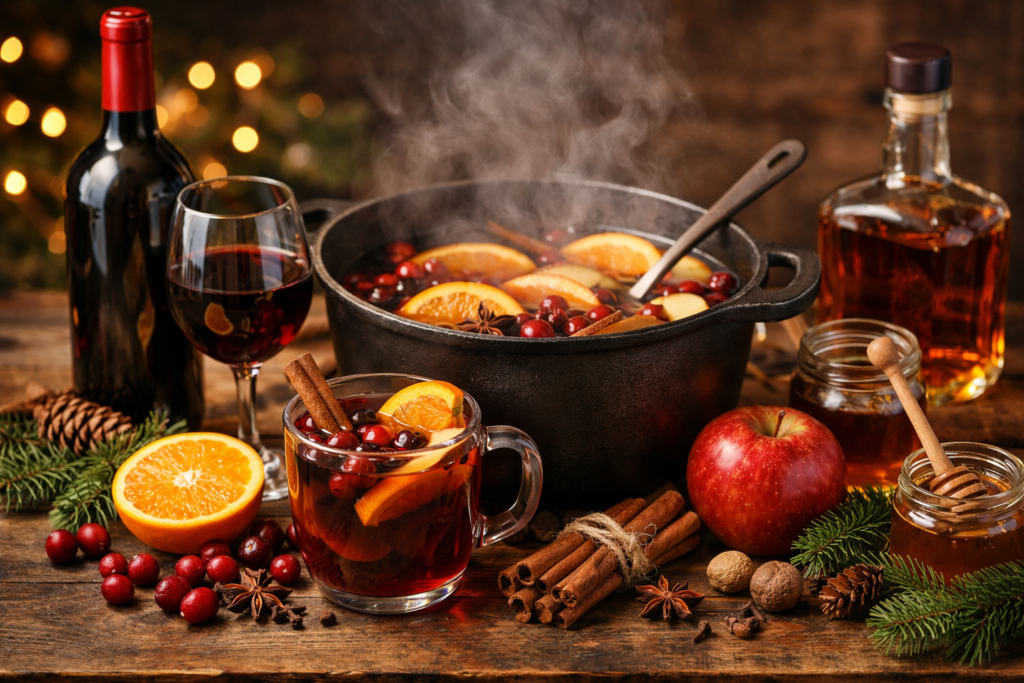
You can feel the bad bottle before you pour it. It is the one that looks “serious” on the shelf, then turns a warm pot of cider, orange, and spice into something that tastes like hot wood and clove dust.
So here is the clean answer to the best wine for wassail: for most recipes, pick a fruit-forward red that is dry or just off-dry, low to medium in tannin, and not obviously oaky. Think soft Merlot, Garnacha, young Rioja, or a gentle Pinot Noir. That answer works because wassail is not plain mulled wine. The cider, cranberry, citrus, and sugar can pull bitterness out of a stern red fast.
Historically, the drink itself has a long holiday trail behind it. Britannica notes that “wassail” comes from the Old Norse “ves heill,” meaning “be well, and in good health”. Nice bit of context, but it does not help much when you are standing in the wine aisle with oranges in one hand and a cinnamon jar rattling in the cart.
I have made the classic mistake here. A cranberry-heavy pot once got a bold Cabernet because it was open already and felt “good enough.” Wrong call. The mug smelled festive, then landed bitter, dry, and kind of barky. One softer bottle would have fixed the whole thing.
- Which wine styles are the safest for most wassail recipes
- When white wine for wassail works better than red
- How cider, cranberry, citrus, sugar, and added spirits change the pick
- Which wines make wassail bitter, flat, or too sweet
- How much to spend without wasting money
- How to warm it without knocking the wine flat
At a glance
| If your wassail looks like… | Best wine lane | Skip this |
|---|---|---|
| Classic cider + orange + spice | Merlot, Garnacha, young Rioja | Big Cabernet, heavily oaked reds |
| Cranberry-heavy and tart | Soft Merlot or juicy Garnacha | Lean, grippy reds |
| Apple-citrus and lighter spice | Dry Riesling or Pinot Grigio | Sweet white blends |
| Spirit-spiked and fuller | Young Rioja or sturdier Garnacha | Delicate Pinot Noir if spice is heavy |
Simple rule: buy soft fruit and clean structure. Let the spices and sweetener do the rest.
The Best Wine for Wassail, in One Clear Rule
The safest bottle is not the most expensive one, and it is not the biggest red in the shop. For a classic batch, you want a red that still tastes like fruit after heat, citrus peel, cinnamon, and cloves pile in. That usually means medium body, soft edges, little obvious oak, and enough freshness that the mug still tastes alive.
If you are buying blind, reach for Merlot, Garnacha, or a young Rioja before you reach for Cabernet Sauvignon. Those wines tend to play nicer with apple cider and orange. They bend. Cabernet tends to push back.
Shelf shorthand
Look for words like “young,” “unoaked,” “joven,” “fruit-forward,” or a simple regional red. Be careful with “reserve,” “barrel aged,” and bottles trying very hard to sound grand.
Price helps a little, but only to a point. In many U.S. stores, the sweet spot sits around the everyday $10 to $20 lane, give or take the shop and market. Cheaper bottles can get rough when warmed. Fancier bottles lose the subtle stuff that made them worth buying in the first place.
If all you remember is one line, make it this: the best wine for wassail is a wine you would happily drink on a Tuesday, not a bottle you feel proud to post.
Choose Red or White by the Wassail You Want to Serve
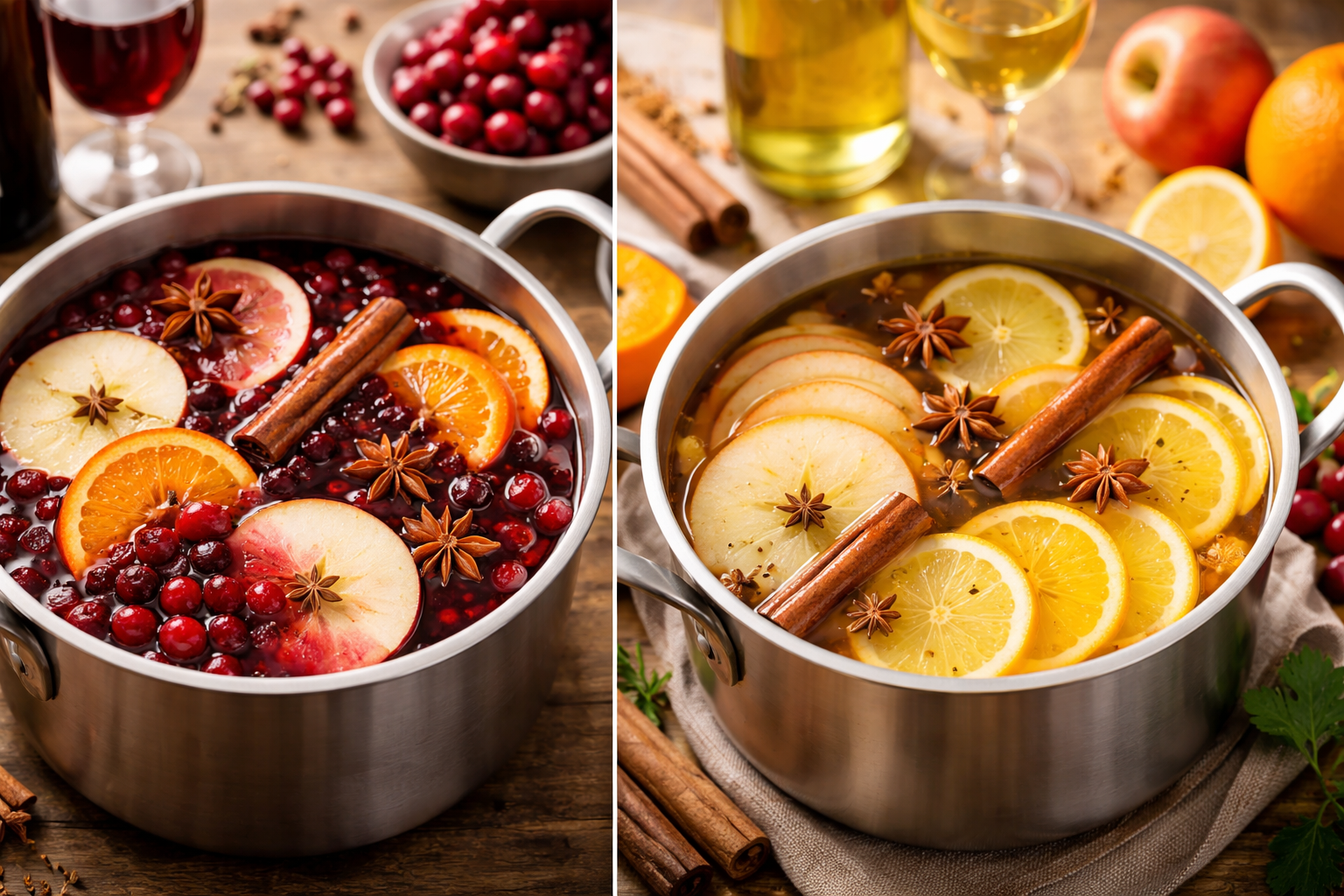
Red is still the default. It gives you the classic holiday shape most people expect from wassail: darker fruit, warmer spice, a fuller mug, and enough body to stand up to citrus peel and cider.
White wine is not a gimmick, though. It works when the pot leans more apple-citrus than cranberry-spice, and when you want the drink to feel brighter and lighter. That is where dry Riesling, Pinot Grigio, or an unoaked Chardonnay can step in.
For Riesling in particular, the logic is pretty good. In a guide from Wines of Germany, dry or off-dry Riesling is described as high in acidity and good at lifting citrus and delicate flavors. That is almost exactly why it can work in a white-wine wassail built around apple cider, orange, and gentler spice.
| Pick this lane | When it fits | Watch for |
|---|---|---|
| Red wine wassail | Classic holiday batch, cranberry, clove, stronger spice, bigger crowd appeal | Too much tannin or oak |
| White wine wassail | Apple-forward, brighter mug, lighter spice, less sugar, people who do not love heavy reds | Sweet whites that make the pot sticky |
If your recipe already runs sweet, stay dry in either lane. That is the part people miss. White wine for wassail can be lovely, but only if you do not stack sweet wine on top of cider, orange juice, brown sugar, and honey all at once. That is how a cozy drink turns gummy.
Note
If the recipe leans tart and spiced, red usually wins. If it leans apple-citrus and lighter spice, a dry white can make more sense.
The 4-Part Wine Filter That Predicts a Better Pot
This is the filter I use before buying anything for a warm batch. It is quick, and it saves you from reading label poetry for ten minutes.
1. Fruit. You want red berry, plum, cherry, or fresh black fruit. Heat and spice knock back delicate nuance, so wines that already feel open and juicy tend to survive better. Thin, stern wines do not suddenly become charming because they got warm.
2. Tannin. Tannin matters more than most people think. In its wine tasting guide, Wine & Spirit Education Trust explains that Cabernet Sauvignon often feels drying and grippy, while Pinot Noir generally has less tannin and feels softer. That same difference shows up fast in wassail. Warmth makes grippy reds feel even drier, and clove plus citrus peel can push them into bitterness.
3. Oak. Oak can be lovely in the glass, but not every oak note behaves well in a steaming mug. Toast, cedar, vanilla, leather, and dried-fruit notes can crowd the spice blend. One touch of wood is fine. A whole barrel’s worth of personality is where things get weird.
4. Sweetness. Start with dry or just off-dry wine, then sweeten the pot yourself. That gives you control. Once a wine is sweet on its own, there is no clean way to pull the mug back.
Fast buy / skip filter
- Buy: juicy fruit, soft structure, little oak, dry finish
- Skip: high tannin, heavy barrel flavor, jammy sweetness, “collector” energy
A good rule here is plain and kind of unromantic: if the wine’s main trick is power, do not heat it. If its main trick is fruit and balance, you are in business.
Match the Bottle to Your Wassail Recipe, Not Just the Keyword
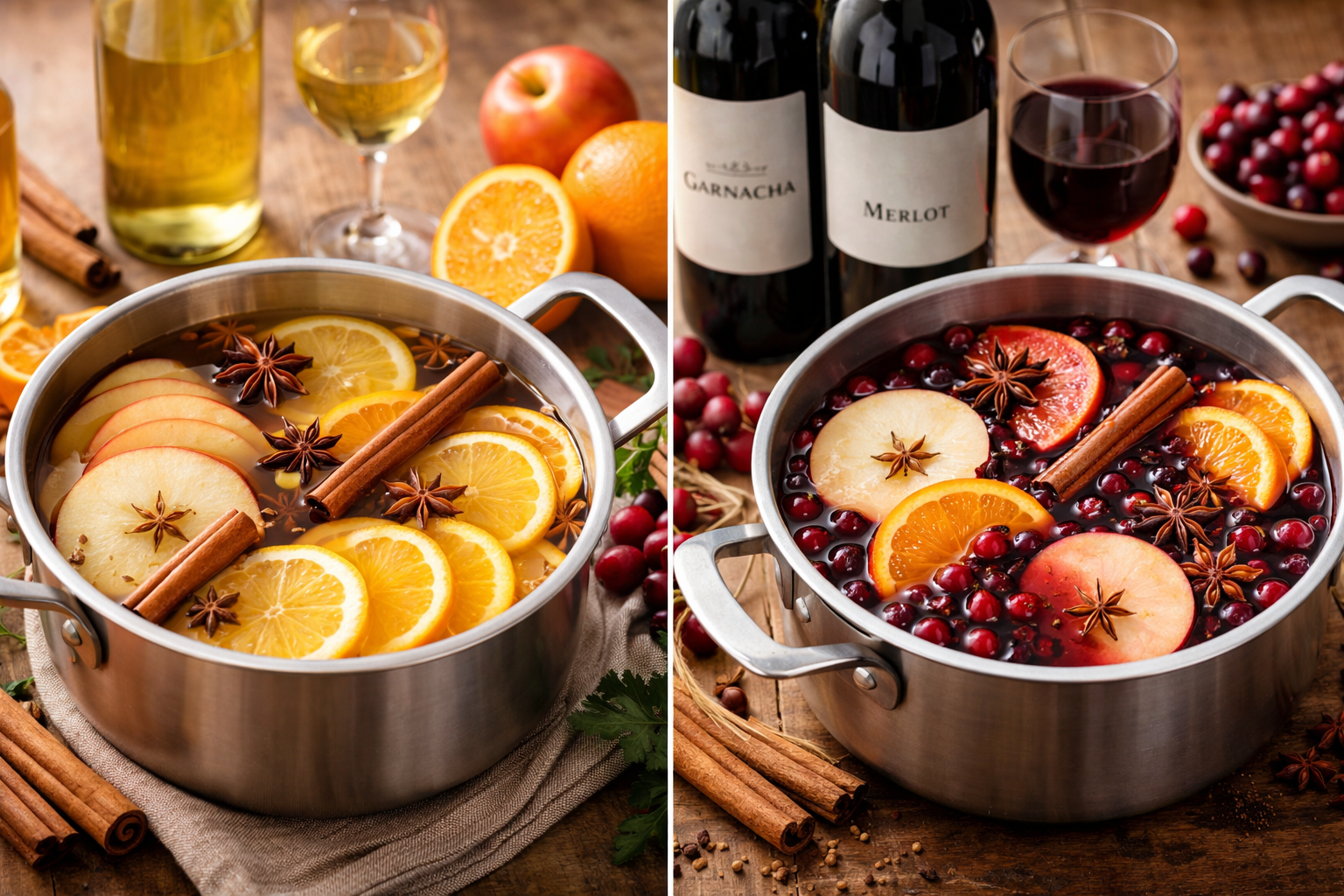
Wassail is one of those drinks where the ingredient list changes the answer. A cider-heavy pot with orange slices behaves differently from a cranberry-led batch with less sugar. So buy for the recipe, not the name of the drink.
Cider-heavy and orange-heavy batch: young Rioja, Garnacha, or a dry white work well here. The cider already brings soft sweetness and apple notes, so the wine should bring shape and fruit, not more sugar.
Cranberry-heavy batch: this is where softer reds earn their keep. Merlot and juicy Garnacha round off cranberry’s sharp edge without fighting the spice blend. I would not use a lean, grippy red here unless you like your holiday drinks with a slightly sour frown.
Already sweet recipe: pick a drier, cleaner wine than you think you need. Sugar from juice, cider, or sweetener piles up fast once the pot warms.
Spirit-spiked batch: if bourbon, brandy, or whiskey is joining the party, use a red with enough body to keep up. Young Rioja works well because it has shape without going full lumberyard. Delicate Pinot Noir can get pushed around if the spice bill is heavy.
A handy rule
More juice and more sweetener call for a drier wine. More tart fruit and less sweetener call for a softer, fruitier one.
| Recipe style | Best wine lane | Usually a bad fit |
|---|---|---|
| Classic apple-citrus | Merlot, Garnacha, young Rioja | Sweet red blends |
| Tart cranberry | Soft Merlot, juicy Garnacha | Cabernet Sauvignon |
| Apple-forward white | Dry Riesling, Pinot Grigio | Sweet white blends |
The Best Wine Styles for Wassail and What Each One Changes
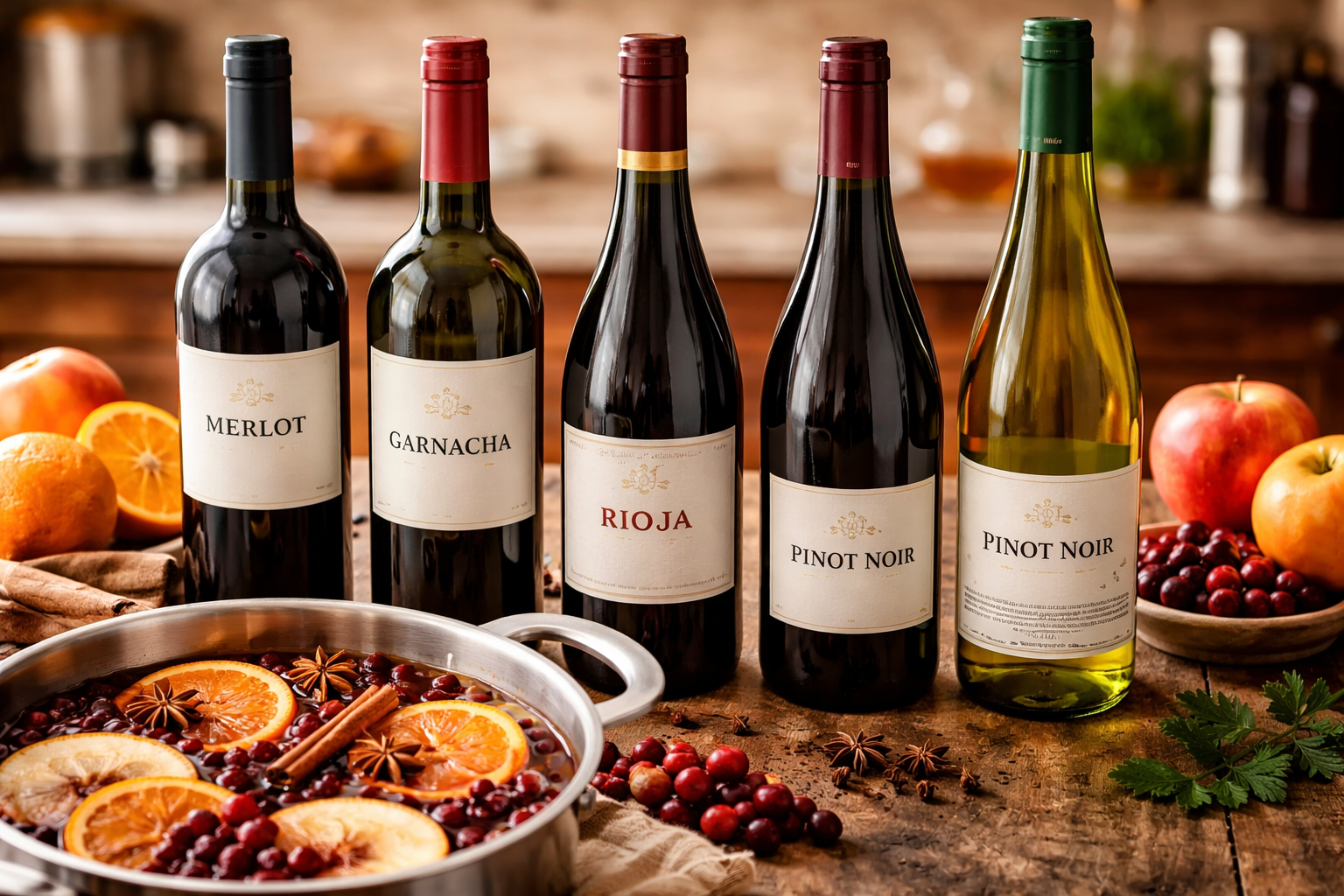
If you want the short list, here it is. These are not prestige picks. They are style picks, which is what matters more in a steaming pot. For a longer bottle-by-bottle lane, this mulled wine guide tackles the same shelf problem from a closely related angle.
| Wine style | What it adds | Best for | Watch for |
|---|---|---|---|
| Merlot | Soft plum fruit, easy shape | Crowd-pleasing classic wassail | Jammy or oaky versions |
| Garnacha / Grenache | Juicy red fruit, spice-friendly lift | Cider-heavy and cranberry batches | Very boozy versions |
| Young Rioja or Tempranillo | Drier frame, a bit more grip, good with spirits | Classic red wassail with structure | Reserva or oak-heavy versions |
| Pinot Noir | Soft red fruit and a lighter feel | Lighter spice or smaller test batches | Can disappear in a heavy recipe |
| Dry Riesling | Apple-citrus brightness and clean acidity | White-wine wassail | Anything noticeably sweet |
Merlot is probably the safest crowd pick. It usually brings enough dark fruit to hold the spice, and it rarely turns aggressive once heated.
Garnacha is the bottle I grab when I want the drink to feel juicy and open. It likes orange, cinnamon, and cranberry. Rioja helps here too. On Rioja’s own grape-variety pages, Tempranillo and Garnacha Tinta are listed among the region’s core red grapes, which is useful because younger Rioja often lands in exactly the zone wassail likes: fruit first, structure second, not too solemn.
Pinot Noir can work, but it is not the universal answer people think it is. It is better in a lighter pot than in a heavy clove-and-citrus bomb. Dry Riesling is the clean white-wine lane. It keeps the mug lifted and stops the apple side from feeling dull.
Wines That Turn Wassail Bitter, Flat, or Too Sweet
The fastest way to miss here is to buy for status instead of fit.
High-tannin reds are the main troublemakers. Big Cabernet Sauvignon, young Nebbiolo, or any red that feels drying and angular in the glass will usually feel harsher when hot. Add clove and orange peel, and you get bitterness instead of warmth.
Heavy oak is the next problem. Barrel-driven vanilla, toast, char, cedar, and dried-fruit notes can turn the mug muddy. A lightly oaked wine is fine. A wine built around oak is asking the spice mix to do too much work.
Sweet wines can also go sideways. If the recipe already has apple cider, juice, or added sweetener, a sweet bottle often pushes the whole thing past cozy and into syrup. The drink smells great, then hits the tongue like holiday jam.
Older, more complex wines are usually a waste here. Age brings subtle notes that warm spice just steamrolls. Save those for a glass where you can taste them.
Quick skip list
- Cabernet Sauvignon if the recipe is tart or clove-heavy
- Reserva-style reds when oak is obvious
- Sweet red blends in an already sweet recipe
- Buttery or heavily oaked Chardonnay for white-wine wassail
Spices do not fix a bad match. They hide nuance, yes, but they do not hide structure problems. That is a nasty little distinction, and it matters.
How Much to Spend on Wine for Wassail
You are not looking for the cheapest bottle, and you are not shopping for a trophy. Wassail likes the boring middle. That is where the good buys live.
| Price lane | What usually happens | Worth it for wassail? |
|---|---|---|
| Bottom shelf bargain | Can taste hot, thin, or oddly sweet once warmed | Only if you know the bottle already |
| Smart everyday bottle | Good fruit, enough balance, no heartbreak | Yes, this is the sweet spot |
| Splurge bottle | The fine details get buried under heat and spice | Usually no |
The everyday middle is where wassail shines. Cheap wine can go rough when heated. Expensive wine can feel wasted because the orange, clove, and cinnamon flatten the details that made it fun in the first place.
If you like buying with a few more rules in hand, these value-bottle buying rules line up well with what a warm batch needs: honest fruit, balance, and no luxury markup for details the pot is going to blur anyway.
A practical move for party batches is buying one bottle first, testing a mug, then scaling. It sounds obvious, but people skip it all the time because the recipe looks “safe.” Safe on paper is not always safe in a saucepan.
How to Warm Wassail Without Flattening the Wine
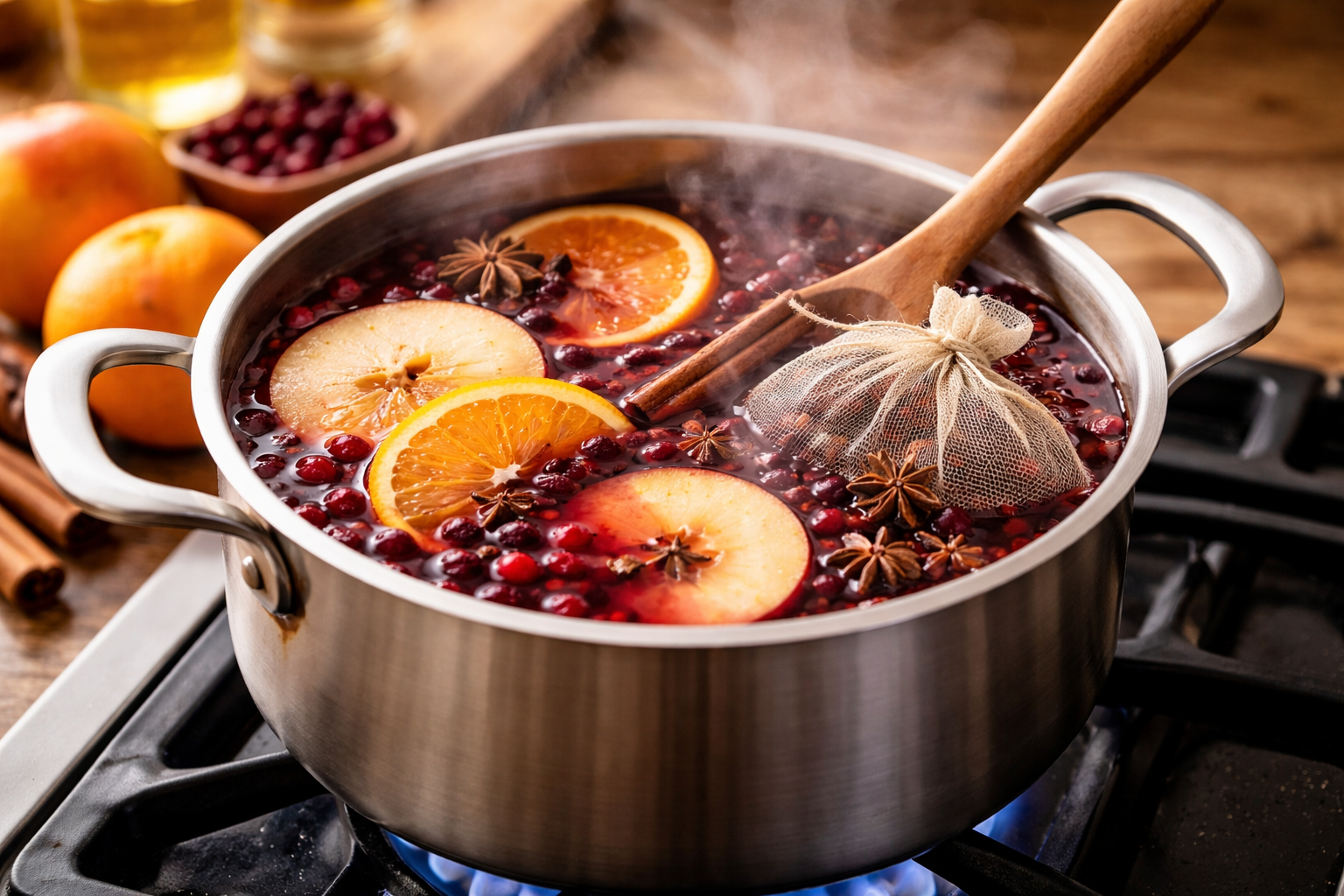
Do not boil it. That is the headline here.
Warm wassail gently on the stove or in a slow cooker on low or warm. You want it hot enough to bloom the spice and perfume the room, but not so hot that it tastes cooked. Once you see aggressive bubbling, you have gone too far.
Use a spice bag, tea infuser, or easy-to-fish-out whole spices if you can. That gives you control. Loose cloves left in the pot too long can make a batch taste medicinal in a hurry.
My favorite move is a one-cup pilot batch. It takes ten minutes and saves a whole bottle.
- Pour 1 cup of wine into a small pan.
- Add a small strip of orange peel, 1/2 cinnamon stick, and 1 or 2 cloves.
- Warm gently for 5 to 10 minutes.
- Taste, then decide if the bottle wants more sweetness, more citrus, or a softer spice hand.
Sweeten near the end, not at the start. A pot that tastes a little sharp before sugar often lands better than one you sweetened early and then kept reducing.
Remember
Warm and aromatic is the target. Bubbling away like soup is not.
One more thing. Heated does not mean alcohol-free. In the USDA’s nutrient retention tables, alcohol retention varies by cooking method and food preparation, so a simmered batch still deserves the same common-sense handling as any other alcoholic drink.
FAQ
Can I use boxed wine for wassail?
Yes, if it is a style match. A boxed Merlot, Garnacha, or simple red blend with soft fruit and low oak can work well for party-size batches. The same warning still applies: avoid very sweet, heavily oaked, or grippy reds.
Can I use leftover open wine for wassail?
Yes, if it still smells fresh and tastes clean. A bottle that has been open a day or two can be perfect for wassail. A bottle that already tastes tired, vinegary, or flat will not improve once heated.
What should I use if I want a less-sweet wassail?
Start with a dry wine, cut back the added sweetener, and lean more on citrus peel and spice for aroma. Reducing orange juice or choosing a drier cider also helps. Dry Riesling works well for a lighter, less-sweet white version.