
A lot of “healthy wine” advice starts in the wrong place. It starts with a bottle. The honest answer starts with a measuring cup, a bit of restraint, and one awkward question most articles dodge: are you already a wine drinker, or are you trying to use wine like a supplement?
If you’re looking for the best wine for the heart, the straight answer is this: if you already drink, a dry red wine is the usual first pick, and Pinot Noir is the cleanest mainstream answer. But the American Heart Association says no research has proved a direct cause-and-effect link between alcohol and better heart health, and it does not recommend drinking to gain health benefits.
That is the part people keep tripping over. The headline sounds simple. The real decision isn’t.
Here’s what this page will clear up:
- Why red wine gets the heart-health halo in the first place
- When red actually beats white, and when that barely matters
- Which red styles make the shortlist if you already drink
- What “moderate” looks like in a real glass at home
- When wine starts working against your heart goals
- Why non-alcoholic red wine is worth more attention than it gets
At a glance
| If you already drink | Lean toward a dry red, usually Pinot Noir first, and keep the pour honest. |
| If you do not drink | Do not start for heart health. That is the cleanest medical answer. |
| What matters most | Pattern beats grape. A small real pour beats a big “healthy” glass every time. |
| Smarter workaround | If the goal is the grape compounds, non-alcoholic red wine and polyphenol-rich foods make more sense than treating ethanol like medicine. |
Is red wine really the best wine for the heart?
Yes, in the narrow sense that red is the wine style most often linked with heart-health talk. No, in the broader sense that this does not make wine a heart treatment, a preventive plan, or a green light to start pouring nightly glasses because a headline sounded friendly.
The better split is simple.
If you already enjoy wine and want the lowest-regret lane, dry red is where most of the evidence chatter points. If you do not drink now, wine should not be the thing you add for the sake of your heart. That one distinction clears up most of the confusion fast.
Note: “Best” here does not mean “healthy enough to prescribe.” It means “least questionable if wine is already part of the picture.”
I think this is where people get nudged off course. They hear “red wine may help” and translate it into “red wine is good for me.” Those are not the same sentence. One is a weak signal with caveats. The other is a habit.
So yes, red wine sits at the front of the line. It just should not be mistaken for a free pass.
Why red wine gets the heart-health halo, and where that story breaks down
The red-wine halo comes from the grape skins. In Mayo Clinic’s summary of red wine and resveratrol, the main point is pretty plain: red wine contains polyphenols that may help protect blood vessels, and resveratrol comes from the skin of grapes used to make the wine.
That is the part most people know. The part they miss is right behind it.
Mayo also points out that study results on resveratrol are mixed, that it is not known how much resveratrol is needed to protect the heart, and that red and purple grape juice may offer some of the same upside without alcohol. That changes the shape of the whole discussion. It takes the topic out of miracle-territory and puts it back where it belongs: interesting, limited, and full of tradeoffs.
There are a few plausible reasons red wine keeps showing up in this conversation. Polyphenols may help the lining of blood vessels. Small amounts of alcohol have been linked in some research with changes in high-density lipoprotein cholesterol and clotting. Then the floor gets shaky. People who drink small amounts of wine often differ from non-drinkers in other ways too. They may eat differently, move more, or drink with meals instead of in bursts. Once those lifestyle pieces creep in, the bottle alone stops looking like the hero.
That is why I do not love the lazy resveratrol pitch. It makes the topic sound more settled than it is. The useful takeaway is narrower: red wine has the compounds that started this whole reputation, but the evidence is nowhere near clean enough to treat that reputation like marching orders.
Remember: the grape story is more convincing than the alcohol story. That matters later when non-alcoholic red wine enters the chat.
Red wine vs white wine: when the difference matters, and when it does not
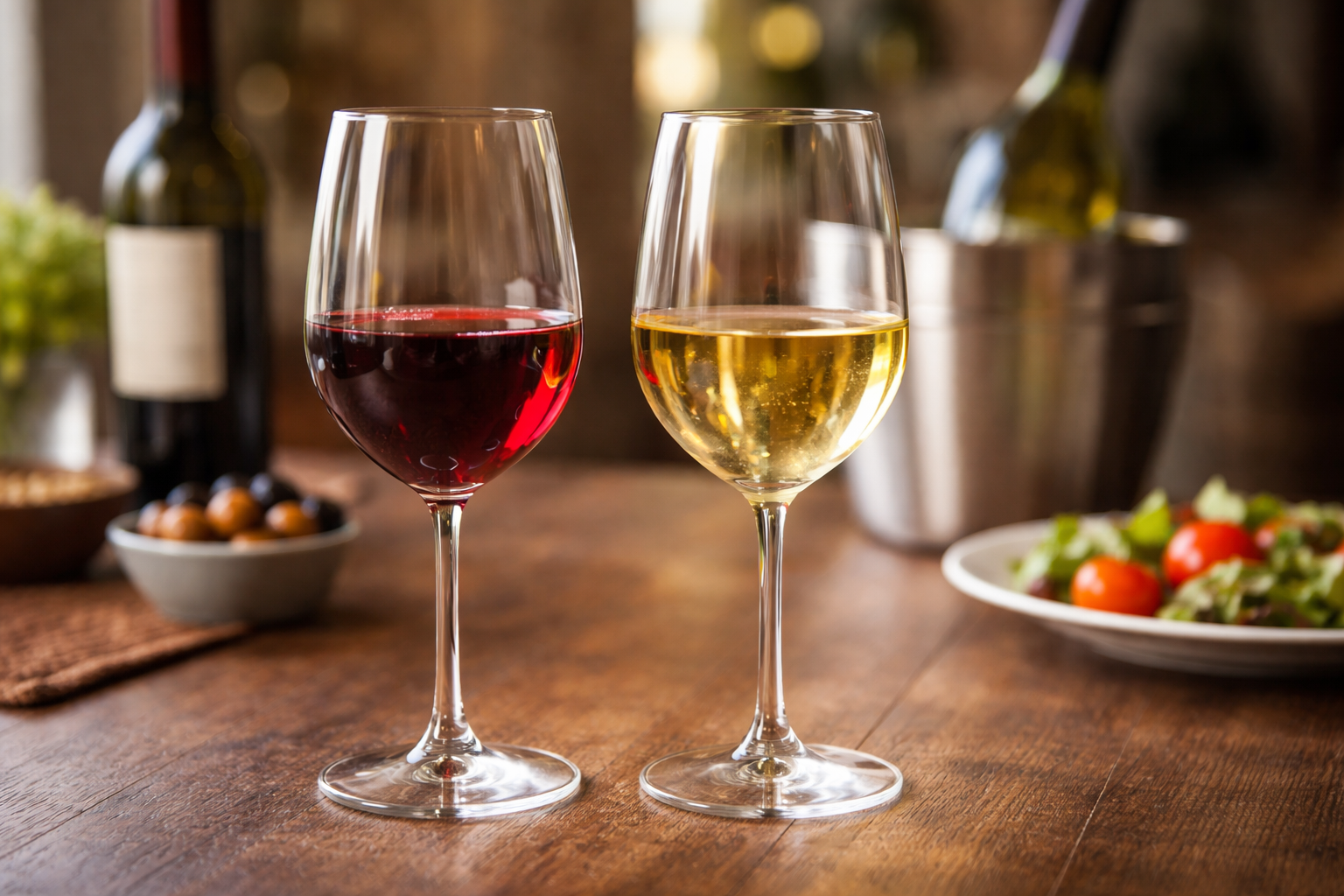
If two glasses are poured to the same size and drunk in the same way, red usually gets the edge. It spends more time in contact with grape skins, so it carries more of the compounds that gave red wine this reputation to begin with.
But this is where people start using the wrong measuring stick. They compare the color of the wine and ignore the size of the pour, the drinking pattern, the sweetness, and the fact that a “small glass” at home can drift into cartoon territory. A measured 5-ounce white with dinner is usually a smarter move than a giant red poured with a generous wrist.
That is why the red-versus-white debate matters, and also kind of doesn’t. It matters because red is the better fit for the heart-health theory. It doesn’t matter enough to rescue bad habits.
My own rule is blunt: choose red over white if the choice is easy and you already like red. Do not force yourself into a heavy red you don’t enjoy just because the internet slapped a halo on it. If white wine is what you actually drink and you keep it modest, the color difference is not the first problem to solve.
Rosé sits in the middle, by the way. It is not useless. It just does not carry the same weight in this specific conversation as dry red wine does.
Think of it like choosing the least bad lane in traffic. Red is usually the faster lane. It still doesn’t mean you should floor it.
The red wine styles that make the shortlist, and why
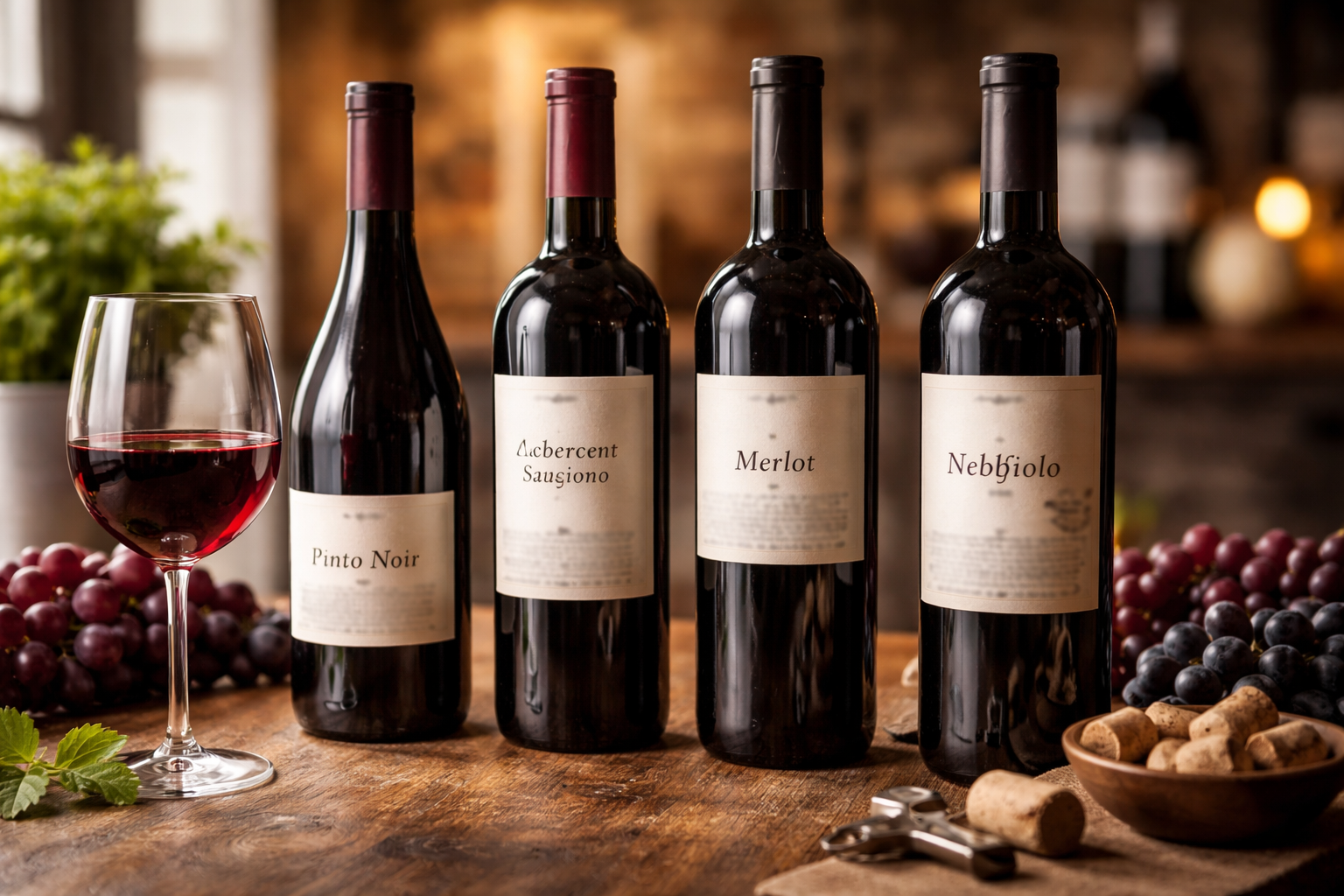
If you already drink and want the cleanest shortlist, do not shop like you’re buying a trophy. Shop like you’re trying to avoid the loudest mistakes. That means dry before sweet, restrained before jammy, and moderate alcohol before heat-in-a-glass.
| Style | Why it makes the shortlist | Watch for | Best fit |
|---|---|---|---|
| Pinot Noir | Usually the cleanest mainstream answer. Lighter body, usually dry, and it comes up again and again in heart-health explainers. | Avoid very ripe, high-alcohol bottlings that drift into sweet-feeling jam. | People who want the least fussy first pick. |
| Cabernet Sauvignon | Often mentioned because darker, thicker-skinned grapes carry more polyphenol talk. | Many bottles run hot, heavy, and bigger than you need for this purpose. | People who already love cabernet and can keep the pour small. |
| Merlot | A softer, easier dry red that often lands better for casual drinkers than firmer tannic styles. | Some examples turn plush and sweet-leaning fast. | People who want a gentler red without much bite. |
| Nebbiolo | Shows up in “healthy red” lists because of its polyphenol reputation. | It can be tannic, stern, and more expensive than this article really needs. | Curious wine drinkers, not beginners looking for an easy nightly glass. |
If I had to give one store-shelf rule, it would be this: start with Pinot Noir, then look at the label and dodge the obvious boozy lane. When labels give you a choice, I like the 12% to 13.5% alcohol-by-volume area better than the puffed-up end of the shelf. That is not a medical threshold. It is just a practical way to stay out of the “this tastes like blackberry jam and warm furniture polish” zone.
Sweet reds do not belong near the top of this list. They drag the discussion away from the polyphenol angle and add extra sugar without buying much trust. Dry or very dry red wine is the cleaner lane.
Small opinion: “Healthy wine” branding is usually more marketing than help. A normal dry red from a sane producer beats a hyped bottle with halo language on the label.
How much is moderate when you pour at home?
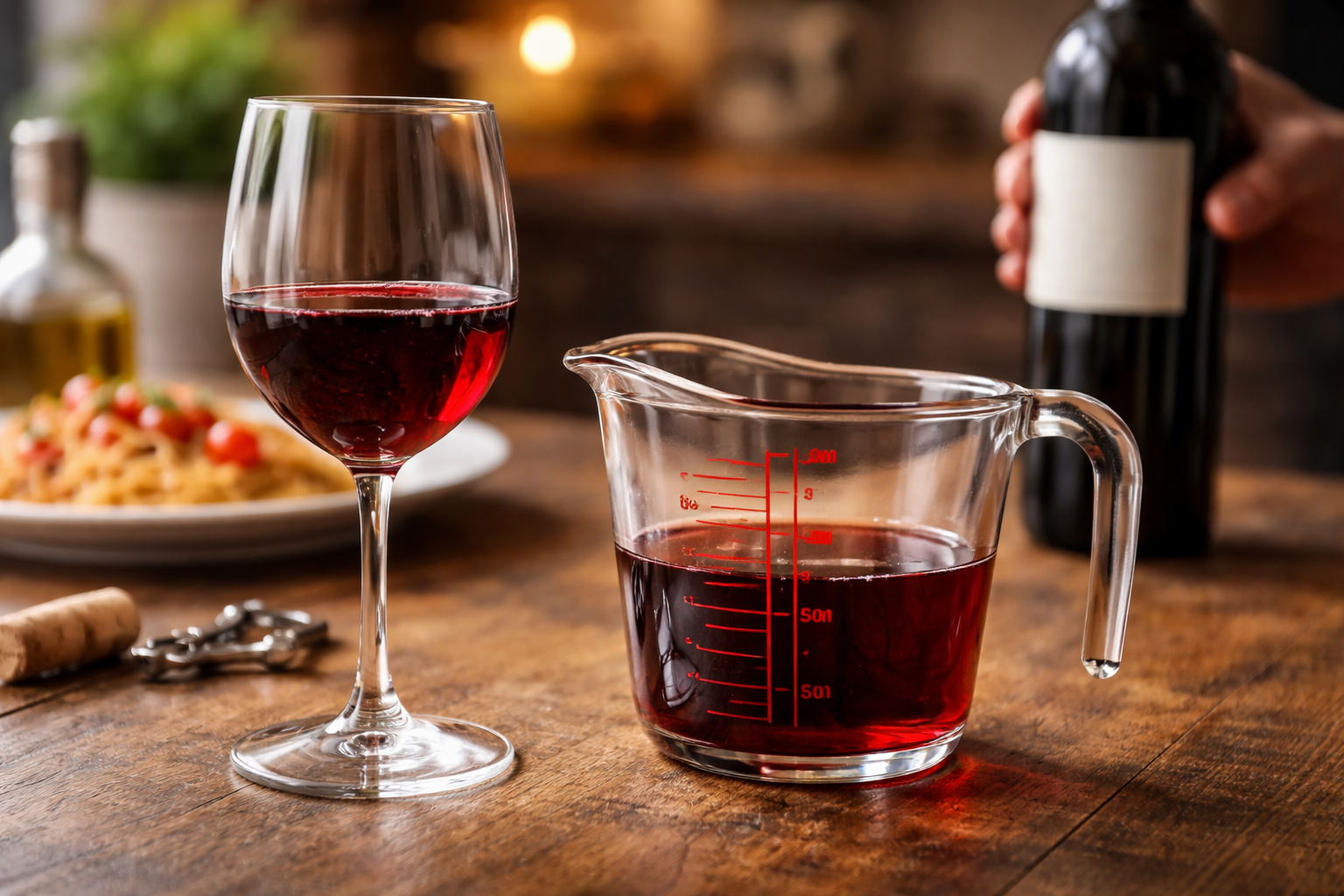
This is where the whole topic gets real fast. According to the National Institute on Alcohol Abuse and Alcoholism, a standard drink of table wine in the United States is 5 ounces. Not a filled Burgundy bowl. Not the glass line you “usually eyeball.” Five ounces.
I’ve watched people pour what they call one glass into a big stem and land closer to eight or nine ounces without meaning to. That single habit can swallow the whole moderation argument in one tilt of the wrist.
If you already drink wine and want the narrowest lower-risk lane, use this rule:
- Measure one real 5-ounce pour for a week
- Keep it with food if possible, mostly because it slows the tempo
- Do not treat a skipped night as permission to stack drinks the next night
- Do not let “red wine for heart health” turn into a nightly oversized ritual
Having wine with a meal can help people pace themselves. It also tends to keep the glass from drifting into “just topping it off.” That is a behavior win, not a medical trick.
Quick pour test: pour your normal glass, then dump it into a measuring cup. Most people learn something a little painful from this.
And once the pour gets big, the calorie side of the story gets big too. A guide on wine styles that carry more calories is useful if a “healthy” glass starts acting more like a quiet dessert.
When wine works against your heart goals
This section matters more than another varietal list.
If you have high blood pressure already, the cheerful “red wine is good for the heart” line starts to wobble. The heart statement cited earlier notes that even moderate alcohol can worsen high blood pressure in people who already have it. That is not a side note. It is the kind of detail that changes what you do tonight.
Then there is the broader risk picture. The World Health Organization says there is no safe level of alcohol consumption in relation to cancer risk. That does not mean one sip is doom. It does mean the article cannot pretend wine is a clean health food with one or two annoying footnotes.
Wine also stops looking clever pretty quickly if any of these are in play:
- Uncontrolled high blood pressure
- Irregular heart rhythm or a history of atrial fibrillation
- Liver disease
- Pregnancy
- A personal or strong family history of alcohol misuse
- Medicines that do not mix well with alcohol
- Stomach irritation or an active ulcer
If the stomach side is part of the picture, this guide on whether wine is a bad bet with ulcers gets blunt fast, which is probably the right tone for that problem.
There is another mistake I see all the time. People think “moderate” wipes the slate clean. It doesn’t. Moderate is just the least messy lane for people who already drink. It is not a force field.
Why non-alcoholic red wine deserves a harder look
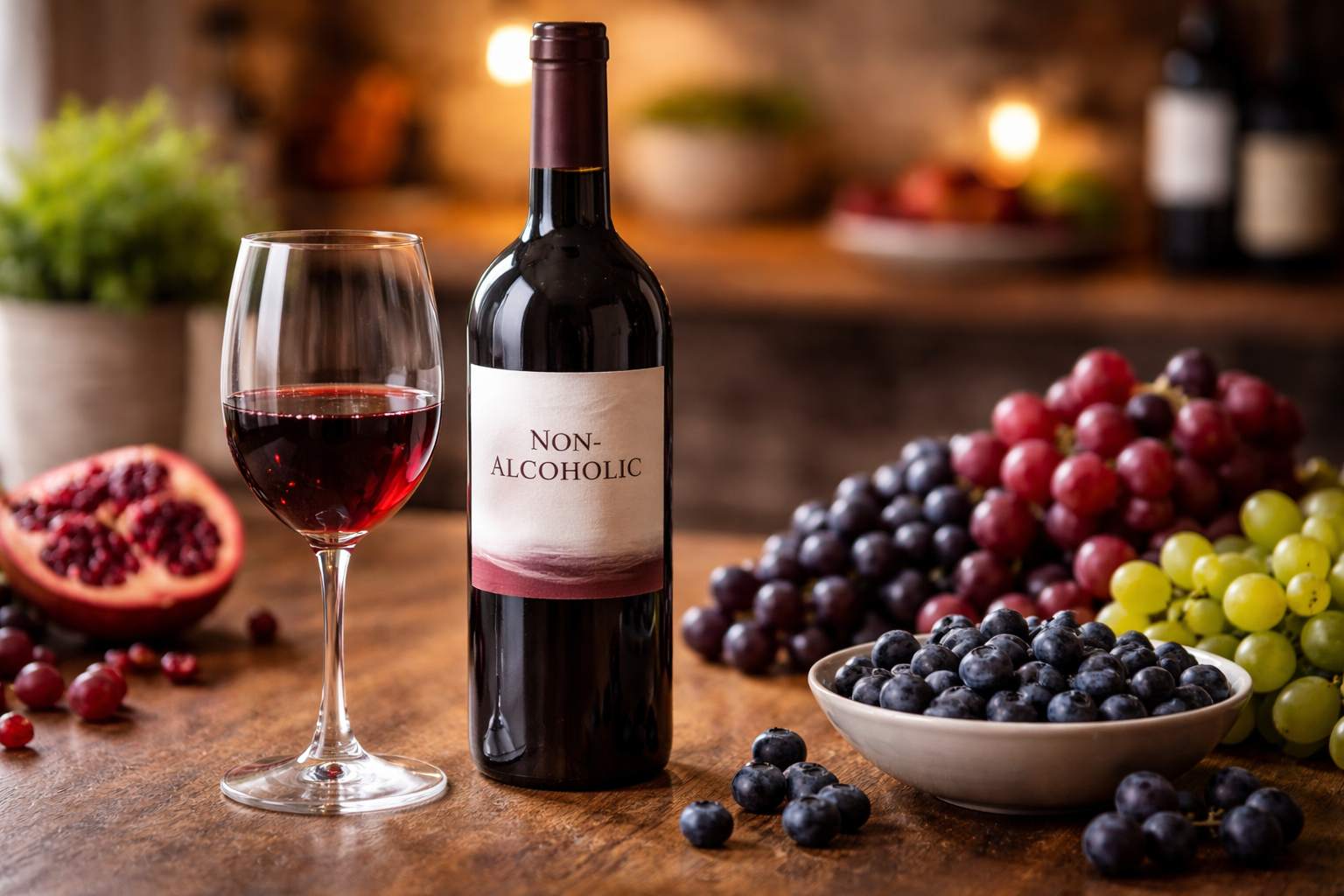
This is the most underused part of the conversation.
In a randomized crossover trial in 67 men at high cardiovascular risk, dealcoholized red wine lowered systolic and diastolic blood pressure and increased plasma nitric oxide. The alcoholic red wine arm did not get the same blood-pressure result. That one finding does not settle the whole field, but it does something more useful than a lot of vague resveratrol chatter: it gives you a practical alternative.
If the reason you are interested in wine is the grape compounds, not the buzz, non-alcoholic red wine deserves a very serious look. So do red and purple grapes, blueberries, and other polyphenol-rich foods. That is where the article gets more honest. You can keep more of the grape logic and drop the part that keeps causing trouble.
I like this section because it fixes a false choice. A lot of people think the choice is “drink red wine” or “give up on the whole idea.” Not quite. There is a third lane that is often cleaner: keep the grape story, lose the ethanol.
Note: non-alcoholic red wine is not magic either. It is just a much more logical experiment for someone whose main goal is blood pressure or risk reduction.
A simple rule for deciding whether wine belongs in your routine
If you want the shortest usable rule, here it is.
The 3-part decision rule
- If you do not drink now, do not start for heart health. The evidence is too mixed and the downside is too real.
- If you already drink, keep it small and boring. A real 5-ounce pour, usually with food, and a dry red like Pinot Noir is the neatest lane.
- If the goal is blood pressure or lower overall risk, look harder at non-alcoholic red wine or grape-based foods. That route makes more sense than trying to make alcohol act like a supplement.
That is the most honest answer to the best wine for the heart. Not the sexiest answer, sure. But the useful one.
Choose lifestyle first. Choose the bottle second. And if wine is already on the table, keep the pour smaller than your instincts want it to be. That one move does more work than another round of resveratrol lore.
FAQ
Is Pinot Noir really the healthiest red wine?
It is the cleanest mainstream first pick, not a proven champion. Pinot Noir shows up often because it is usually dry, not too heavy, and widely associated with the red-wine polyphenol story. That still does not make it medicine.
Is one glass of wine every night okay?
Only if “one glass” is a real standard pour and your health picture does not make alcohol a bad fit. For many people, the bigger issue is not frequency by itself. It is that the home pour quietly doubles.
Can grapes or grape juice replace wine for heart-health purposes?
They can replace the grape-compound part of the story, which is often the more convincing part anyway. They do not mimic wine perfectly, but they avoid the alcohol tradeoff that creates most of the friction in this topic.