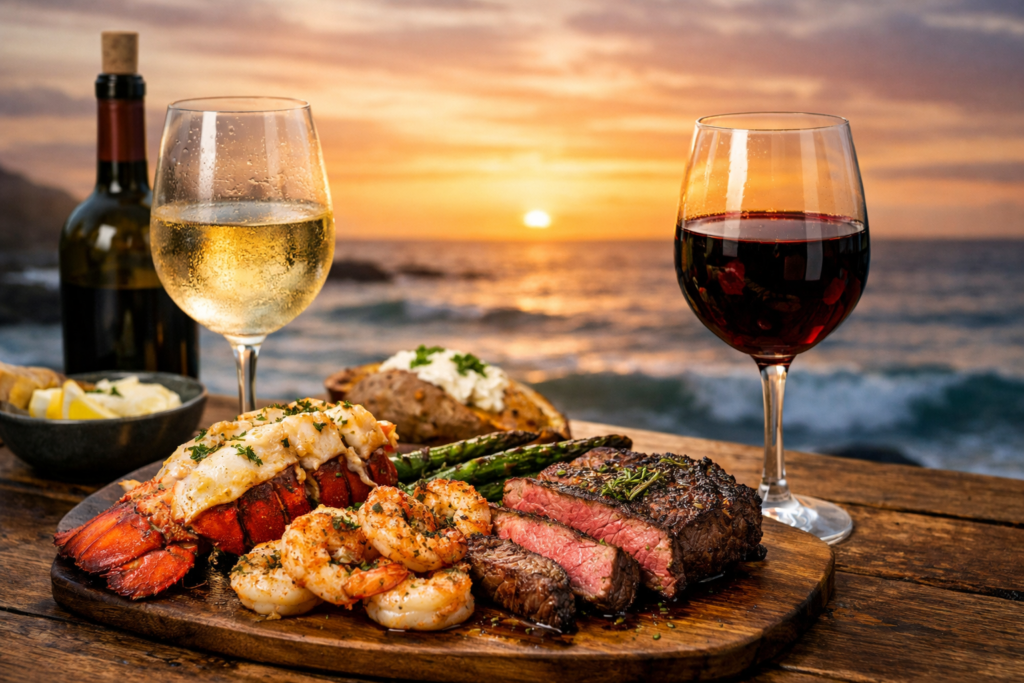
You can feel the trap before the cork is out. Steak wants structure. Lobster wants finesse. Shrimp with garlic butter pulls one way, ribeye with peppercorn pulls the other, and one wrong bottle can make half the plate feel flat.
If you want the best wine for surf and turf, start with Pinot Noir if you want red, Brut Champagne or Blanc de Noirs if you want the smartest one-bottle answer, and a balanced Chardonnay if the plate leans lean steak plus buttery lobster. Those three lanes keep showing up for a reason: they bring enough shape for the beef and enough freshness, texture, or restraint for the seafood.
The catch is that “surf and turf” is not one dinner. Filet mignon and butter-poached lobster is easy. Ribeye and spicy shrimp is not. I’ve watched good bottles go sideways here, usually because someone paired to the steak label and forgot the rest of the plate.
At a glance: pick the bottle by the whole plate, not the headline protein
| If your plate looks like this | Best wine lane | Why it works |
|---|---|---|
| Filet mignon + lobster with drawn butter | Balanced Chardonnay | Enough body for the steak, enough richness for the butter, not too heavy for the lobster |
| Filet or strip + grilled shrimp | Pinot Noir | Low-to-moderate tannin keeps the seafood alive while still fitting the beef |
| Mixed platter or unclear prep | Brut Champagne or Blanc de Noirs | Acidity and bubbles reset the palate and bridge both sides of the plate |
| Warm-weather dinner, lighter sauces | Dry rose | Fresh enough for seafood, enough fruit and grip for leaner steak |
| Fatty ribeye + delicate shellfish | Two bottles | That plate is pulling in opposite directions, so forcing one compromise gets clumsy fast |
You’ll see the same pattern through the whole article: cut, seafood, and sauce make the call.
- The fastest one-bottle answer for steak and lobster
- Which wine style fits which version of surf and turf
- Why filet is easier than ribeye for crossover pairings
- How butter, lemon, garlic, and spice can change the bottle
- Which pairings usually miss and why they miss
Best Wine for Surf and Turf, in One Clear Answer
The clean answer is this: Pinot Noir is the safest red-led choice, Brut Champagne or Blanc de Noirs is the most reliable all-rounder, and balanced Chardonnay is the best white-led choice when the seafood side leans buttery and the steak is on the leaner side.
That is not wine-snob fence-sitting. It is a practical shortlist.
When Wine Enthusiast quoted Ocean Prime beverage director Josh Dunson, he pointed to warm-climate Chardonnay for flavorful red meat and sweet lobster, and to Pinot Noir because it has enough tannin for red meat without overpowering lobster. That tracks with what usually lands best at home too. The winners are rarely the loudest bottles on the table.
If you want one sentence you can actually use in a restaurant, use this one: pick Pinot Noir for a red, sparkling for the safest compromise, and Chardonnay when the butter is doing a lot of work.
Quick call: If you do not know the exact prep, order sparkling. It covers more ground than people think, and it rarely bullies the seafood.
There are other good lanes. Dry rose can work. Softer Merlot can work. A white Burgundy-style Chardonnay can look very smart with steak and lobster. But the three styles above are the short list that keeps saving dinner.
Why Surf and Turf Is Hard to Pair, and the Rule That Fixes It
Surf and turf gets awkward because you are pairing one bottle with two different jobs. Beef usually likes more body, more tannin, and more savory grip. Seafood, especially lobster, shrimp, scallops, or crab, usually likes freshness, lift, and less aggression.
The simplest fix is not “red with steak, white with seafood.” It is cut + seafood + sauce = bottle.
That little rule works because the mechanics are real. WSET’s pairing guide explains that salt, acidity, and fat can soften tannin, which is why steak can make a red feel rounder and friendlier. At the same time, Wine Folly’s pairing basics advise matching the wine to the sauce rather than the protein. Put those two ideas together and the plate gets a lot easier to read.
So here is the move.
If the steak is lean and the seafood is rich with butter, Chardonnay or sparkling can win. If the steak has more fat and char and the seafood is grilled or lightly sauced, Pinot Noir gets much stronger. If the sauce is lemony, garlicky, or spicy, the bottle needs more freshness and less oak. That is the whole game.
I think this is where many pairing guides get a bit sleepy. They tell you the grape. They do not tell you what changes the grape. And that is the part that saves you money.
Pinot Noir, Chardonnay, Champagne, Dry Rosé, or Merlot?
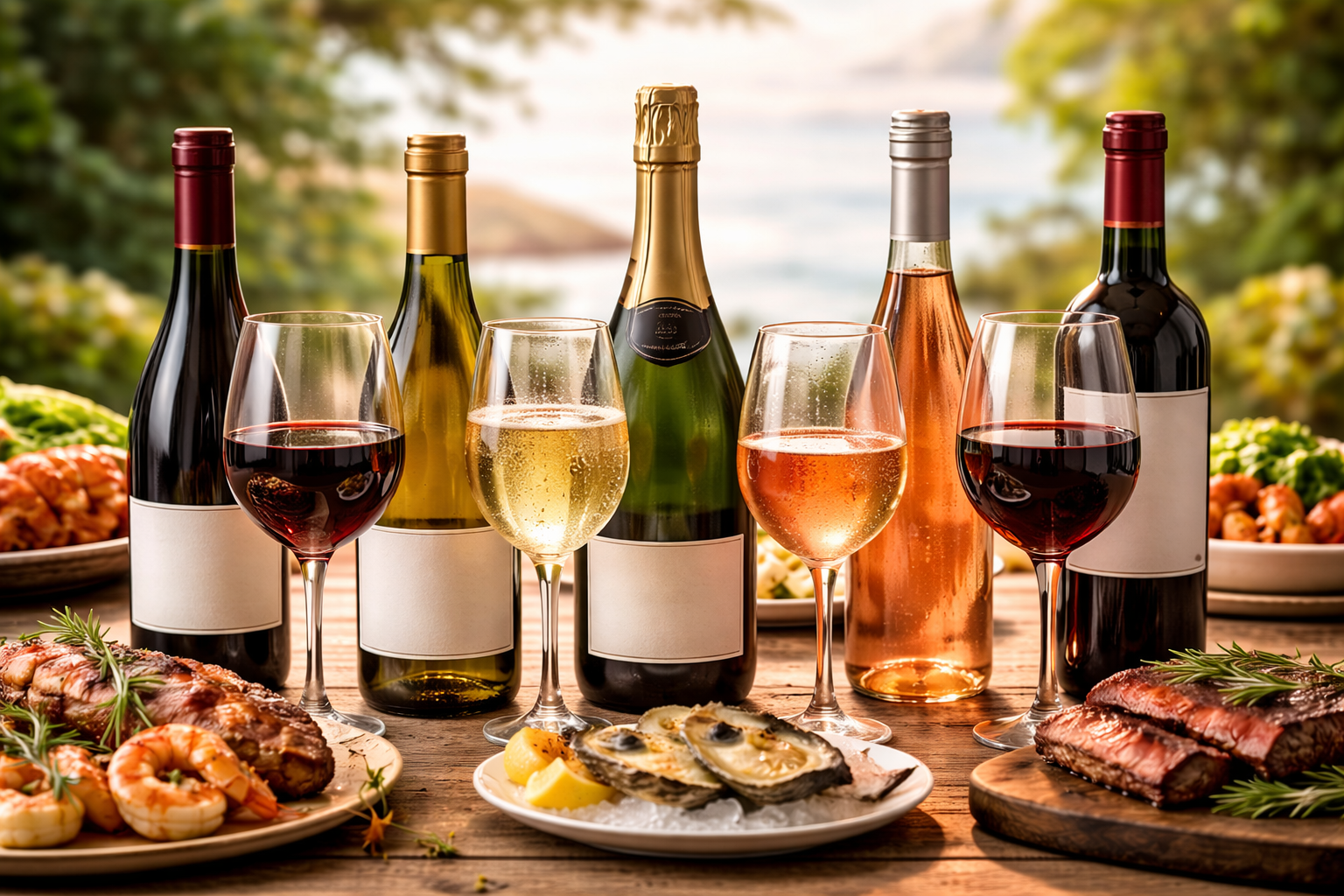
These are the five most useful styles for surf and turf. Not the only ones. Just the ones that solve the most dinners without getting weird.
| Style | Best for | Where it can miss |
|---|---|---|
| Pinot Noir | Lean steak, grilled shrimp, lobster without a heavy cream sauce, red-wine drinkers | Very fatty ribeye or heavy peppercorn sauce can make a delicate Pinot feel small |
| Balanced Chardonnay | Filet and lobster with drawn butter, richer shellfish, creamier sides | Too much oak can swamp simple shellfish and turn clumsy beside lemon |
| Brut Champagne or Blanc de Noirs | Mixed plates, celebration dinners, unclear prep, strong one-bottle safety | A very bold steak and a heavy sauce can make it feel a touch too polite |
| Dry rose | Warm-weather dinners, grilled shrimp, lighter cuts, lighter sauces | Big ribeye energy can run right past it |
| Merlot | Readers who want a softer red than Cabernet, especially with filet or strip | Can get soft and dull if the seafood side is very delicate or lemon-driven |
Pinot Noir is the safest red because it usually sits in the sweet spot: enough body for beef, enough acidity for the plate, and gentler tannin than Cabernet or Syrah. That low-to-moderate tannin level matters. Wine Folly notes that softer reds are the better bet with seafood, which is why Pinot keeps showing up in steak-and-lobster pairings.
Chardonnay is the best white lane when the seafood side is lush. Lobster, butter, cream, and even a tender filet can make a good Chardonnay feel stitched-in rather than forced. The trick is balance. You want texture and body, not a vanilla hammer.
Brut Champagne or Blanc de Noirs is the bottle I would bring if someone texted “surf and turf” and gave me no other details. The bubbles clear fat, the acidity wakes up butter, and the wine still feels like an occasion. That is a pretty strong hand.
Dry rose is underrated here. On a summer grill night with steak skewers and shrimp, it can be exactly right. Not grand, not flashy, just right.
Merlot is the quiet backup when Pinot Noir is unavailable or too lean for the steak you ordered. Choose a fresher, medium-bodied Merlot, not a jammy, high-octane one.
Remember: “Best red wine for steak and lobster” is often really shorthand for “best soft red that will not mug the lobster.” That is why Pinot Noir keeps winning.
Let the Steak Cut Make the First Call
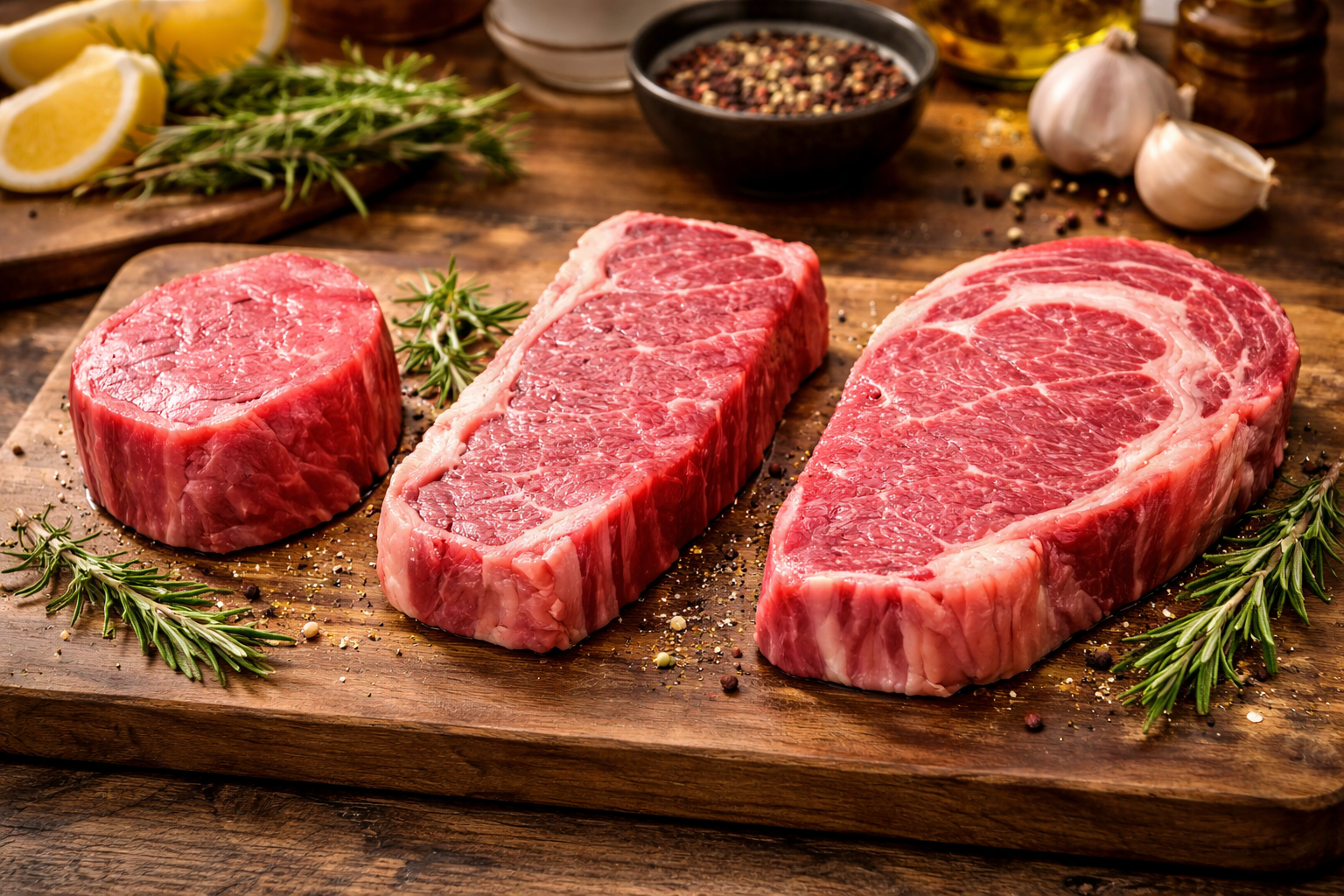
Not all steak creates the same pairing problem. This matters more than most roundups let on.
Filet mignon is easy. It is lean, tender, and not wildly assertive, so it plays nicely with Pinot Noir, Chardonnay, sparkling wine, and softer Merlot. If you are ordering steak and lobster in a restaurant and want the broadest wine options, filet is the cut that keeps the door open.
Strip steak sits in the middle. It has more chew and savory depth than filet, but it still does not bully the seafood side. Pinot Noir, Blanc de Noirs, and some fresher Merlots can all work.
Ribeye is where people get cocky. The fat invites a bigger red, and on steak alone that instinct is fair. But add lobster or shrimp and the same bottle can suddenly feel too tannic, too hot, or just plain loud. The steak may improve the red, but the seafood does not always forgive it.
So use simple if/then rules:
- If the steak is filet or sirloin, Pinot Noir, Chardonnay, sparkling, and dry rose all stay in play.
- If the steak is strip, lean toward Pinot Noir, Blanc de Noirs, or Merlot before you jump to bigger reds.
- If the steak is ribeye, sparkling becomes smarter and two bottles become more realistic.
- If the steak has a peppercorn crust or heavy char, the wine needs a bit more grip, so Pinot Noir with some backbone or a fresher Merlot makes more sense than a delicate white.
The food science lines up with this. Fat and salt can make tannin feel softer, which is why steak flatters red wine so well. But that does not cancel the seafood. It just means the steak half of the plate can tolerate more structure than the shellfish half.
That is why “red or white wine for surf and turf?” is a little too blunt. Filet and lobster can be a Chardonnay dinner. Ribeye and shrimp might be a Pinot dinner. Ribeye and butter-poached lobster may be a two-bottle dinner, no shame in that.
Let the Seafood and Sauce Make the Final Call
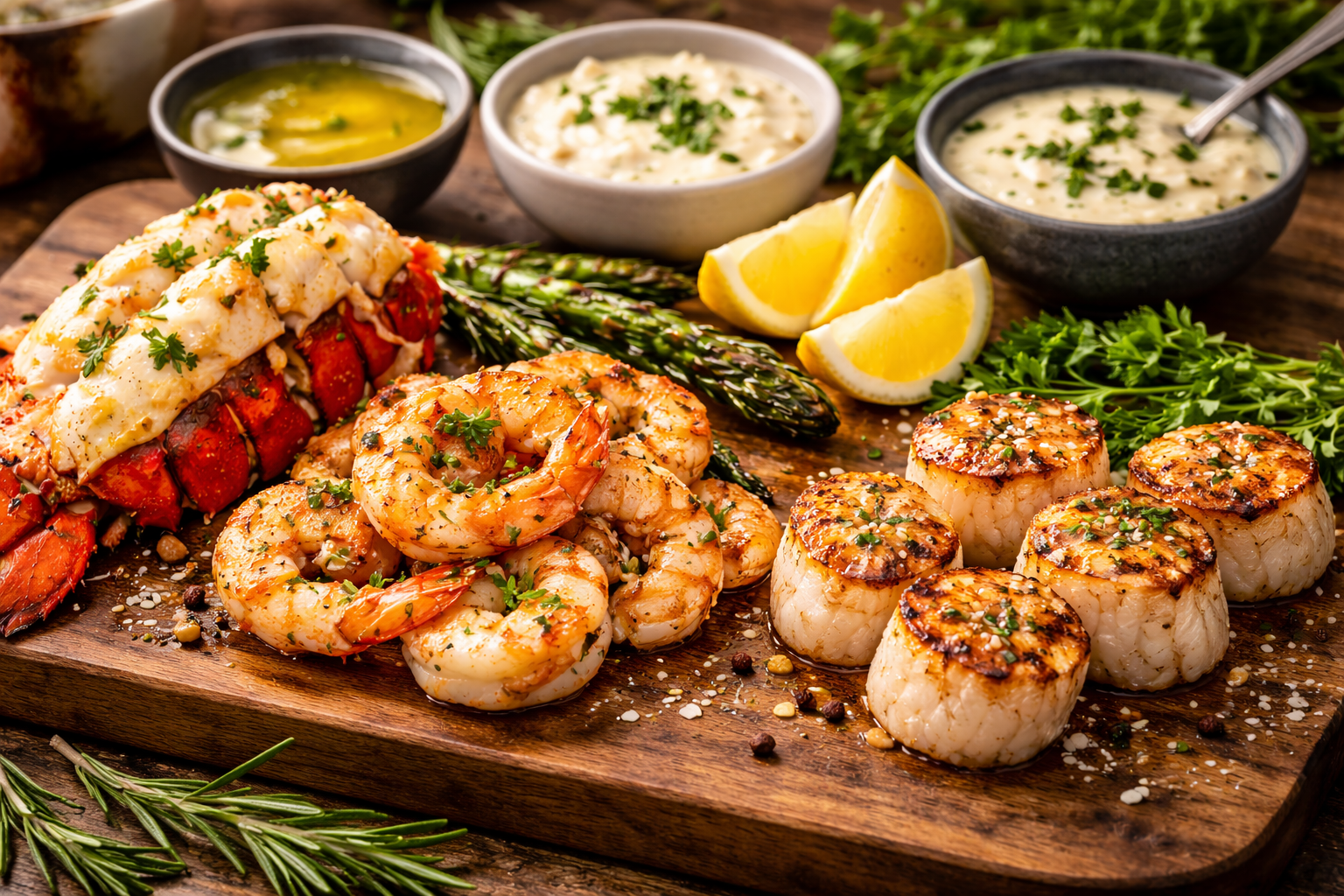
Once you know the steak cut, the seafood and sauce decide the finish.
Lobster with drawn butter or garlic butter pulls the wine toward Chardonnay, Blanc de Noirs, or a supple Pinot Noir. Butter adds weight, and that extra richness helps a fuller white or sparkling wine lock into the plate. If the lobster comes with a creamier pan sauce, the same sauce logic that makes white wine sauce pairings hinge on fat, acidity, and aromatics applies here too.
Grilled shrimp is easier with Pinot Noir, dry rose, or bright sparkling wine. Shrimp has sweetness, grill char brings a little savory edge, and the whole thing usually wants lift more than sheer power.
Scallops sit somewhere in between. They can handle a bit of richness, but they still hate rough tannin. On a plate with filet, a balanced Chardonnay or Blanc de Noirs looks very smart. On a plate with a leaner steak and a browned crust, Pinot Noir can slip through nicely.
Lemon, herbs, and garlic push the bottle toward freshness. When the seafood side gets brighter, less oak is usually better. That is why seafood dishes like vongole pairings so often lean crisp, dry, and saline rather than plush and woody.
Spice changes the rules. If the shrimp comes with chilli butter, Cajun seasoning, or real heat, the wine should get lower in alcohol and softer in tannin. WSET’s guide to drinks with spice explains that chilli can make alcohol feel hotter and tannin feel harsher. Sparkling wine, dry rose, or a lighter Pinot is safer than a hefty red here.
Note: For home cooking, FoodSafety.gov lists 145 F / 63 C for whole cuts of beef with a 3-minute rest and 145 F / 63 C for seafood. That does not pick the wine, but it does save dinner.
This is also where little details matter more than people think. Butter-poached lobster and grilled lobster are not the same pairing. Garlic shrimp and lemon shrimp are not the same pairing. If you only remember one thing from this section, make it this: sauce has veto power.
The Pairings That Usually Miss, and Why
Some bottles fail here in a very predictable way.
Big Cabernet Sauvignon is the classic miss. Yes, it can be gorgeous with steak. No, that does not mean it belongs with every steak-and-lobster plate. On a lean filet and plain lobster tail, a big Cabernet can make the shellfish feel smaller, sweeter, and strangely mute. The beef may still taste good, but the dinner as a whole gets lopsided.
Heavy, buttery, oaky Chardonnay can miss too. People hear “lobster” and reach for maximum oak. Then lemon or garlic hits the seafood, and the wine feels broad and sleepy instead of silky. Chardonnay works here when it is balanced, not when it tastes like toasted furniture.
High-alcohol reds with spicy shrimp are another common faceplant. The spice makes the heat feel hotter, and the wine starts shouting.
Very lean, neutral whites can also flop. If the steak is charred or peppery, a whisper-light white can leave the beef side hanging. You do not need the wine to dominate, but it has to show up.
What usually works is not “the best wine” in some abstract way. It is the bottle that refuses to bully one half of the plate.
The fast avoid list
- Skip huge tannic reds with delicate lobster or scallops
- Skip heavily oaked whites when the seafood is lemony or simple
- Skip hot, jammy reds with spicy shrimp
- Skip whisper-light whites with smoky, peppery steak
The miss I see most in real life is still the same one: someone buys a “serious” steak wine and assumes the seafood will just deal with it. It usually doesn’t.
A 30-Second Store and Wine-List Filter for One-Bottle Success
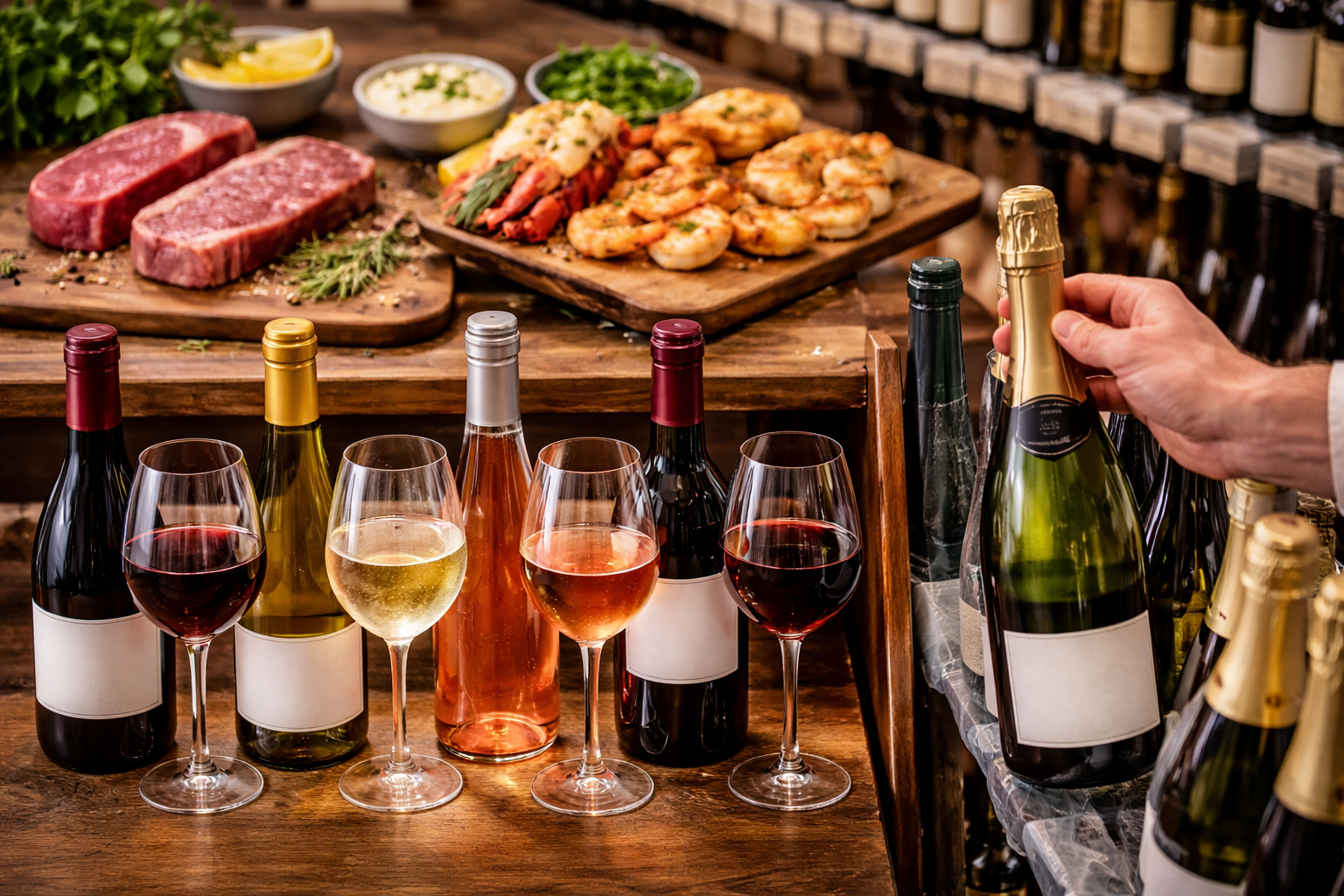
If you are standing in a shop or scanning a restaurant list, do this in order.
Step 1. Read the steak. Filet, strip, or ribeye? Leaner cuts widen your options. Fattier cuts push you toward sparkling or a softer red with a bit more shape.
Step 2. Read the seafood and sauce. Lobster with butter leans Chardonnay or sparkling. Grilled shrimp leans Pinot Noir or rose. Lemon and garlic call for freshness. Spice lowers your tolerance for oak, alcohol, and tannin.
Step 3. Stay moderate. Moderate tannin. Moderate oak. Moderate alcohol. Surf and turf usually rewards balance more than swagger.
Step 4. When in doubt, buy sparkling. If the prep is unclear, the table is mixed, or the wine list looks weak, Brut Champagne or another good traditional-method sparkling bottle is the easiest safe play.
If you want a quick shopping lane by budget, keep it simple. In the everyday bracket, aim for honest Pinot Noir, dry rose, or clean sparkling. In the mid-tier, better Chardonnay and Oregon Pinot can feel like a real step up. For a special dinner, a smarter splurge often comes from the style that fits the meal, not the fanciest label, which is the same idea behind bottles worth the spend around the $50 mark.
If you are ordering from a server, one line usually gets you somewhere good: “What’s your fresher medium-bodied red or structured sparkling for filet and lobster?” That question gives them a lane. It is way better than asking for “the best red.”
When Two Bottles Beat One
One bottle is a convenience goal. It is not a moral duty.
There are nights when the smart move is two bottles. Ribeye with butter-poached lobster is one of them. So is a big shared platter where one side is smoky steak and the other is delicate shellfish. If the table splits between red-wine people and white-wine people, forcing a single compromise can feel stingy and oddly stressful.
The easiest two-bottle plan is boring in the best way. Pour a softer red like Pinot Noir or Merlot for the steak side. Pour Chardonnay or sparkling for the seafood side. Nobody needs a lecture, and everybody gets a better glass.
I know this is less tidy than naming one magic bottle. But it is more honest. And honest pairing advice tends to age better.
If you still want one bottle for a mixed, celebratory surf-and-turf dinner, sparkling keeps earning the nod. If you are happy to serve two, the whole thing relaxes and the food tastes more like itself.
A Few Questions That Still Come Up at the Table
Can Cabernet work with surf and turf?
It can, but only in narrower situations. If the steak is fatty, the seafood is rich rather than delicate, and the sauce is not lemony or spicy, a restrained Cabernet can be serviceable. For most steak-and-lobster dinners, Pinot Noir, sparkling, or Chardonnay is a cleaner call.
Should the wine be served a little cooler than usual?
Yes, often. Sparkling and Chardonnay should be chilled but not icy. Pinot Noir usually shows better just below room temperature, especially with seafood on the plate. A red that is too warm feels softer and boozier, which is the last thing surf and turf needs.
Can I cook with the same wine I plan to serve?
You can, and it is a nice move when the sauce includes wine. Just do not let the cooking wine dictate the final bottle by itself. A pan sauce may use white wine while the finished plate still leans Pinot Noir or sparkling once the steak, seafood, and butter are all on the table.