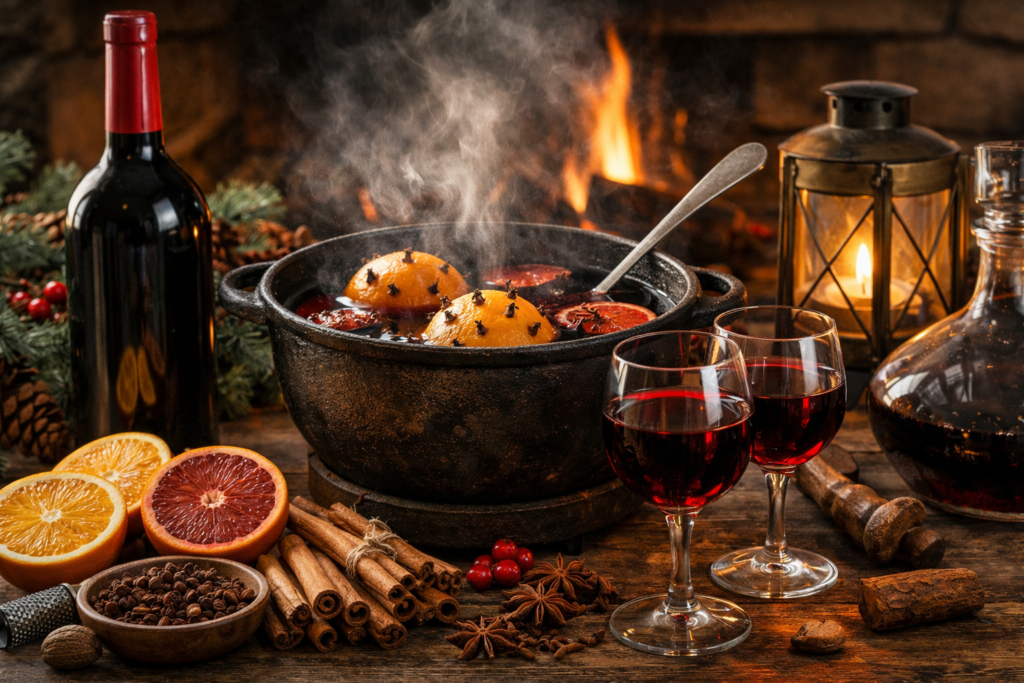
Most people miss the shelf by one bottle. Smoking Bishop sounds like ordinary mulled wine, so they grab a decent red, warm it with citrus and spice, and wind up with a mug that tastes heavy, bitter, or oddly flat. The best wine for Smoking Bishop is usually ruby Port. If your recipe calls for a second bottle, pick a soft, fruit-forward red with low to medium tannin, like Gamay, Beaujolais, a gentle Merlot, or an easygoing Pinot Noir.
I learned that the expensive way. Years ago I made a batch with a sturdy Cabernet because it felt “serious” enough for a Dickens drink. The room smelled great. The bowl drank like hot spice poured over old wood.
Smoking Bishop is a Port-first drink. Once you treat it that way, the buying choice gets much simpler.
- Why ruby Port is the default pick
- When a second red helps and when it just muddies the bowl
- Which red styles stay smooth under roasted orange, clove, and sugar
- What bottles and techniques push the drink toward bitterness or heat
- How to match the wine to a brighter, richer, or more classic batch
At a glance: buy by style, not prestige
| If your recipe looks like… | Best bottle move | Skip |
|---|---|---|
| Port-led, Dickens-ish, roasted citrus, sugar, spice | Reserve ruby Port | Vintage Port, pricey old bottles, most tawny by default |
| Port plus one bottle of red | Ruby Port + soft low-tannin red | Big Cabernet, hot Shiraz, obvious oak |
| Brighter and lighter holiday bowl | Ruby Port + Gamay or light Pinot Noir | Jammy sweet reds |
| Richer, darker, more dessert-like version | Ruby Port alone or ruby + soft Merlot | Extra sugar plus sweet red plus tawny all at once |
Fast rule: buy fruit and softness. Let the oranges, cloves, and heat do the rest.
What the best wine for Smoking Bishop actually is
The short answer is not “a good red.” It is ruby Port first, then an optional soft red if the recipe asks for a second bottle. That covers both lanes you see in old-school and modern recipes without making the bowl clumsy.
If you’re making a more classic version, one bottle of reserve ruby Port is the safest place to start. If you’re making a larger party batch with one bottle of Port and one bottle of red wine, keep the red dry or near-dry, low in tannin, and light on oak. Think cherries, plums, and berries. Not cedar, cigar box, and “pair with ribeye.”
Quick rule: If the recipe already brings sweetness, spice, roasted orange, and warmth, the wine should bring fruit and shape. It should not bring more weight than the bowl can carry.
There are really two useful buying paths:
- Classic lane: reserve ruby Port, sometimes on its own
- Modern party lane: reserve ruby Port plus a soft red like Gamay, Beaujolais, Merlot, or a gentle Pinot Noir
The mistake I see most is treating “best” like a prestige problem. It isn’t. Smoking Bishop is one of those drinks where a polished, cellar-worthy bottle can taste worse than a humble fruit-forward one. A fancy wine can feel noble in the shop and silly in the pot.
Why Smoking Bishop is not just ordinary mulled wine
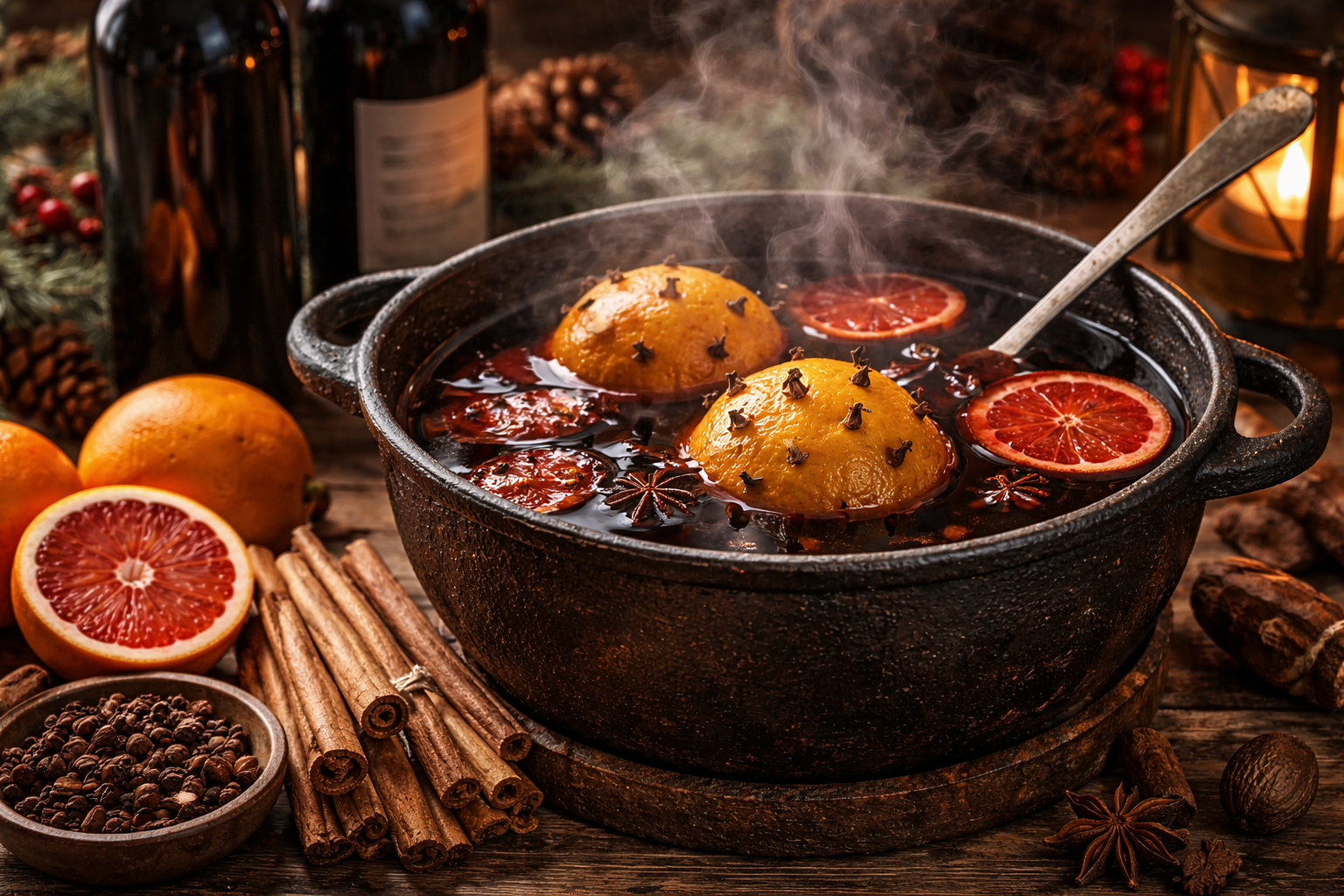
The name sounds theatrical, but the drink is real and pretty specific. In Dickens, the phrase “a Christmas bowl of smoking bishop” shows up in A Christmas Carol, which is why so many recipes drag it back to Victorian Christmas tables. That literary link matters because it nudges the drink away from generic winter red wine and toward something more particular.
WSET describes the broad mulled wine pattern as red wine, citrus, sugar, and aromatic spices. Smoking Bishop lives in that family, but it pushes harder on roasted fruit and Port. That roasted citrus note changes the shelf choice in a quiet but real way.
When oranges or lemons are studded with cloves and baked until the skins darken, you get sweet peel oil, a little bitterness, and a faint charred edge. That mix is lovely. It also means hard tannin and loud oak show up more harshly than they would in a plain mug of mulled red.
That little detail changes the shelf.
Ordinary mulled wine can forgive a wider range of reds. Smoking Bishop is fussier. The bowl already has sugar, spice, roasted citrus, and heat, so the base wine should stay cheerful under pressure.
If the mood here is “warm wine, but make it broader,” a broader mulled wine bottle guide is useful. For Smoking Bishop, the lane is narrower and more Port-shaped.
Choose the right Port first: ruby is the default, tawny is the detour
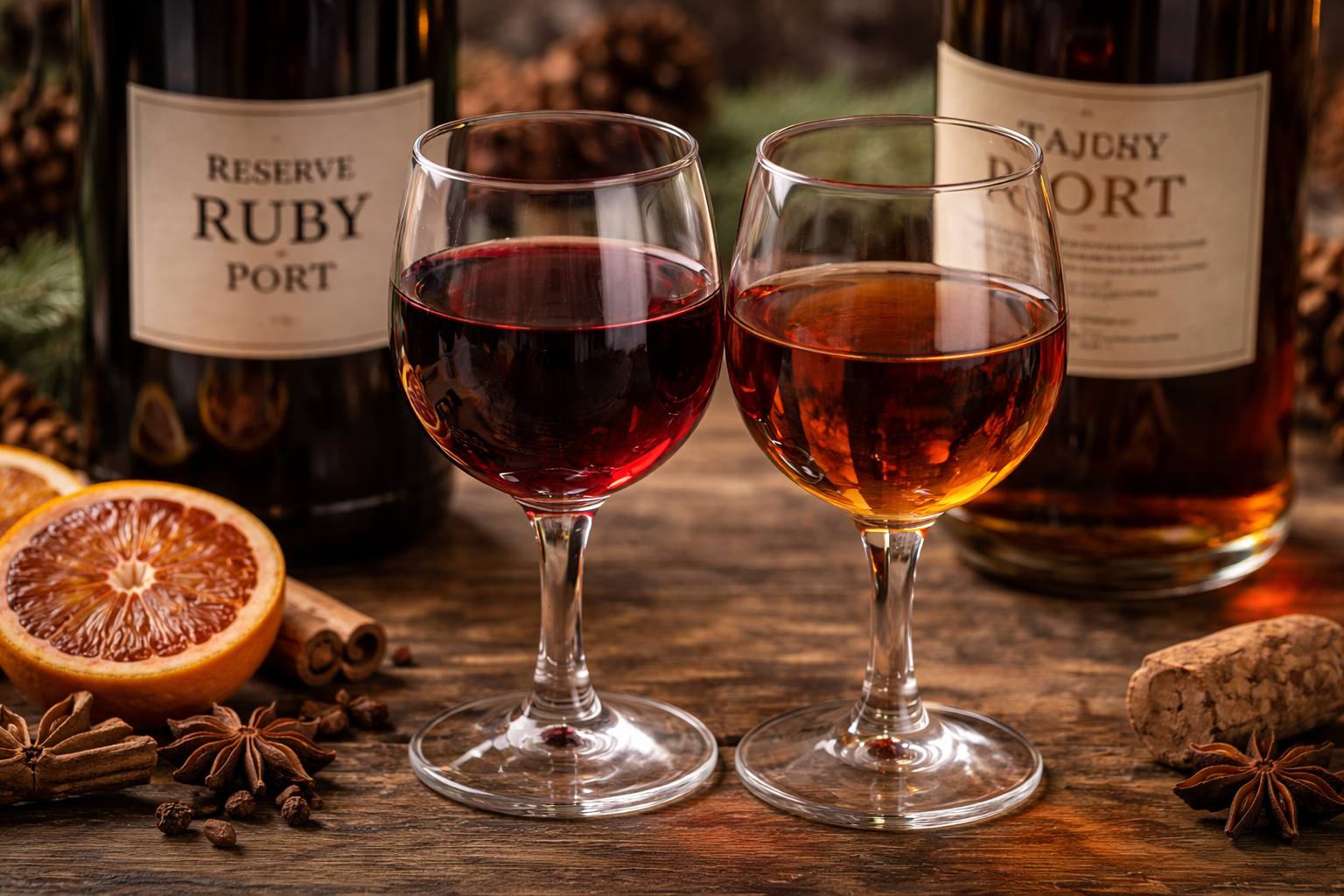
If you buy only one bottle with care, make it the Port. The official description of ruby-style Port as preserving the fruit and strength of a young wine gets right to the point. That is what Smoking Bishop wants: dark fruit, sweetness, body, and a young pulse that can still cut through roasted orange and clove.
Reserve ruby Port is the sweet spot for most people. It has more shape than the cheapest ruby, but it still tastes alive. It does not ask you to admire it in silence. It wants to be poured, warmed, and shared.
Late Bottled Vintage, usually shortened to LBV, can work too. It gives you more depth and a little more seriousness. Still, I would not start there unless you already know you like a darker, fuller bowl. For a first batch, reserve ruby is easier to get right.
Tawny port matures in cask, changing its colour, and that wood time shifts the flavour toward nuts, caramel, and dried fruit. That does not make tawny “better” for Smoking Bishop. It makes it different. If you want a richer, nuttier, softer holiday bowl, tawny can be lovely. If you want the cleanest classic answer, ruby wins.
Port buying ladder
- Best default: reserve ruby Port
- Good upgrade: a solid ruby or approachable LBV
- Use on purpose: tawny, if you want more nuts and caramel
- Skip for this job: expensive vintage Port
One thing that catches people out: old or pricey does not equal better in a spiced bowl. This is not the place to flex. It is the place to keep the fruit clear.
Pick the right red wine when the recipe uses a second bottle
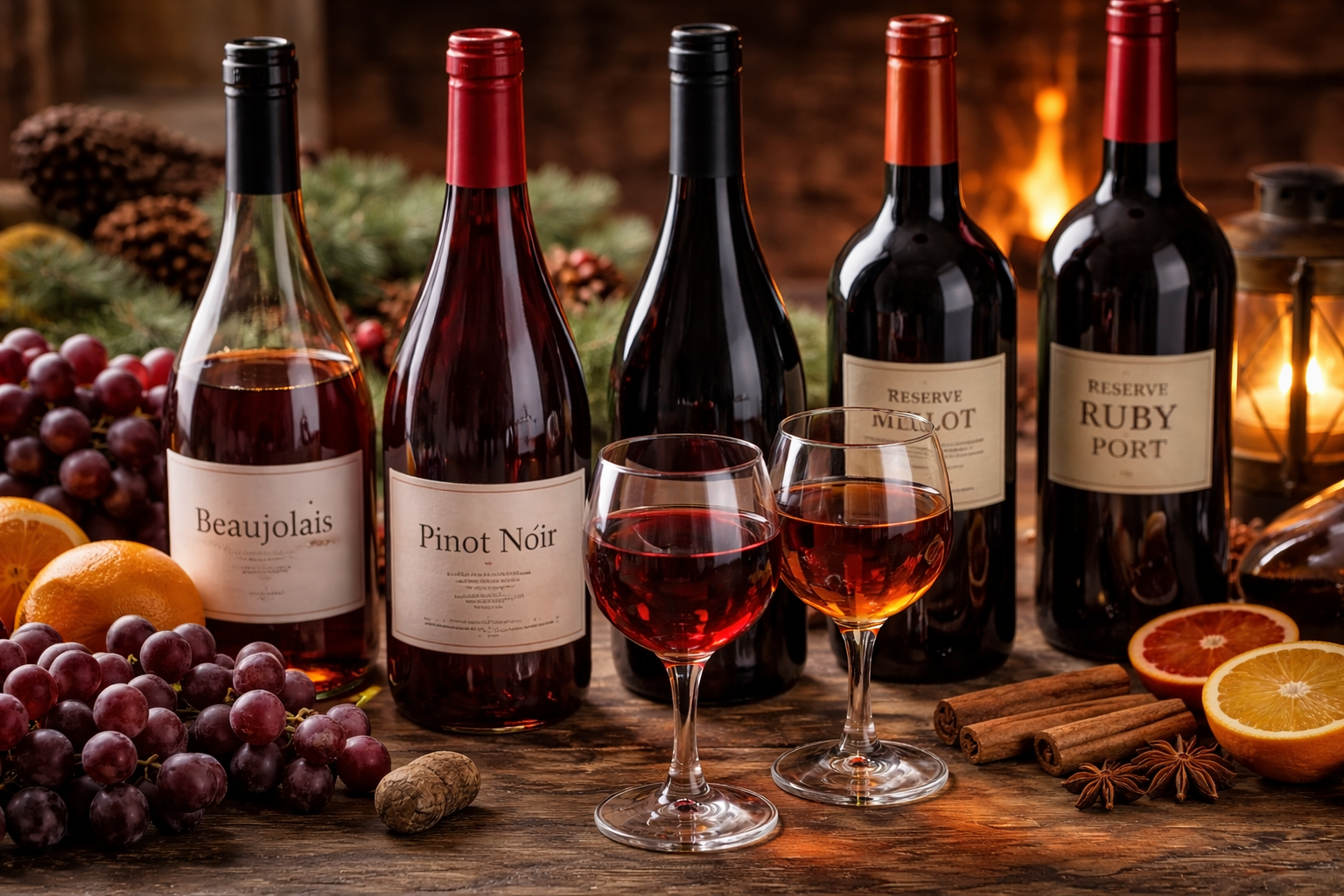
When a recipe uses Port and red wine, the red should steady the bowl, not wrestle it. You want fruit, softness, and enough dryness to stop the drink from slumping into syrup.
The cleanest starting point is Gamay or Beaujolais. WSET calls out easy-drinking, low-tannin Beaujolais, and that is almost tailor-made for this drink. It keeps the fruit bright. It does not sandpaper the tongue once heat and citrus get involved.
Soft Merlot is next on my list. It rounds the bowl out without stealing the scene. A lighter Pinot Noir can work too, mostly when you want more lift and less heft. Think silk shirt, not winter blanket.
What you are looking for on the shelf is not region first. It is behaviour. The bottle should read like berries, cherries, plums, juicy fruit, soft tannins, and little obvious oak. If the back label sounds built for steak, smoke, cedar, or long aging, keep walking.
Good second-bottle signs: low to medium tannin, moderate alcohol, fresh fruit, no strong vanilla or toast notes.
I keep coming back to Gamay for this job because it stays nimble. Merlot is the forgiving crowd-pleaser. Pinot Noir is the bright, slightly prettier version. Cabernet can work in theory, but for a “best bottle” call, it is not where I would send most people. Too many Cabernets bring grip, oak, or heat that the bowl does not need.
Match the wine to the style of Smoking Bishop you want
The “best” bottle shifts a little once you decide what kind of bowl you want. Not wildly. Just enough that it is worth picking on purpose.
| Batch style | Best wine move | What it tastes like |
|---|---|---|
| Classic, Dickens-ish | Reserve ruby Port | Dark fruit, spice, rounded sweetness, roasted citrus |
| Balanced party bowl | Ruby Port + Gamay or soft Merlot | Richer than mulled wine, but not heavy |
| Brighter, more citrus-led | Ruby Port + light Pinot Noir or Gamay | Livelier fruit, cleaner finish |
| Darker, fuller, almost dessert-like | Ruby Port alone or ruby + soft Merlot | Plum, brown sugar, deeper spice |
| Nuttier twist | Tawny Port on purpose | Caramel, dried fruit, softer citrus edge |
If your recipe leans on bitter orange or Seville orange, fresher fruit matters more. Ruby Port earns its keep there. If the recipe leans on extra brown sugar, a dry and gentle second red helps stop the bowl from turning sticky.
This is also where the difference between related drinks becomes handy. A French-style warm red has its own rhythm, and how the bottle logic shifts for vin chaud makes that easy to see. Smoking Bishop still likes fruit and softness, but Port pushes the centre of gravity lower and richer.
For bigger parties, I would not get cute. Buy forgiving bottles. Clever choices are fun until fifteen people are waiting with mugs.
Avoid the bottles and techniques that make Smoking Bishop taste bitter, flat, or hot
Most bad batches fail in one of two ways. The wine is too hard for the bowl, or the heat is too rough for the wine.
The bottle-side avoid list is short and pretty reliable:
- Big tannic Cabernet-led reds
- Heavily oaked reds with loud vanilla or toast
- Very hot, jammy reds when the recipe already runs sweet
- Sweet red blends piled on top of Port and sugar
- Prestige bottles bought for status rather than fit
That last one matters more than people think. A mature or heavily wooded wine can lose its shape once citrus peel, clove, cinnamon, sugar, and heat pile on. It is a bit like wearing a wool coat under another wool coat. Warm, sure. Comfortable, not really.
Then there is the pot itself. If the bowl boils, the fruit gets dull and the alcohol edge gets meaner. If all the sugar goes in at once, the drink can tip from festive to sticky before you notice. If the spice gets pushed too hard, people blame the cloves when the real problem was the wine.
Three fast fixes for a struggling batch
- If it tastes bitter, back off the heat and check whether the red is too tannic.
- If it tastes flat, you probably chose a bottle with too little fruit or cooked it too hard.
- If it tastes hot and sticky, pull back sugar next time and avoid jammy reds.
I would also skip the reflex to buy tawny because it sounds richer. It can be lovely, yes, but only when you want that dried-fruit and caramel turn. As a default, it can blur the roasted orange edge that makes Smoking Bishop taste alive.
Buy smarter, test faster, and serve the batch without overthinking it
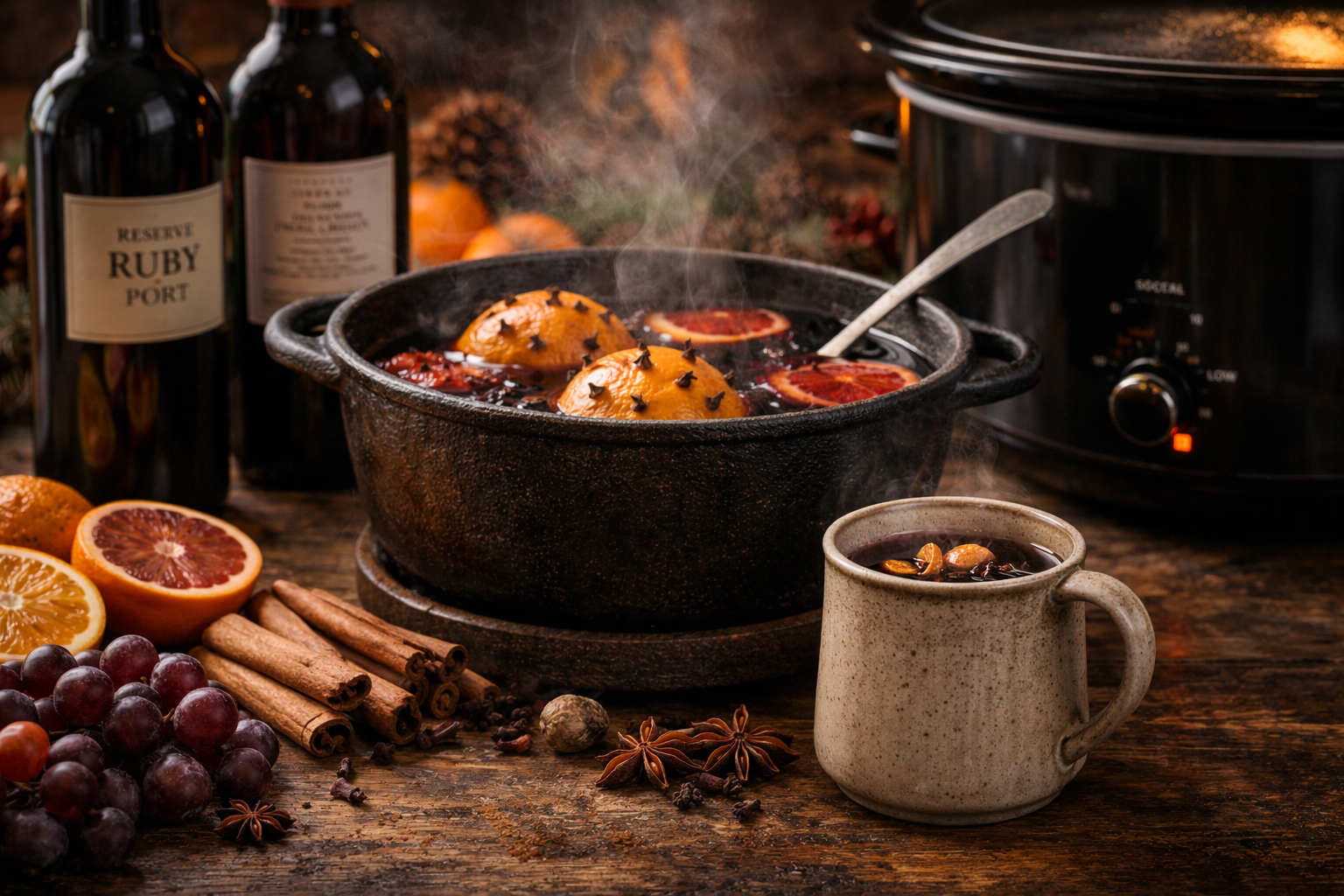
You do not need a grand bottle here. You need a bottle that behaves. That usually means spending enough to get clean fruit and balance, then stopping there. If you are buying Port plus red, put a little more care into the Port and let the second red be simple and easy.
My favourite test is tiny and kind of boring, which is exactly why it works. Taste the base wine before it goes into the pot. Warm a mug-sized sample with a strip of citrus peel, a pinch of spice, and a touch of sugar. If the fruit still shows up, the bottle is doing its job. If it vanishes or turns woody, do not commit the whole batch.
Keep the finished bowl warm, not bubbling. A slow cooker on low can work if it never drifts into a simmer. The drink should smell open and spiced. It should not hiss at you.
One more shopping rule that saves money: if the label sounds like a wine you would open to impress one person over dinner, it might be too solemn for Smoking Bishop. If it sounds like a bottle you would happily pour for six friends on a cold night, you are close.
For a bowl that tilts more toward apple, spice, and orchard fruit than Port depth, a more orchard-and-spice holiday bowl is the better lane. Smoking Bishop is richer and moodier. That is half the charm.
The simple rule I come back to is this: buy the bottle that still sounds friendly after you imagine roasted orange peel, clove, sugar, and heat landing on top of it.
FAQ
Can you make Smoking Bishop with only Port and no red wine?
Yes. In fact, that is one of the cleanest ways to make it. If the recipe is Port-led and closer to the older style, reserve ruby Port on its own often tastes more focused than a Port-plus-red blend.
Is tawny Port ever the best choice?
Yes, but only when you want a nuttier, softer, more caramel-toned bowl. For the classic answer, ruby Port stays the better default because it keeps more young fruit in the drink.
Can Smoking Bishop stay warm in a slow cooker?
Yes, as long as it stays below a simmer. Gentle heat keeps the fruit clearer and stops the bowl from tasting flat or harsh.