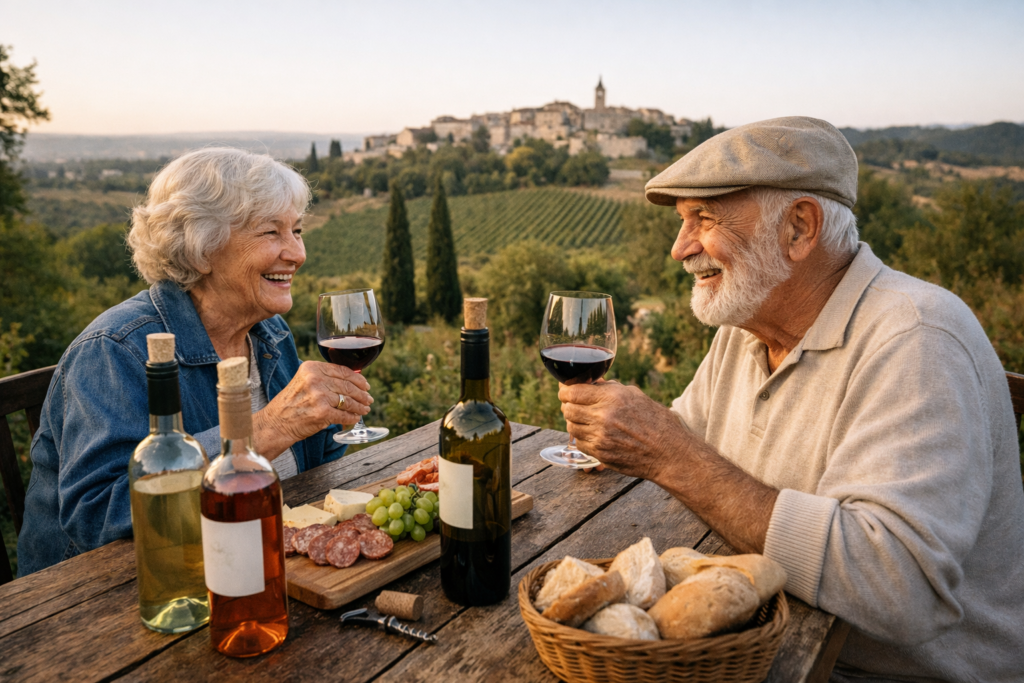
I have seen this go wrong in the most polite way possible. Someone buys a “serious” bottle for an older parent, usually a big Cabernet or an oaky Chardonnay, everyone nods, and then the glasses stay half full for the rest of dinner.
The better answer is usually simpler. For most older adults, the best wine is a lighter, drier, easier-drinking style such as Pinot Noir, dry Riesling, Pinot Grigio, dry rosé, or Brut sparkling wine. That works better because taste can change with age, alcohol can hit harder after 65, and the boldest bottle is often the least comfortable one. The National Institute on Alcohol Abuse and Alcoholism notes that older adults can reach higher blood alcohol concentrations after the same amount of alcohol, so “best wine for old people” is not really a prestige question. It’s a comfort, safety, and fit question.
What you’ll get here:
- The 7 wine styles that are the safest starting lanes
- Why red wine is not a magic health shortcut
- A simple 4-part filter for picking the right bottle
- What to avoid first, before you waste money on the wrong wine
- How to choose for dinner, gifting, celebrations, and one-glass evenings
- When the smartest pick is no wine at all
At a Glance: start here if you just need the short answer
| If this sounds like them… | Start with… | Skip first |
|---|---|---|
| They like soft reds | Pinot Noir or Gamay | Cabernet Sauvignon, young Syrah |
| They prefer lighter, fresher wines | Pinot Grigio or dry Riesling | Heavy oaky Chardonnay |
| You need one bottle for a mixed table | Brut sparkling wine | Sweet sparkling or dessert wine |
| They only want one small glass with food | Dry rosé or lighter Pinot Noir | High-alcohol “big red” |
Fast pick rule: when you know almost nothing, buy freshness before power.
The best wine for old people is usually one of these 7 easy-drinking styles
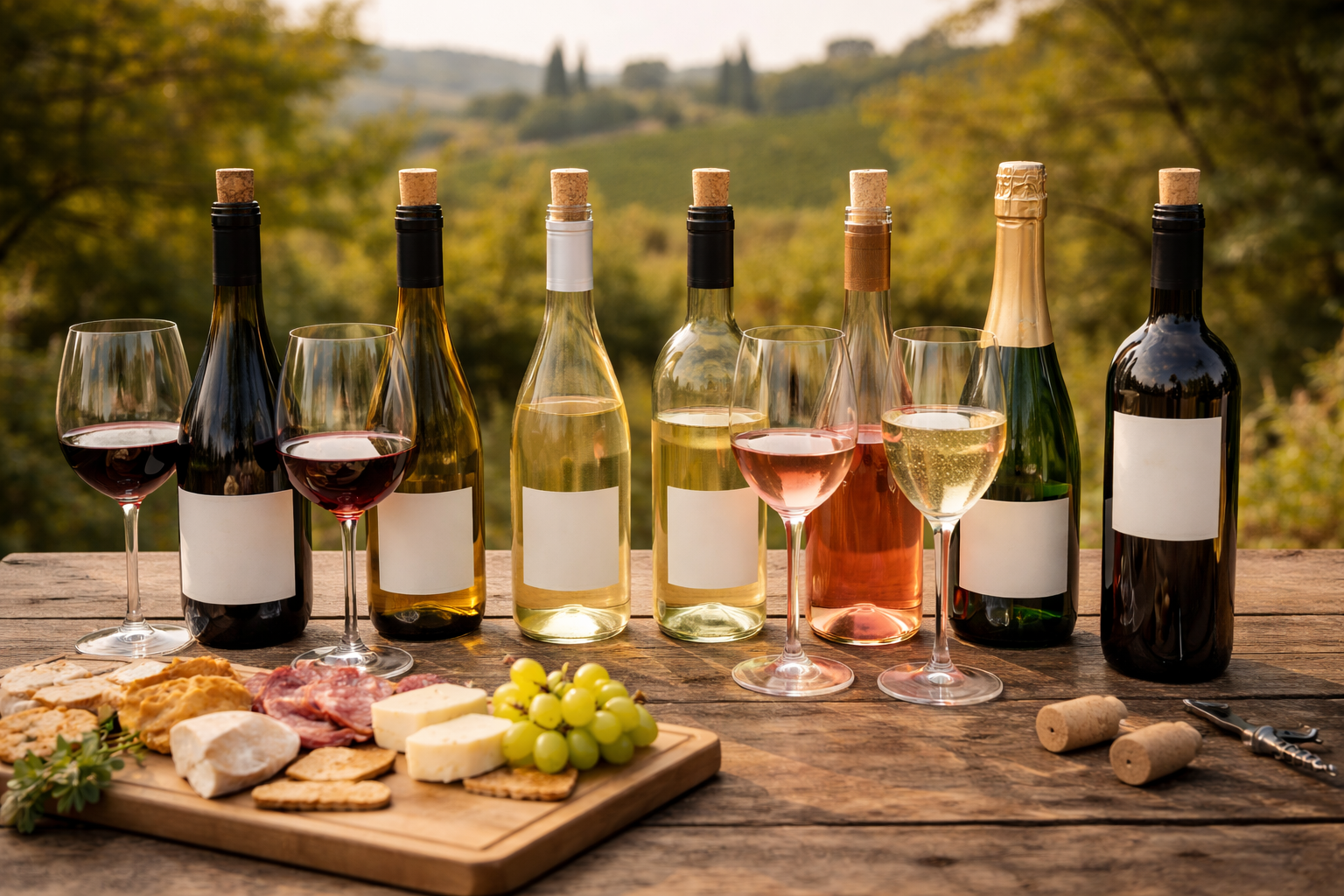
If you need the short list, use this one: Pinot Noir, Gamay or Beaujolais, dry Riesling, Pinot Grigio, dry rosé, Brut sparkling wine, and a lighter-style Merlot. Those styles tend to be easier because they are less tannic, less sweet, or less heavy on the palate than the bottles people often reach for when they want to impress someone.
I’ve made the “impressive bottle” mistake myself. It usually looks great on the table and drinks like furniture polish by the second sip. A softer Pinot Noir or a dry sparkling wine almost never has that problem.
Fast pick: If you know they enjoy red, start with Pinot Noir. If you know nothing at all, start with Brut sparkling. If they like crisp whites, go Pinot Grigio or dry Riesling.
There is no one universal “senior wine.” But there is a pattern. Older adults often enjoy wines that feel cleaner, softer, and less tiring. That is why “smooth wine for seniors” or “easy-drinking wine” is a better way to think about the problem than chasing a supposedly healthy miracle bottle.
Red wine is not a health shortcut, and older adults process alcohol differently
A lot of articles still lean on the old red-wine halo. The trouble is that the best bottle for taste is not always the best bottle for tolerance, and the best bottle for tolerance is not a medical treatment.
The American Heart Association says that some studies have linked small amounts of red wine with heart health, but no research has proven a direct cause-and-effect link, and it does not recommend drinking alcohol to gain health benefits. That should reset the whole conversation. Drink wine because you enjoy it, not because you think Pinot Noir belongs in the vitamin drawer.
Then there is the age piece. Johns Hopkins explains that after age 65, lean body mass and water content decrease and alcohol stays in the system longer. The National Institute on Alcohol Abuse and Alcoholism says the same thing in plainer terms: older adults may feel alcohol faster and more strongly. So that 14.5% red that felt “full-bodied” at 45 can feel hot, sleepy, or strangely harsh at 75.
Serving size matters more than people admit. Johns Hopkins notes that for healthy adults over 65 who are not taking interacting medicines, a standard drink is 5 ounces of wine, with no more than 7 drinks a week and no more than 3 on any one day. A home pour in a big bowl glass often lands closer to 8 or 9 ounces. That is not one glass in any useful sense. It’s closer to two.
Note: If the shopping question is partly about “healthy wine,” the more honest next read is best wine for the heart, because that question needs more nuance than “buy red.”
Medication clashes matter too. The National Institute on Alcohol Abuse and Alcoholism warns that alcohol can interact badly with pain medicines, sleep aids, anxiety drugs, cold medicine, some blood-pressure drugs, and more. That is one reason a “best wine for elderly parents” guide should never pretend all older adults are in the same lane.
Use this 4-part filter to choose the right bottle: alcohol, tannin, sweetness, and acidity
If you remember four things at the shelf, you can skip most bad buys.
Alcohol: If someone feels wine strongly, gets sleepy fast, or says wine tastes “hot,” start lower. A bottle around 11.5% to 12.5% alcohol often feels friendlier than one pushing 14.5% or more. This is not a medical cut-off. It’s a buying rule that works surprisingly often.
Tannin: Tannin is that drying, grippy feel you get from strong black tea. High-tannin reds can feel bitter, dusty, or a bit abrasive, especially if the drinker already has dry mouth or just dislikes bitter flavors. When the goal is comfort, Cabernet Sauvignon, Nebbiolo, and stern young Syrah are risky first picks.
Sweetness: People hear “smooth” and sometimes buy sweet. That can backfire. Sweet wines can feel sticky, heavy, and easier to overpour. Dry wines are usually the safer default unless you know the person likes sweetness.
Acidity: Acidity is the fresh, mouth-watering edge in wine. It helps a bottle feel alive. But too much can feel sharp with reflux, an empty stomach, or certain foods. Crisp is good. Razor-blade crisp, not always.
One more thing gets missed. The National Institute on Aging says that as people get older, smell may fade and foods may taste blander. That helps explain why fresher, more aromatic wines can land better than heavy, mute, oak-soaked bottles. Not because older adults “need sweeter wine,” but because clarity of flavor starts to matter more.
Shelf test: use this in 15 seconds
- If alcohol looks high, put it back first
- If the grape is known for tannin, be cautious
- If the style sounds sweet, only buy it on purpose
- If the bottle promises “big,” “rich,” or “powerful,” it is probably not the safest blind pick
Pinot Noir, dry Riesling, Pinot Grigio, rosé, and Brut sparkling: who each style suits best
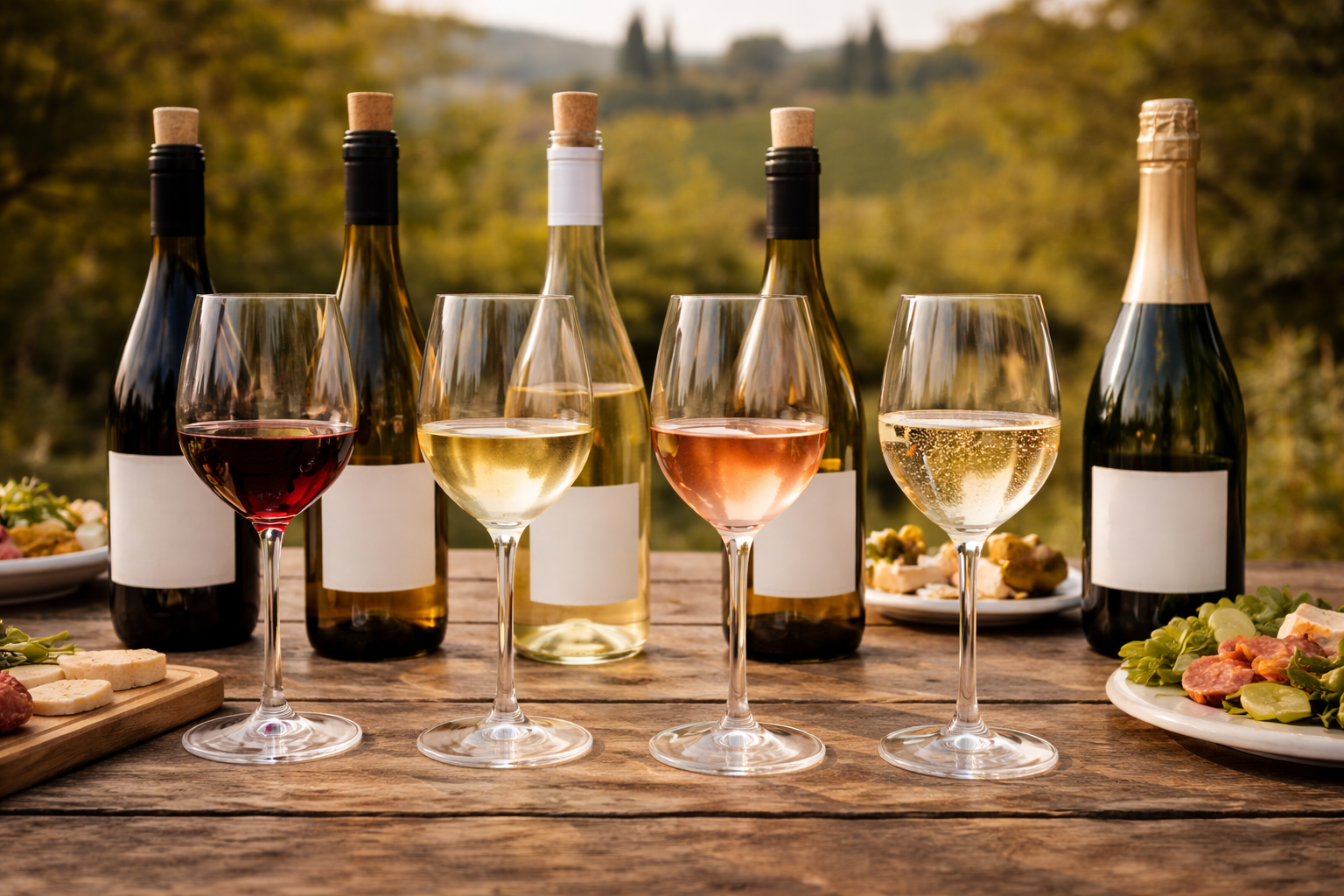
Pinot Noir is the easiest red answer for a reason. It is usually lighter-bodied, lower in tannin than Cabernet, and flexible with food. When someone says they want red but “not too much red,” this is where I start.
Gamay or Beaujolais is the cheerful backup. Juicy, light, low on grip, and usually less brooding than many reds. It works when Pinot Noir feels too polished or too expensive.
Dry Riesling is one of the best white options for older adults who find reds tiring. It often brings aroma, freshness, and balance without feeling heavy. Dry, or close to dry, matters here. A sweet one changes the whole mood.
Pinot Grigio is simple in a good way. It is clean, crisp, and easy with fish, salads, lighter pasta, and quiet dinners where the wine should not dominate the plate.
Dry rosé works when red feels heavy and white feels too lean. It gets ignored because people file it under summer drinking. That’s a mistake. A good dry rosé is one of the best “I want flavor but not weight” answers in the whole shop.
Brut sparkling wine might be the safest one-bottle answer for a mixed table. It feels festive without being thick, and the bubbles plus acidity let it handle salty snacks, soft cheeses, roast chicken, and awkward gift moments where you are guessing a bit.
Lighter Merlot is the rounder option if Pinot Noir sounds too thin. The key word is lighter. Plush, jammy, 14.5% Merlot is a different animal.
Fast pick: Pinot Noir for soft red drinkers, dry Riesling for white drinkers who like aroma, Pinot Grigio for quiet dinners, Brut sparkling for gifts and celebrations.
| Style | Typical feel | Best for | What can go wrong |
|---|---|---|---|
| Pinot Noir | Soft, light, low grip | Dinner, red-wine drinkers | Can feel thin if the person wants richer reds |
| Dry Riesling | Bright, aromatic, fresh | White drinkers, lighter meals | Very sharp examples can feel too zippy |
| Pinot Grigio | Clean, crisp, light | Simple dinners, seafood | Can feel bland if the food is rich |
| Dry rosé | Fresh, light, quietly fruity | Mixed tastes, lunch, warm weather | Off-dry versions can feel sweeter than expected |
| Brut sparkling | Dry, lively, festive | Gifts, celebrations, mixed tables | Can feel too sharp for reflux-prone drinkers |
Big reds, sugary dessert wines, and oversized pours are the first things to avoid
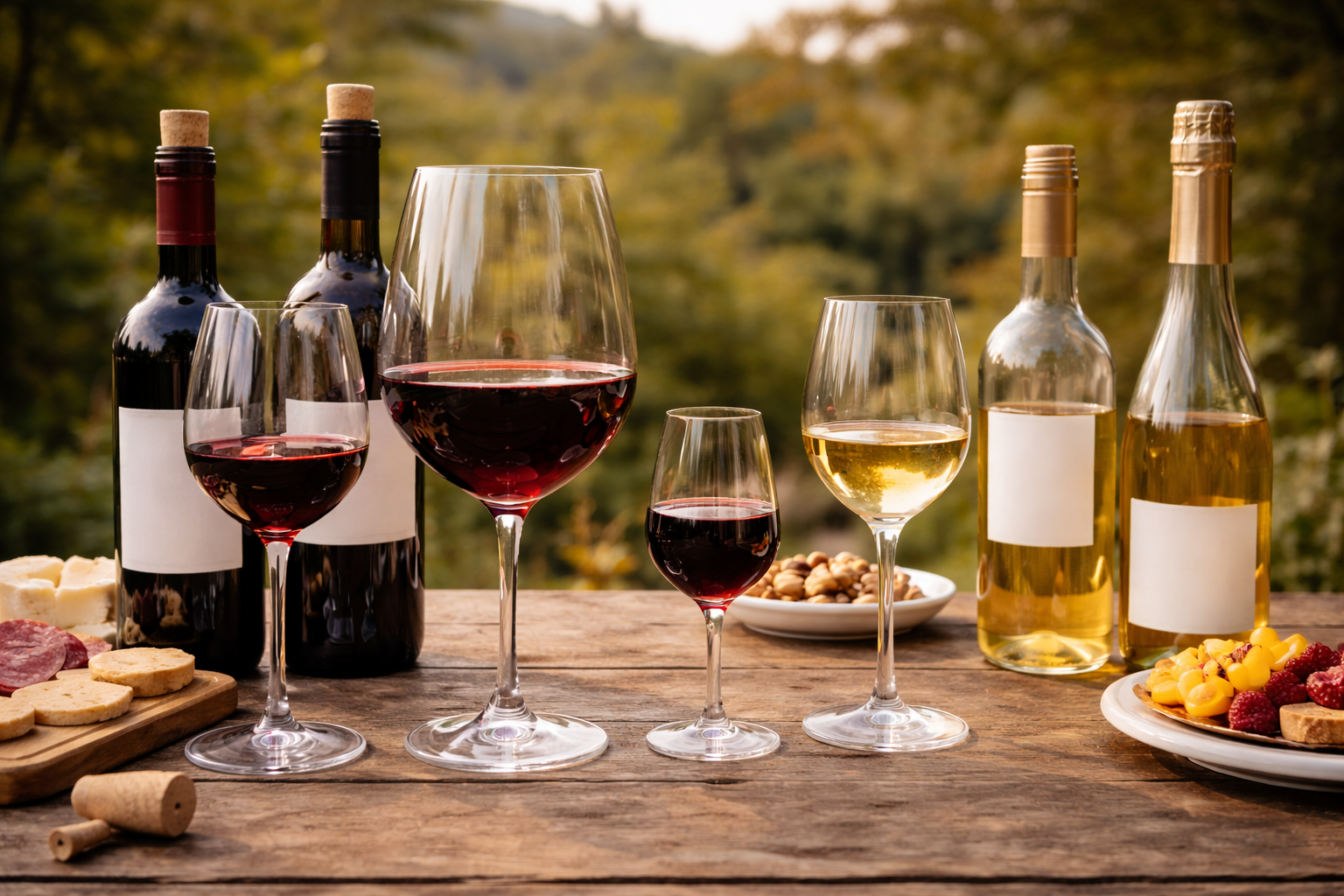
If you want the fastest way to cut your failure rate, stop buying giant reds as blind gifts. A bold Cabernet, a boozy Zinfandel, or a thick, heavily oaked red can feel tiring after half a glass. People often mistake that for “serious” wine. It is usually just too much wine.
Dessert wines are another trap. Port, Sauternes, ice wine, and sweet sparkling wines have their place, and a lot of us like them, but they are not the safest default for older adults. They are sweeter, richer, and easier to overpour. If someone already likes sweet wine, fine. If you are guessing, go dry.
Then there is the pour itself. A wrong bottle in a 9-ounce pour becomes a much worse bottle. The best low-sugar wine or easy-drinking red still loses if the glass is filled like juice.
Remember: the bottle is only half the decision. The other half is whether the wine is dry enough, light enough, and poured small enough to stay pleasant.
Match the wine to the moment: dinner, gifting, celebrations, and one-glass evenings
For dinner: Pinot Noir, Gamay, dry Riesling, and Pinot Grigio are the cleanest starting lanes. They play nicely with roast chicken, fish, softer cheeses, vegetable dishes, and most everyday food. They do not need a speech before the first sip.
For gifting: Brut sparkling wine is hard to beat. It feels special, fits more occasions, and works for a mixed-age table. If the person clearly prefers red, go Pinot Noir. This is one of those times where “safe” is a compliment.
For celebrations: Dry sparkling wins again, with dry rosé close behind. Both feel festive without turning sugary or heavy. Sweet bubbly can be fun, but only when you know that is the person’s thing.
For one-glass evenings: Think smaller and calmer. A half bottle of dry rosé, Pinot Noir, or a fresh white often makes more sense than opening a hulking red that tastes dull by tomorrow night.
Fast pick: mixed table equals Brut sparkling, quiet dinner equals Pinot Noir or Pinot Grigio, and “just one glass” evenings call for light styles or half bottles.
The useful rule here is simple. Buy for the moment, not for the abstract idea of what “good wine” should look like.
Pour smaller, serve smarter, and test with food before buying a case
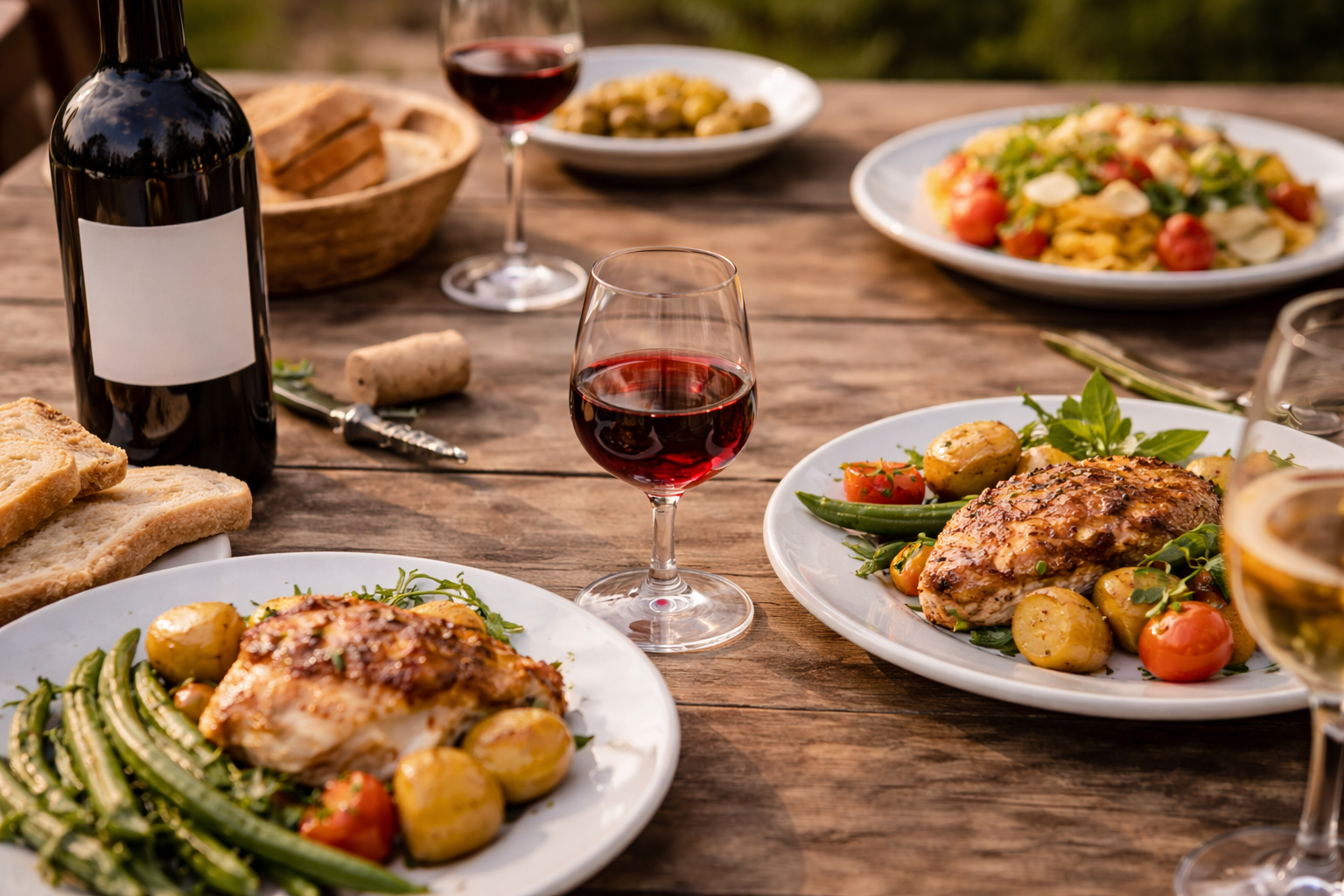
People spend too much time on labels and not enough time on the first pour. Start with 2 to 3 ounces, not a full goblet. That one move makes it much easier to notice whether a wine feels fresh, sharp, bitter, warm, or tiring.
Serve it with food if that is how the person will actually drink it. A wine that seems a little tight on its own can relax next to roast chicken or pasta. The reverse happens too. Some sweet-leaning bottles feel fine solo and clumsy at the table.
Temperature helps. Lighter reds often show better slightly cool, not warm and floppy. Whites should be chilled, but not ice-cold to the point that all the flavor disappears. You want freshness, not numbness.
And don’t buy a case after one nice meal. Buy one bottle. Then buy it again if it still makes sense. Boring advice, maybe. Expensive mistakes are more boring.
A simple home test
- Pour 2 to 3 ounces
- Take two small sips before food
- Take two more with food
- If the wine feels friendlier by sip four, it is in the right lane
- If it feels hotter, sweeter, or more tiring, move on
When the best wine for old people is no wine at all
This needs saying plainly. Sometimes the right answer is not a better bottle. It is no bottle.
The National Institute on Alcohol Abuse and Alcoholism warns that alcohol can raise fall risk, worsen sleep, and interact badly with medicines used for anxiety, pain, and sleep. Johns Hopkins also notes that ulcers, high blood pressure, diabetes, and other conditions can get more complicated with alcohol. If any of that is in the picture, the wine question moves out of the shopping lane and into the doctor lane.
Cancer risk belongs in the same honest category. The National Cancer Institute says even light drinkers can face increased risk of some cancers, with breast cancer often used as the clearest example. That does not mean every older adult needs to panic over an occasional glass. It does mean the safer amount is always lower than the marketing would like you to think.
If there is an active stomach issue, reflux that flares badly, a history of falls, sedating medication, or a doctor’s advice to avoid alcohol, skip the wine and make the ritual special another way. The page on best wine for ulcers takes that same blunt line for a reason.
That may sound unromantic. It is also kind, and kindness is a better host than stubbornness.
FAQ
Is red or white wine better for older adults?
Neither color wins by default. A softer red like Pinot Noir is often the safest red choice, while a crisp white like Pinot Grigio or a dry Riesling can feel easier for people who find red wine heavy or bitter.
What is the safest wine gift when you do not know their taste?
Brut sparkling wine is usually the safest one-bottle gift. It suits more occasions, handles food well, and rarely feels as heavy as a big red or as sticky as a sweet wine.
Is non-alcoholic wine a better choice for seniors?
It can be, especially when medication, sleep issues, balance, ulcers, or medical advice make alcohol a poor fit. It will not taste exactly the same, but for some people the ritual matters more than the alcohol.