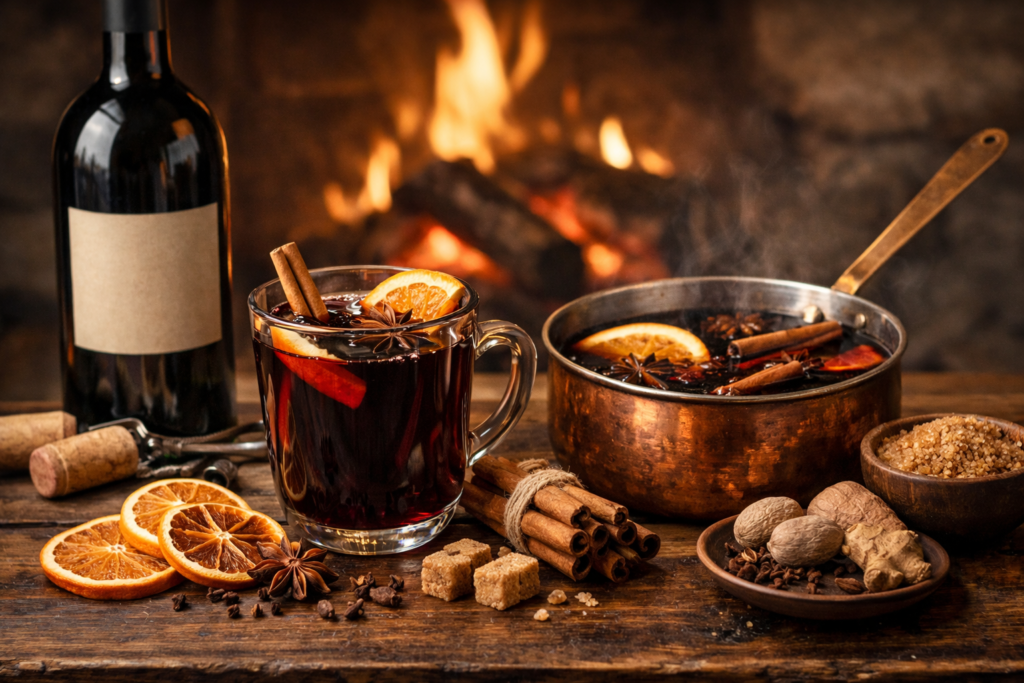
The first time a pot of vin chaud goes wrong, it is weirdly disappointing. The kitchen smells like orange peel and cinnamon. Everyone expects magic. Then the first sip lands a little bitter, a little woody, and a lot less cozy than the aroma promised.
If you’re looking for the best wine for vin chaud, start with a young, fruit-forward red that is dry or just off-dry, low to medium in tannin, and not heavily oaked. A soft Merlot, a cheerful Gamay or Beaujolais, a juicy Garnacha, or a lighter Pinot Noir usually gets you much closer than a stern Cabernet or an oaky “serious” red.
That quick answer is right, but it’s not the whole job. A citrus-heavy pot wants something a little different from a sweeter, darker, brandy-spiked one. That’s where most advice gets lazy. It says “cheap red” and leaves you to find out the hard way.
What you’ll get from this guide
- Which red wine styles are the safest bets for vin chaud
- When white vin chaud works better than red
- How tannin, oak, and sweetness change the final mug
- Which bottles tend to turn bitter, flat, or syrupy
- How to match the wine to the recipe instead of guessing
- How to shop quickly without wasting money on a bottle the pot will blur
At a glance: the fast filter
| If the label says… | Usually a good sign | Usually a bad sign |
|---|---|---|
| Juicy, smooth, berry, plum, soft tannins | Yes. Good vin chaud material. | No issue here. |
| Oak-aged, toasted, cedar, firm structure | Rarely. | Often turns woody or rough with spice. |
| Dry, fresh, red fruit | Good if the recipe adds sugar or honey. | None. |
| Jammy, sweet, rich, chocolatey | Only for a darker, less-sweet recipe. | Easy to push into syrup territory. |
Simple rule: buy a bottle that sounds fun, not one that sounds like it needs a decanter and a steak.
For the broader holiday version of the same question, the logic is almost identical to best wine for mulled wine. Vin chaud just leans French in feel and usually stays a bit cleaner and more wine-led.
Best Wine for Vin Chaud in One Short Answer
The shortest useful answer is this: buy a fruity, younger red with soft grip and little obvious oak. Merlot is the easy crowd-pleaser. Gamay and Beaujolais are bright and forgiving. Garnacha or Grenache gives you more warmth and juicy fruit. Pinot Noir can be lovely when you want a lighter, cleaner mug.
If you want one bottle type to remember, make it soft red + dry style + low oak. That combination gives the spices something to work with, and it still lets the wine taste like wine.
Remember: the safest bottle for vin chaud is cheerful, not grand. If it sounds like a “special occasion red,” it is often the wrong mood for a spice pot.
That is why bottles suggested for casual drinking tend to outperform fancy, structured reds here. A pot of vin chaud softens edges, lifts fruit, and buries subtle nuance. It rewards balance more than prestige.
The Wine Profile That Makes Vin Chaud Smooth, Not Bitter
Four traits matter most: fruit, tannin, oak, and sweetness.
Start with tannin because that’s usually where the trouble begins. When the Wine & Spirit Education Trust explains that lower tannin levels are best with spicy food, the same logic helps with vin chaud. Heat, clove, cinnamon, and citrus can make a grippy red feel even more drying. In the mug, that reads as bitter or rough.
Fruit comes next. You want cherry, berry, plum, maybe a bit of jam in some styles. That fruit keeps the wine from tasting like hot spice water. A red with enough fruit can handle orange peel and a small dose of sugar without vanishing.
Oak is the sneaky one. Vanilla sounds harmless on paper. Toast and cedar can sound fancy. In a warm pot with cinnamon, star anise, and clove, those notes can pile up into something muddy. I’ve made that mistake with an oaky supermarket Rioja before, and the mug tasted like someone had steeped a spice rack in a pencil box. Not ideal.
Then there’s sweetness. Starting with a dry wine gives you control. You can add sugar, honey, maple, or nothing at all. Start with an already-sweet red and the recipe can drift into cough-syrup territory fast.
A quick back-label decoder
- Green lights: juicy, smooth, berry, plum, fresh, soft tannins
- Yellow lights: jammy, ripe, full-bodied
- Red lights: oak-aged, toasted, cedar, powerful, structured, firm tannins
“Dry” also trips people up. Dry does not mean sharp or hard. It just means the wine is not carrying a lot of residual sugar. For vin chaud, dry is often your friend because the pot already has plenty going on.
The Best Red Wine Styles for Vin Chaud and When to Pick Each One
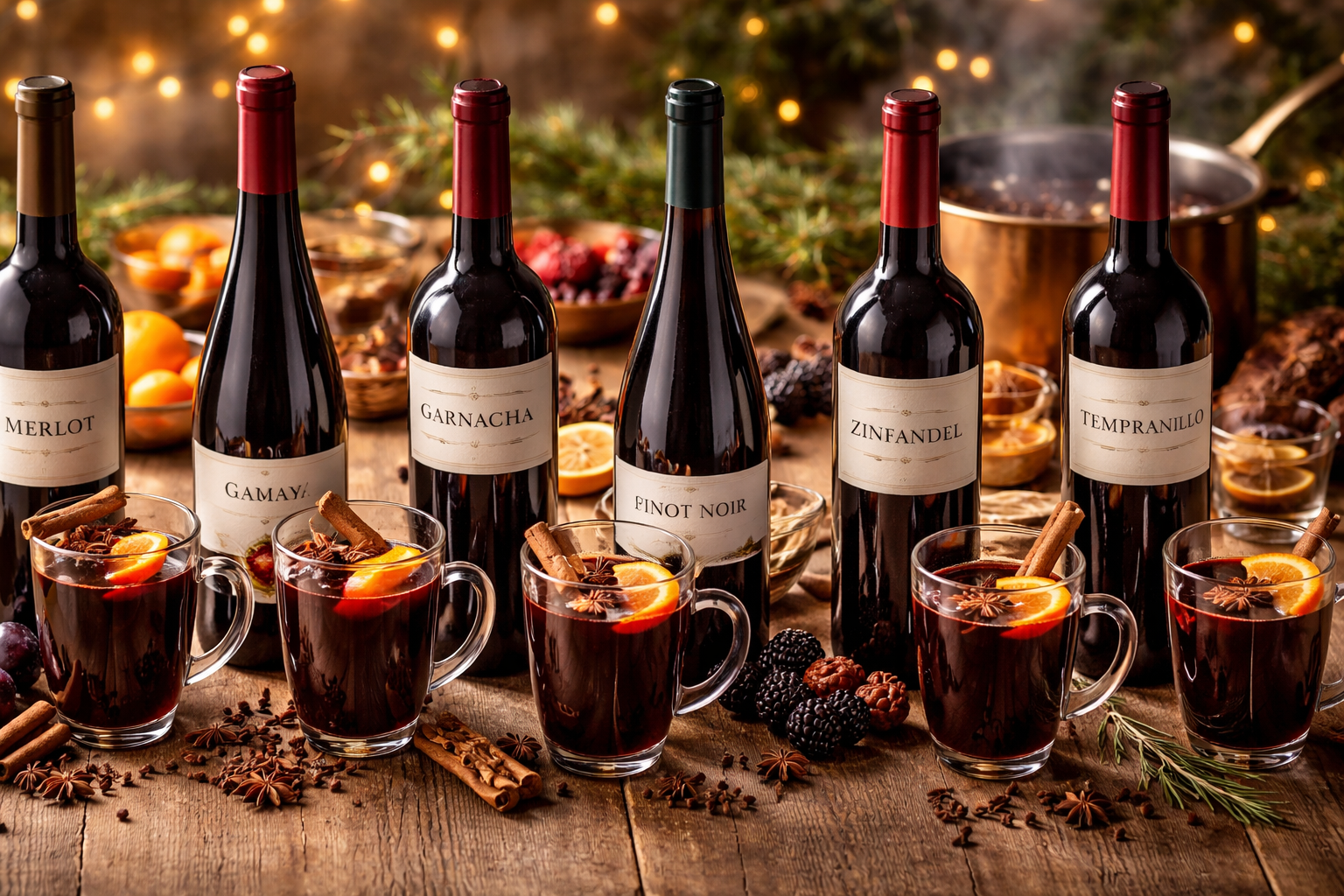
Different reds give you different mugs. This is where choice gets fun.
| Style | What it tastes like in vin chaud | Best for | Watch out for |
|---|---|---|---|
| Merlot | Round, plumy, easy | Crowds and first-timers | Heavy oak |
| Gamay / Beaujolais | Bright, lively, red-fruit led | Citrus-led pots | Too much clove can bury it |
| Garnacha / Grenache | Juicy, spicy, warm | Richer holiday style | Overripe sweet examples |
| Pinot Noir | Lighter, lifted, cleaner | Gentler spice bills | Can disappear in heavy recipes |
| Zinfandel | Dark fruit, richer, plush | Brandy-spiked batches | Can get sweet fast |
| Tempranillo | Drier, tidier, savory edge | Less-sweet vin chaud | Oak-heavy bottles |
Merlot is the bottle I suggest when someone just wants a safe answer. The Wine & Spirit Education Trust describes Merlot with plush tannins, and that softness is exactly why it behaves so well in vin chaud. It keeps body in the mug without turning stern.
Gamay and Beaujolais work when you want the drink to feel brighter and more lifted. The Beaujolais interprofessional body describes Gamay as producing supple, fruity wines that are low in alcohol, and that description maps neatly onto a lively, orange-led vin chaud.
Garnacha or Grenache is a smart pick when your recipe runs warmer and darker. Rioja’s regulatory council highlights Garnacha’s freshness and red-fruit intensity, which is why it holds up so well once spice and a little sweetness enter the mix.
Pinot Noir can be excellent, though it needs a lighter hand. Bourgogne Wines describes Pinot Noir with fresh berries and spice, with a certain freshness. That’s lovely in a cleaner vin chaud. It is not the bottle for a clove bomb.
My short list: Merlot for the easiest all-rounder, Gamay for brightness, Garnacha for a richer mug, Pinot Noir for a lighter one, and Zinfandel only when you know you want more weight and don’t plan to sweeten much.
When White Wine for Vin Chaud Actually Works
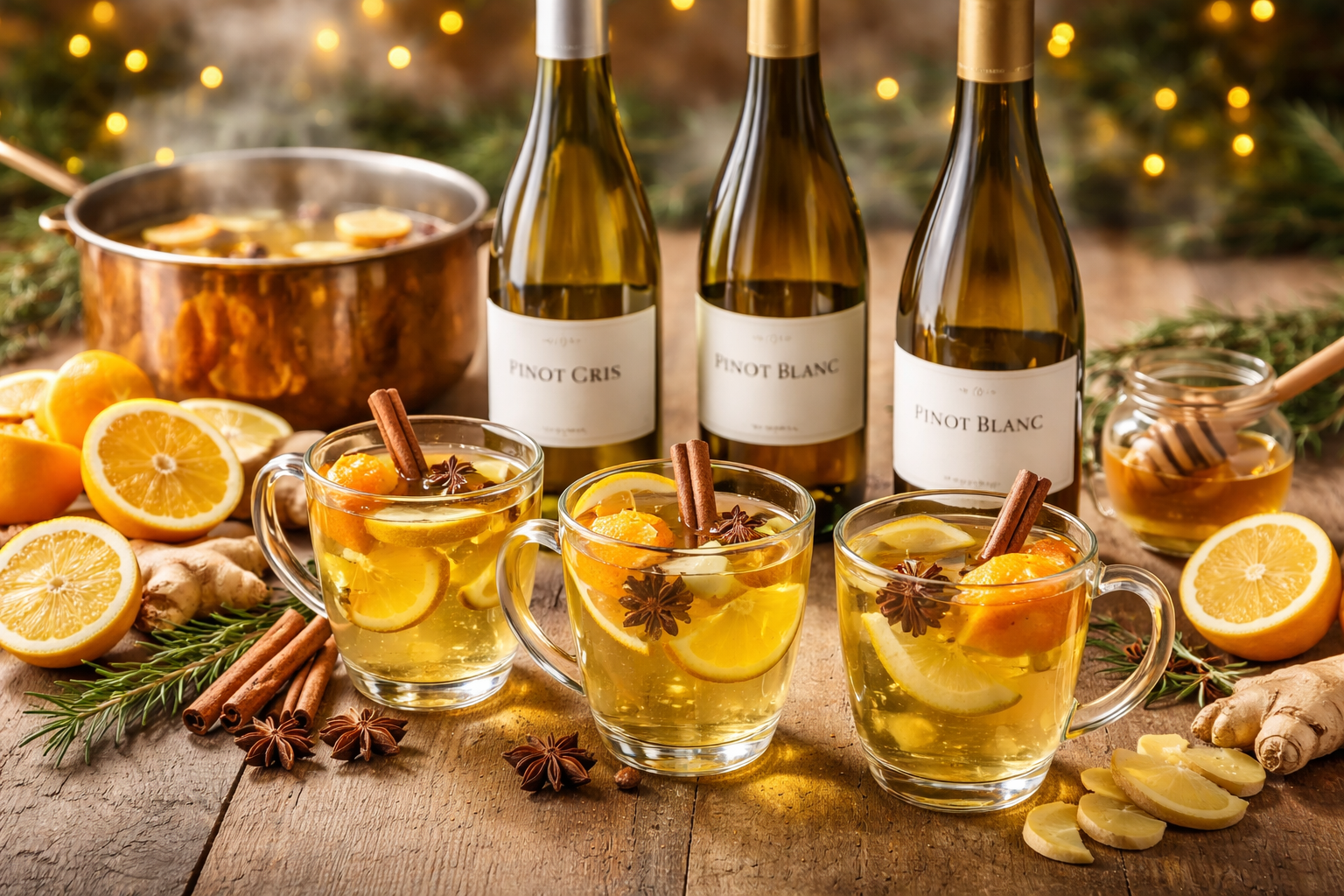
White vin chaud is not a gimmick. It just needs a different mood.
If you want a brighter, more fragrant, less wintry-heavy mug, a white can work beautifully. Think citrus peel, ginger, a little honey, maybe a gentler spice load. Pinot Gris, Pinot Blanc, and fuller aromatic whites do a better job than lean, severe whites that already taste sharp when cold.
The trap is using a buttery, heavily oaked Chardonnay. That combination with cinnamon and orange can get swampy fast. White vin chaud usually shines when the wine has aroma and some body, but not a loud barrel signature.
You also want to ease off the clove and star anise a bit. Red wine can carry darker spice. White wine gets crowded more easily. When I make a white version, I cut the clove way down, keep the citrus fresh, and let the wine stay visible.
If you like the Italian side of this family of drinks, the bottle logic overlaps a lot with best wine for vin brule. The names shift. The practical choice stays pretty close.
Good white vin chaud rule: aromatic and rounded, yes. Oaky and buttery, no. Already sweet, tread carefully.
Match the Bottle to Your Vin Chaud Recipe, Not Just the Label
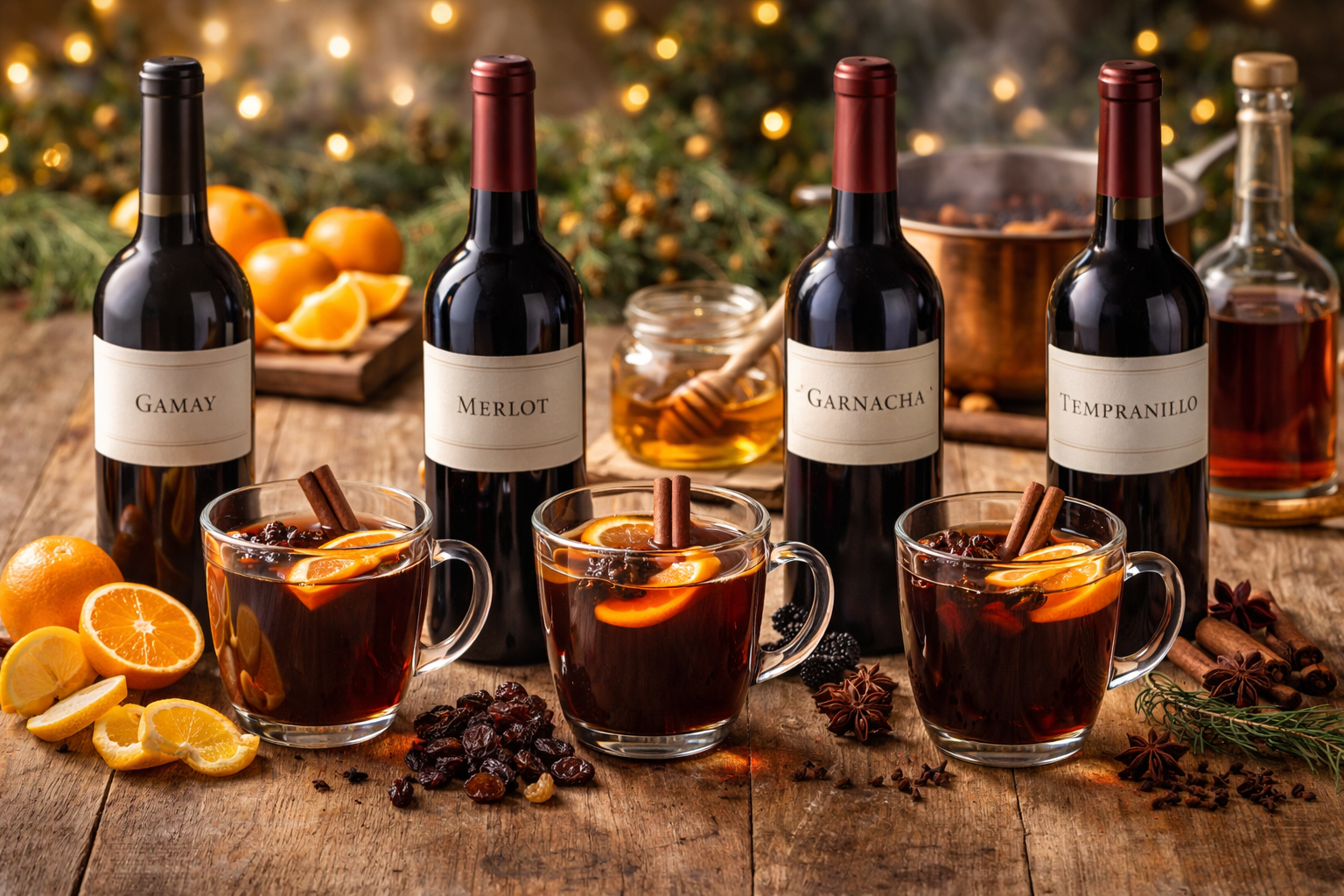
This is the piece most people skip, and it changes the result more than you’d think.
If your recipe uses lots of orange peel or orange juice, reach for something brighter like Gamay, Beaujolais, or a fresher Garnacha. Those wines meet citrus halfway instead of fighting it.
If the recipe uses more sugar, honey, maple, or dried fruit, start drier than you think. A clean Tempranillo or a softer but dry Merlot gives you room to sweeten without turning sticky.
If you add Cognac or brandy, the wine needs enough fruit and shape to stay upright. Garnacha and Zinfandel usually do better than a delicate Pinot Noir there. Pinot can taste pretty at first and then just sort of vanish.
If the spice bill is light, Pinot Noir and Merlot can be elegant. If the spice bill is heavy, especially with lots of clove and star anise, step up to Garnacha, Zinfandel, or a sturdier Merlot.
Recipe-to-bottle cheat sheet
| If the recipe leans… | Choose | Skip |
|---|---|---|
| Bright and citrusy | Gamay, Beaujolais, fresher Garnacha | Oaky Rioja, dense Cabernet |
| Sweeter and richer | Dry Merlot, Tempranillo | Jammy sweet red blends |
| Spirit-spiked | Garnacha, Zinfandel | Delicate Pinot Noir |
| Lightly spiced | Pinot Noir, Merlot | Overripe big reds |
Choose the bottle for the mug you want, not the bottle you’d want to sip on its own. That little mental flip saves a lot of mediocre pots.
And if the holiday drink in mind leans toward apple, cranberry, or a more orchard-fruit style, the buying logic starts drifting toward best wine for wassail instead.
The Wines That Turn Vin Chaud Bitter, Flat, or Too Sweet
Bad vin chaud usually comes from one of four bottle mistakes.
Big tannic reds are the first one. Cabernet Sauvignon can work at the edges if it is young, soft, and not too oaky, but as a default it is risky. Heat and spice pull the rougher parts forward.
Heavily oaked wines are the second. Toast, vanilla, cedar, smoke, and sweet spice from oak might sound cozy, but stacked on top of cinnamon and clove they can taste oddly woody or cluttered.
Already-sweet reds are the third. Add orange, sugar, honey, and warm serving temperature, and the drink can go from plush to syrupy in a hurry.
Delicate reds in aggressive recipes are the fourth. Pinot Noir in a restrained batch can be lovely. Pinot Noir under a heavy hand with clove, star anise, sugar, and brandy can disappear. Then the mug tastes like hot spice and not much else.
If the pot tastes off, here’s the likely cause
- Bitter or drying: too much tannin, too much clove, or both
- Woody or muddy: too much oak in the wine
- Flat: fruit-light wine or overcooking
- Too sweet: ripe or sweet wine plus too much added sugar
The point is not “never use this grape.” It’s more practical than that. Some bottles are forgiving. Some are touchy. Vin chaud loves forgiving wines.
How to Pick a Bottle Fast Without Overspending
You do not need a fancy bottle for vin chaud. You do need one you’d still happily drink in a normal glass.
That’s the sweet spot. Too cheap and the flaws get warmed up along with the wine. Too expensive and you’re paying for detail the pot will blur. Entry-level to lower-mid shelf wines are usually where the best buys live.
Boxed wine can work for big party batches if the style is right. Look for dry to near-dry, fruit-led, soft reds with little oak talk on the packaging. If the box sounds easygoing, it often is. If it sounds brooding and barrel-driven, keep moving.
I shop this category by back-label language more than by region. “Smooth, juicy, ripe red berries” is a better sign than “layered structure and toasted oak.” One sounds good hot. The other sounds like homework.
Fast store rule: buy smart, not noble. Soft Merlot, Beaujolais, Garnacha, and simple Tempranillo are usually safer than wines sold on power, barrel, and “depth.”
For more broad cold-weather bottle ideas outside mulled drinks, best wine for winter is a useful next step.
Warm Vin Chaud Gently So the Wine Still Tastes Like Wine
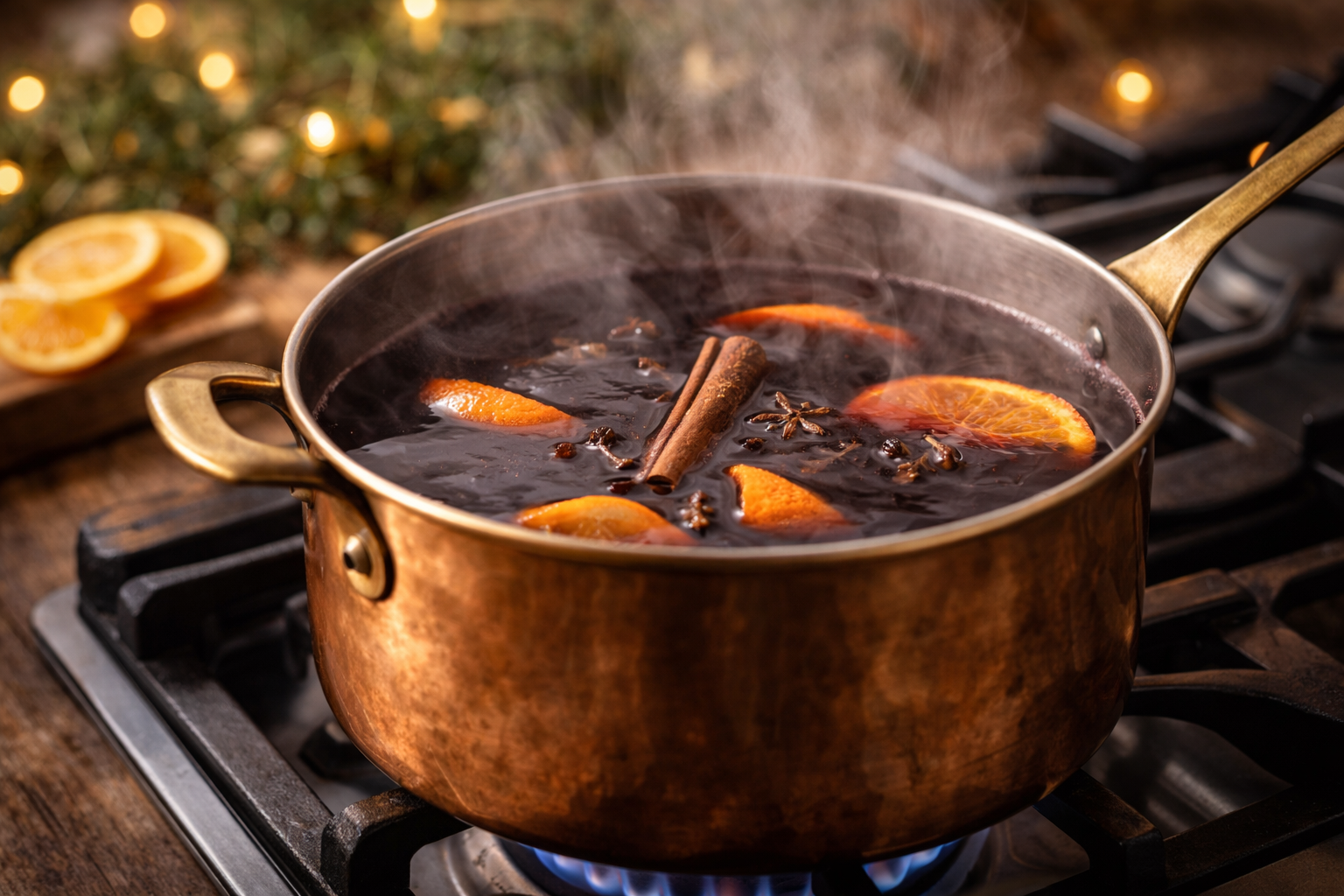
The right bottle can still get wrecked by rough heat.
Warm vin chaud gently. Do not let it boil hard. A fierce simmer drives off aroma, flattens fruit, and makes any tannin or bitterness stand out more. You want the pot hot and steamy, not bubbling like soup.
If you’re unsure about a bottle, do a one-cup trial first. Pour in about 1 cup of wine, add a small strip of orange peel, half a cinnamon stick, and 1 or 2 cloves. Warm it gently for 5 minutes, taste, then give it another few minutes. That tiny test tells you almost everything you need to know.
Make-ahead works fine too. Infuse the wine gently, strain if you like a cleaner mug, cool it, and rewarm slowly before serving. That method is especially nice when you want the spices to stay controlled and not keep pushing darker.
A simple rule to keep: if the wine smells less like fruit every minute it sits on the heat, pull it back. Vin chaud should smell spiced, yes, but it should still smell like wine.
FAQ
Can you use boxed wine for vin chaud?
Yes, if the style is right. A dry or near-dry boxed red with soft fruit and little oak can work very well for party-sized batches. Skip boxed wines sold on barrel notes, heavy structure, or sweetness.
Is Beaujolais better than Merlot for vin chaud?
Not across the board. Beaujolais is better for a brighter, citrus-led, lighter-feeling vin chaud. Merlot is better for a rounder, safer crowd-pleaser. Pick by recipe and mood, not by prestige.
Can you use leftover open wine for vin chaud?
Yes, if it still tastes sound and has not gone flat or vinegary. The one-cup pilot test is the easiest check. If the warmed sample tastes thin, woody, or tired, don’t scale it up.