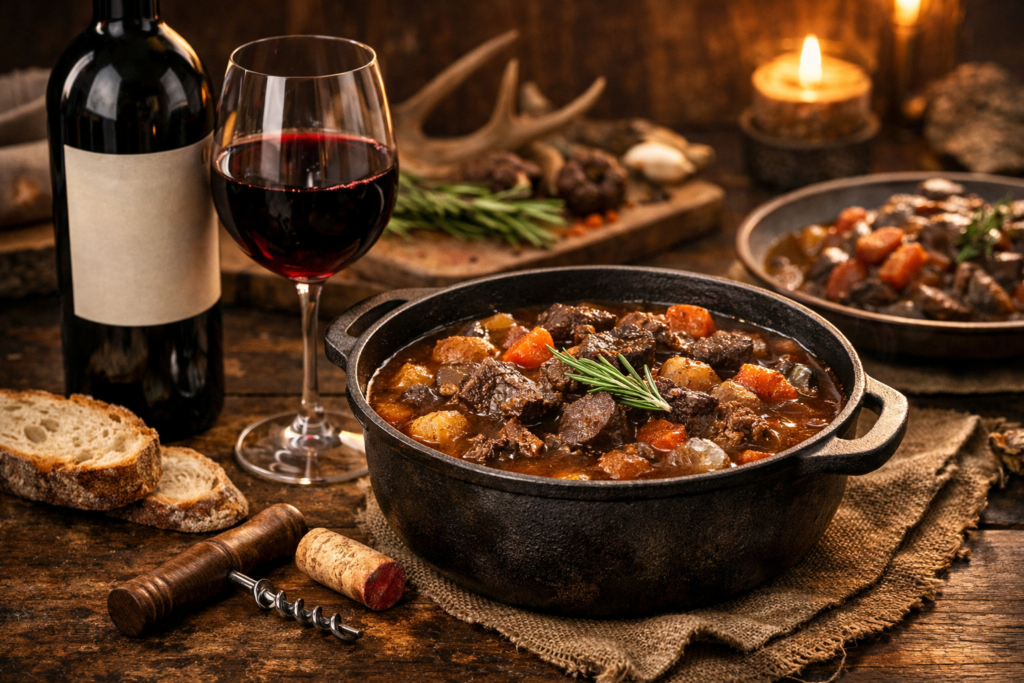
I’ve watched this go sideways more than once. The stew is deep, dark, and smelling like a Sunday well spent. The bottle looks serious. Then the first sip lands and the whole bowl tastes flatter, hotter, or oddly bitter. If you want the best wine for venison stew, start with Syrah or Shiraz. A restrained Cabernet-led red or a good Malbec are strong backups. If the stew leans brighter with mushrooms, herbs, or tomato, move toward Pinot Noir or Barbera.
That short answer works because the meat and the pot are pulling in two directions. The USDA notes that wild game is leaner than its domestically raised counterpart, so venison can make a very hard, tannic red feel sharper than it would with fattier beef. At the same time, stew builds richness through stock, onions, reduction, and often bacon or mushrooms. So the bottle has to match both.
That is where people get tripped up.
- Which wine styles are the safest first picks
- How the sauce changes the answer faster than the meat name does
- When Syrah, Cabernet, Malbec, Barolo, or Pinot Noir fit best
- Which bottles make venison stew taste bitter, boozy, or muddy
- Whether to cook and serve the same wine
- How to buy a good bottle fast without acting like you packed a sommelier in your coat pocket
At a glance: pick your lane
| If the stew tastes like… | Start with… | Good backup |
|---|---|---|
| Dark, rich, peppery, slow-reduced | Syrah / Shiraz | Cabernet-led red |
| Plush, meaty, softer fruit, no harsh edges | Malbec | Rhône-style blend |
| Mushroom-led, herbal, a bit brighter | Pinot Noir | Barbera |
| Tomato-led or sharper with acidity | Barbera | Fresher Pinot Noir |
| Sweet-savory with prunes, berries, or cocoa | Softer Rhône-style red | Rounder Zinfandel |
Fast rule: match the weight first, then tune for sauce, mushrooms, tomato, or sweetness.
The best wine for venison stew, in one clear answer
For most bowls, the safest first pick is Syrah or Shiraz. It has the dark fruit, pepper, and savory pull that classic venison stew likes, and it usually has enough shape to stand up to the dish without turning the meal into a tannin contest. Wine Australia’s Shiraz guide describes the grape around black fruit, pepper, and spice, which is more or less the flavor bridge you want with game, stock, onions, and browned meat.
If your stew is darker, more reduced, or built with bacon and a firmer stock base, a Cabernet-led red can work beautifully. If you want something rich but less stern, Malbec is often the easy winner. If the pot is more about mushrooms, herbs, or a brighter finish, Pinot Noir or Barbera usually make more sense than brute-force reds.
Short version: Start with Syrah/Shiraz. Move to Cabernet when the stew is denser and darker. Reach for Malbec when you want a softer, plush red. Go Pinot Noir or Barbera when the stew feels lighter on its feet.
The mistake here is buying by the word “venison” alone. Venison is lean. Stew is rich. Those are not the same thing, and the bottle has to answer both.
Read the stew before the bottle
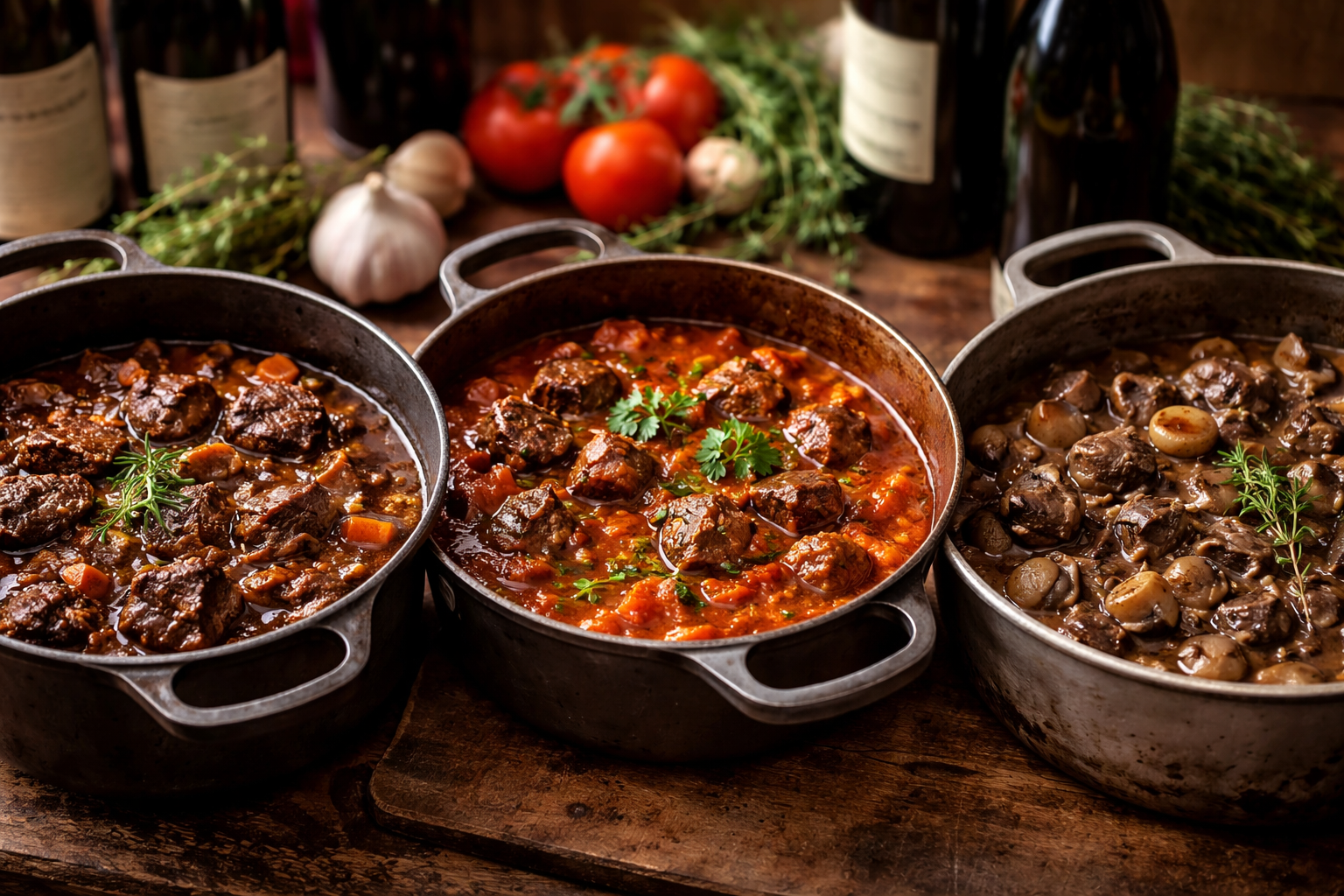
WSET’s pairing guide explains how salt, acidity, and fat can soften an astringent, tannic wine. That matters here because venison stew is never just venison. A bowl with bacon, stock, and reduced juices can absorb more structure than a leaner, brothier version. A stew with tomato paste wants more freshness. A pot full of mushrooms changes the mood from dark-fruit power to earthy detail.
I’ve had this happen with two bottles on the same night. One Syrah felt planted and right. The young Cabernet next to it tasted like it arrived in dress shoes for a muddy field. Same table. Same stew family. Different sauce balance.
Think of the stew as the loudest voice in the room. The meat matters, sure, but the liquid usually decides the pairing. If the stew tastes dark, peppery, and reduced, go one step fuller. If it tastes brighter, more herbal, or more mushroom-led, go one step fresher.
That same logic is why the braise matters more than the protein headline in best wine for beef bourguignon pairings too. The bottle follows the sauce first and the meat second.
Read the pot in 10 seconds
- If it tastes dark and reduced, move fuller
- If it tastes bright or tomato-led, move fresher
- If mushrooms are leading, look for earth before raw power
- If sweetness shows up, avoid hard, bone-dry severity
Syrah, Cabernet, Malbec, Barolo, or Pinot Noir? Pick the right lane
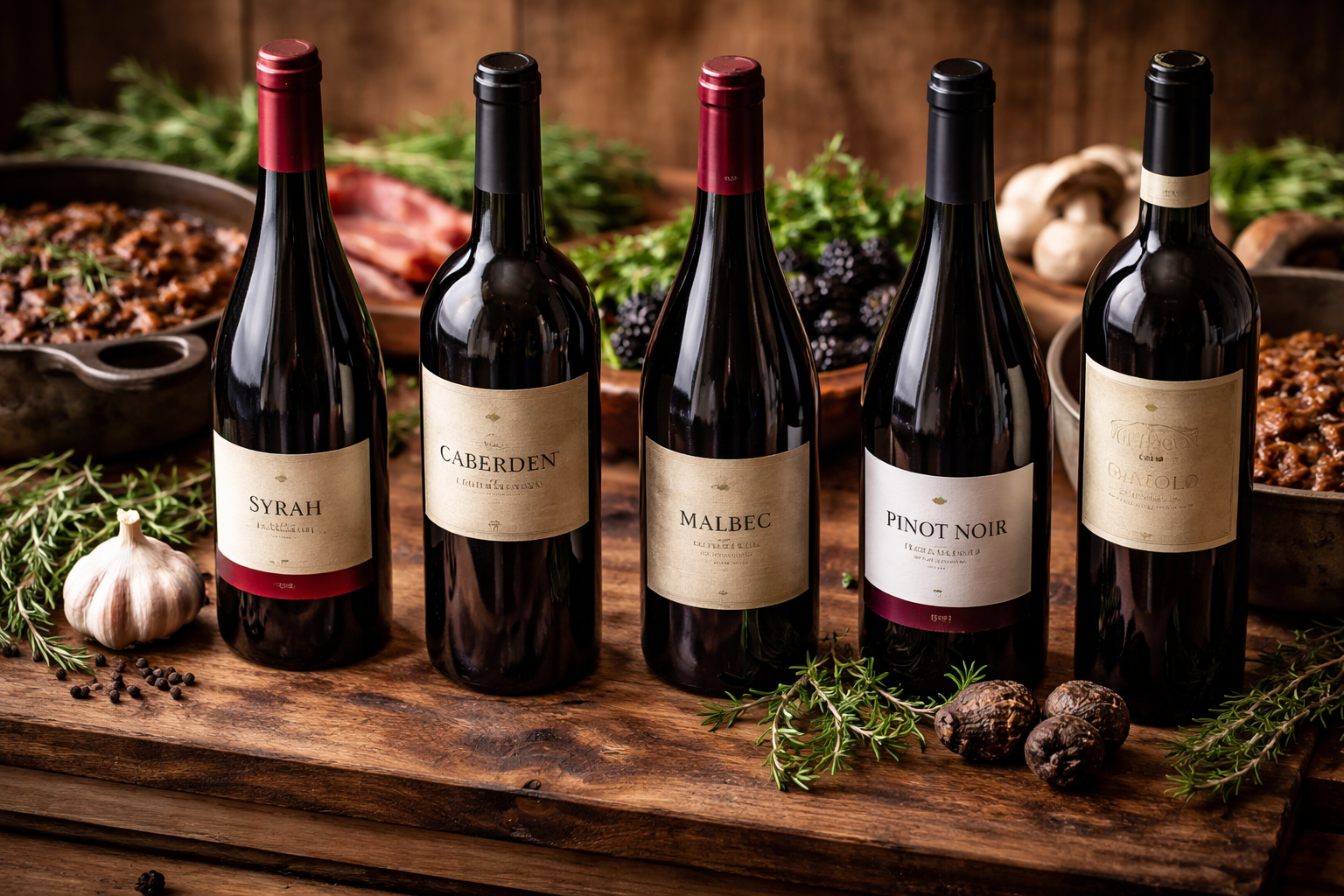
This is the part most pages rush. They name the grapes, maybe throw in a famous region, and then leave you to sort out the tradeoffs in the shop aisle. The tradeoffs are the whole game.
| Wine style | Best when the stew is… | Watch out for… |
|---|---|---|
| Syrah / Shiraz | Classic, savory, peppery, dark, wintery | Overripe jammy bottles |
| Cabernet-led red | Dense, reduced, meaty, bacon-heavy | Young, hard tannin when the stew is leaner |
| Malbec | Rich and plush, but you want fewer sharp edges | Flabby, sweet-fruited styles |
| Pinot Noir | Mushroom-led, herb-led, brighter, less heavy | The heaviest, darkest stew builds |
| Barolo | Special-occasion, deeply savory stew with enough depth to carry it | Buying it just because it sounds grand |
Syrah is the all-rounder. Pepper, spice, dark fruit, and savory grip make it feel like it was built with game stew in mind. That does not mean every Shiraz works. Big, jammy, chocolatey versions can feel too soft and too sweet with a serious venison braise. The sweet spot is the bottle that smells like pepper, herbs, dark berries, and smoke rather than blueberry syrup. Wine Australia’s profile for Shiraz is a useful shorthand here because it leans right into black fruit, spice, and pepper.
Cabernet is more exacting. Wine Australia describes Cabernet Sauvignon around lots of tannin and bright acidity, which is why it can be brilliant with a dark, bacon-rich, slow-reduced pot and a bit punishing with a leaner, brothier one. When Cabernet works here, it feels clean, upright, and serious. When it misses, it tastes like the wine is arguing with dinner.
Malbec is the friendlier lane. You still get dark fruit and body, but the structure often feels rounder and less rigid. That makes it a smart call when you want a rich red and you do not feel like babysitting tannin.
Pinot Noir is the elegant exception. It is not too light by default. It is too light only when the stew is built like a heavyweight. If the bowl leans toward mushrooms, herbs, onion sweetness, and a cleaner finish, Pinot can be lovely. It lets the food breathe a bit.
Barolo is the splurge lane, not the default lane. If the stew is deep, savory, and fully in rhythm, Barolo can be gorgeous. If you buy it just because it is famous, you can spend a lot of money to feel slightly annoyed at dinner.
Match the wine to your version of venison stew
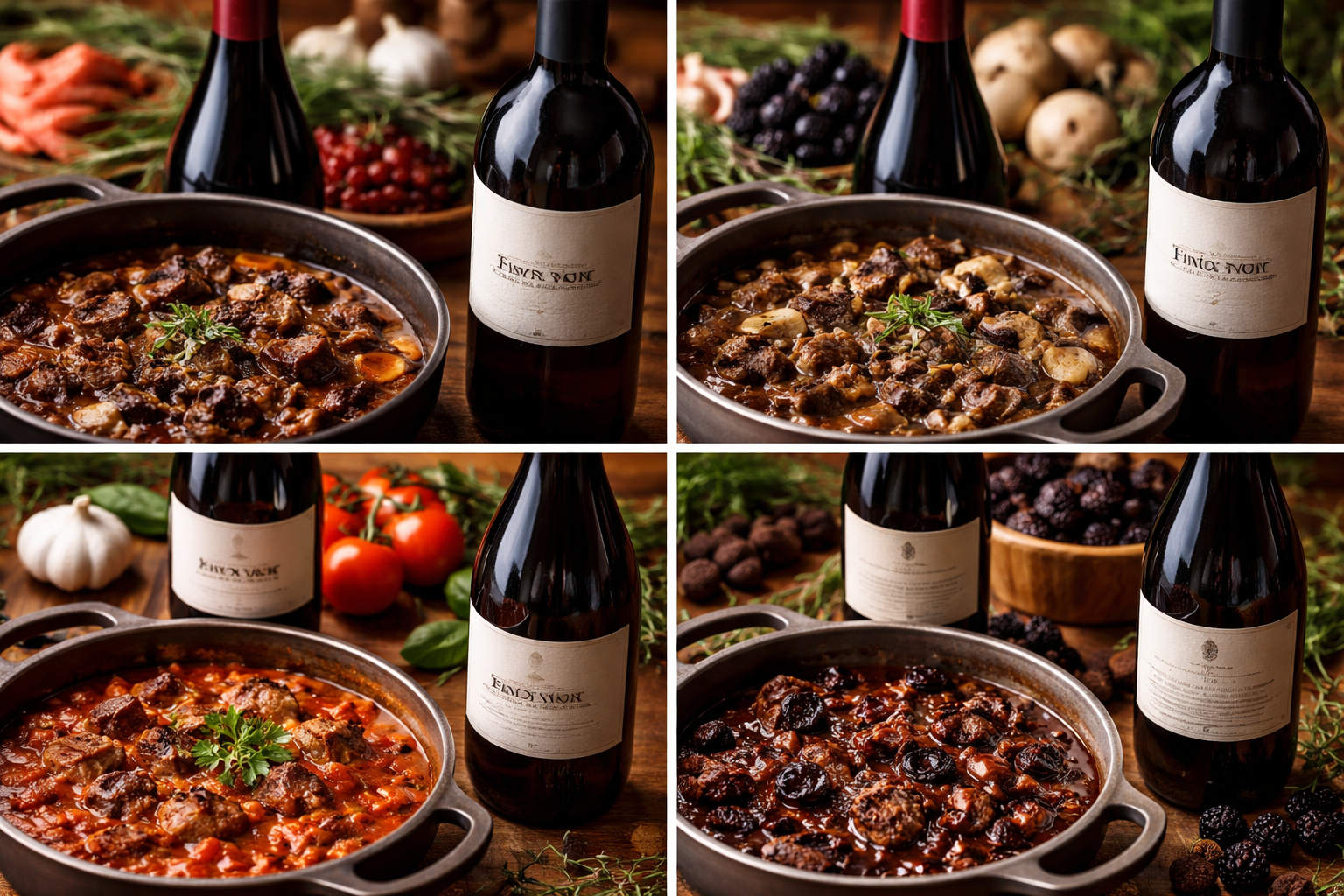
There is no single venison stew. There are a bunch of them hiding under one name. Once you sort the bowl into a real category, the bottle choice gets easier fast.
Classic dark winter stew
If the stew is dark, stocky, and slow-reduced with onions, root veg, and maybe bacon, stick with Syrah, a restrained Cabernet blend, or Malbec. This is the version that can carry more structure and more savory depth without feeling pushed around.
Mushroom, juniper, and herb-led stew
Mushrooms shift the pairing. They drag the dish toward earth and umami rather than plain meatiness. Pinot Noir often shines here, and Syrah still works when the pepper and herb line is strong. Barbera can be a slyly good pick too, especially if the stew is not especially thick.
Tomato-led stew
Once tomato paste or a brighter acidic edge shows up, freshness matters more. Barbera is a very smart move here because the acidity keeps pace with the dish instead of collapsing under it. Pinot Noir can work too, but the wine needs enough snap to keep the bowl from tasting sweeter and heavier than it should.
Sweet-savory stew
If the recipe uses prunes, berries, cocoa, or a sweet glaze note, go softer and rounder. Rhône-style blends make more sense than hard Cabernet here. Zinfandel can work when the stew really does have a sweet-savory pulse, but only if the bottle still feels dry. Too much ripeness and the whole pairing turns sticky.
White-wine braised venison
Yes, this can work. If the braise is built on white wine, herbs, and a lighter broth rather than a dark reduction, you do not need to force a red at the table. A dry, restrained white with enough body can suit it. And if the sauce leans creamy or lemony, the logic from best wine for white wine sauce pairings carries over cleanly.
Useful filter: Ask what the spoon leaves behind. Pepper and reduction point one way. Tomato and herbs point another. Mushrooms, weirdly enough, are often the decider.
Avoid the bottles that turn venison stew bitter, hot, or muddy
A few wine styles miss this dish over and over. The first is the heavily oaked red that smells like vanilla, mocha, and toasted wood before it smells like fruit. In a long braise, that kind of bottle can turn the whole pairing muddy. You lose the clean line between the savory stew and the wine.
The second miss is the very jammy, high-alcohol red. Those bottles can taste plush on their own. Next to hot stew, they get tiring fast. Dinner starts to feel thick, hot, and sweet. Not fun.
The third is a very young, tannic Cabernet when the stew itself is not rich enough to soften it. That is the dinner-table version of over-tightening a screw. It does not make the fit better. It just makes it harsher.
And then there is salted cooking wine. Skip it. If you are cooking with wine at all, use a bottle you would actually drink. The point is flavor, not a chemistry experiment that got left near the soy sauce.
If the pairing goes wrong, this is usually why
- Bitter: too much tannin or too little fat in the stew
- Hot: too much alcohol in the wine
- Muddy: too much oak and sweet spice
- Flat: not enough acidity for the sauce
Use a 30-second shelf test and buy with less guesswork
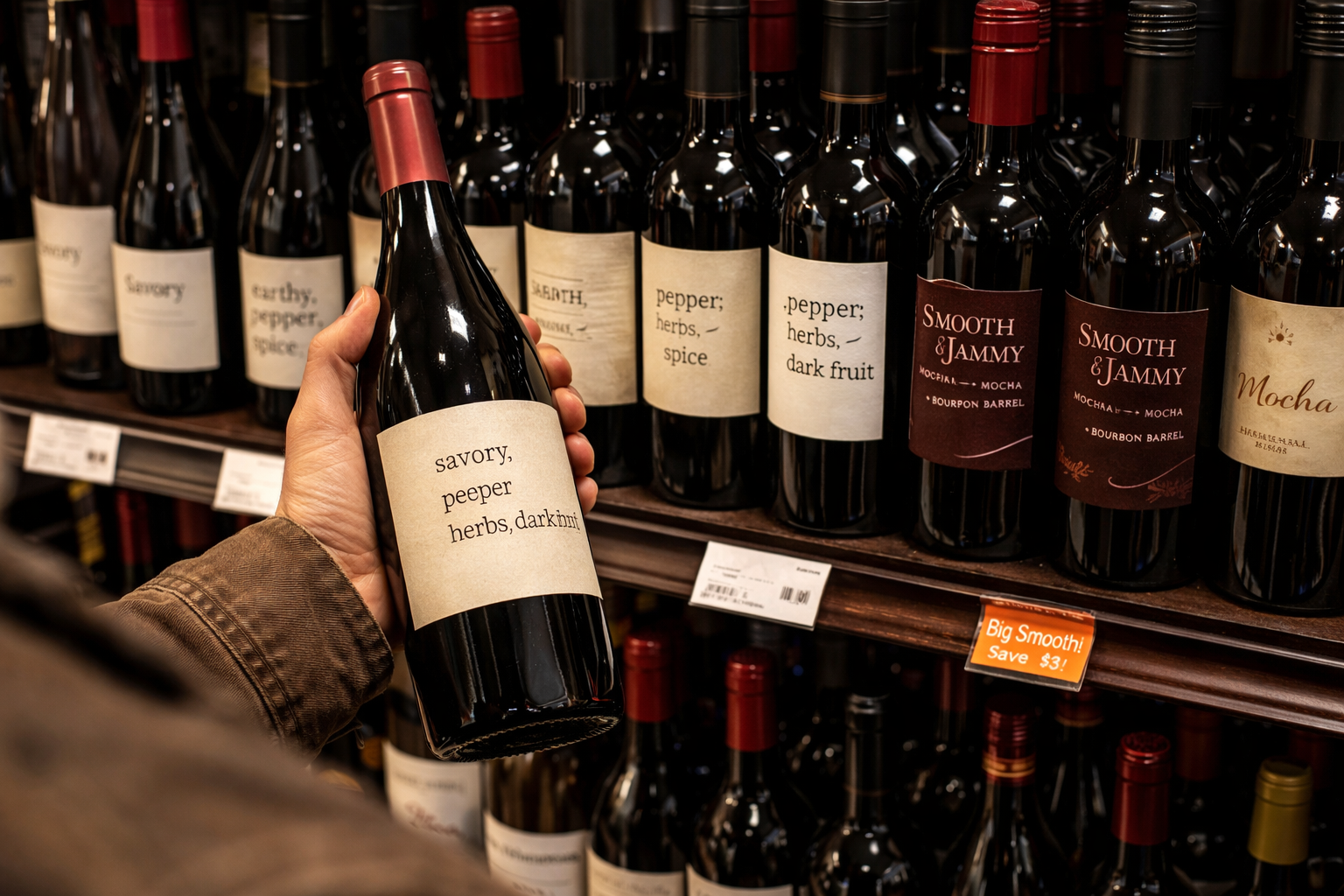
You do not need a region map and a pocket notebook. You need a fast filter.
Step 1. Scan for food-friendly language
Look for clues like pepper, savory, earthy, dark fruit, fresh, herbs, or spice. Those words do not guarantee a good bottle, but they often point in the right direction for game stew.
Step 2. Back away from dessert-adjacent red language
If the label or shelf talker leans on jammy, luscious, mocha, sweet spice, or bourbon barrel, be careful. That lane can work for barbecue. It is usually clumsy with venison stew.
Step 3. Buy for dinner, not for drama
Prestige is not the point. Drinkability is. A peppery Syrah, a fresher Malbec, or a clean Cabernet blend that actually wants food will beat a more famous bottle that is trying to be the whole evening.
Step 4. Let the season help you, not boss you around
Cold-weather food often likes fuller reds, and that broad logic fits the stew. The more general ideas in best wine for winter still hold up here. Hearty braises want shape, but they do not always want the biggest wine in the shop.
Shelf shortcut: For a classic venison braise, a peppery Syrah beats a flashy “smooth and jammy” red almost every time.
Decide whether to cook and serve the same wine
You do not need the exact same bottle in the pot and in the glass. Same family is enough.
If you are making a classic red-wine venison stew, cooking with a decent Syrah, Cabernet blend, or Malbec and then serving a slightly better version of that same style makes good sense. The flavors feel related without forcing a perfect match. That is usually the sweet spot.
What you do not want is a harsh, rough cooking wine and a polished table wine that tastes like it came from another dinner. The pot and the glass should sound like cousins, not strangers.
If the stew is built on white wine, the same rule still works. Cook with a dry, drinkable white. Serve a dry, drinkable white. Keep it simple.
A simple pairing rule for venison stew every time
Match the weight first, then tune for sauce.
That one rule clears up most of the noise. If the stew is rich, dark, and savory, reach for Syrah, a Cabernet-led red, or Malbec. If the bowl feels brighter, more herbal, or more mushroom-led, slide toward Pinot Noir or Barbera. If sweetness shows up in the recipe, stop chasing power and start looking for a rounder red that stays dry.
The bottle does not win by sounding impressive. It wins when the next spoonful tastes better after the sip. That is the whole job.
FAQ
Is Rioja a good substitute if Syrah or Malbec is not on the shelf?
Yes, if it is a drier, more savory Rioja and not a plush, sweet-fruited style. Rioja works best with venison stew when the wine brings spice, moderate tannin, and enough freshness for the sauce.
Should red wine be slightly chilled with venison stew?
A little, yes. If the bottle is warm from the room, 15 to 20 minutes in the fridge can tighten it up in a good way. That small chill often helps alcohol feel less loud next to hot stew.
Does wild venison pair differently from farmed venison in stew?
Often, yes. Leaner, more gamey venison usually likes a wine with savor and freshness rather than sheer weight. Richer farmed venison or a stew with more bacon and reduction can handle a firmer red more easily.
: