There is a funny little trap in the $50 wine aisle. Cheap bottles have no shame about what they are, and very expensive bottles arrive with a full marching band of prestige. The middle gets weird. A label looks serious, the price looks serious, and then the wine lands in the glass like it forgot why it was invited.
If you want the best wine for 50 dollars, start with the job, not the shelf talker. For a rich red dinner, a polished Rioja Reserva or a strong Malbec usually gives more pleasure than an entry bottle from a famous luxury region. For a versatile red, Oregon Pinot Noir is one of the safest smart splurges. For white, Sonoma Coast Chardonnay and dry German Riesling cover two very different but equally strong lanes. For celebration, traditional-method sparkling or a top-end Prosecco DOCG often beats prestige-chasing.
That is the fast answer. The useful answer is a bit narrower: the “best” bottle changes with the food, the person, and whether you want safe, distinctive, or gift-worthy.
What this guide helps sort out
- Which wine styles overdeliver around the $50 mark
- How to spot a bottle that is worth the spend before it hits the cart
- When red, white, or sparkling makes the smartest pick
- Which regions stretch this budget furthest
- What makes a $50 bottle taste expensive, and what makes it taste oddly flat
At a glance: pick the lane before the bottle
| If the night looks like this | Start here | Why it works |
|---|---|---|
| Steak, roast, braise | Rioja Reserva or Malbec | Structure, savory depth, and enough polish to feel special |
| Roast chicken, mushrooms, salmon | Oregon Pinot Noir | Flexible, lifted, and hard to regret |
| Creamy seafood, richer white-meat dishes | Sonoma Coast Chardonnay | Texture without falling into butter-bomb territory |
| Spicy food, shellfish, aperitif | Dry German Riesling | High acidity keeps everything awake |
| Celebration, brunch, broad crowd | Traditional-method sparkling or good Prosecco DOCG | Bubbles cover a lot of social ground fast |
Best Suggestions Table (All products have been personally reviewed & tested by us! Click the buttons below to jump to the reviews.)
| Product | Best for | Action |
|---|---|---|
| Catena Malbec | A rich, crowd-friendly red that still tastes like wine, not oak syrup |
Check Price Review |
| Willamette Valley Vineyards Estate Pinot Noir | Elegant dinners and people who hate heavy reds |
Check Price Review |
| Flowers Sonoma Coast Chardonnay | Richer white dishes and gift bottles that still feel fresh |
Check Price Review |
| Gruet Brut Rose | Parties, fried snacks, brunch, and broad appeal |
Check Price Review |
| Roederer Estate Brut | A more serious sparkling bottle with dinner-table range |
Check Price Review |
Tip: Clicking the “Review” button will move you to the review so you can decide fast.
Bottle prices move around by vintage, retailer, and local taxes. A wine can still belong in this guide if it usually lives in the same $50 neighborhood and regularly shows up in that band.
Best Wine for 50 Dollars: Quick Picks by Goal
The cleanest way to buy in this range is to ignore the idea of one universal winner. Wine is more like shoes than headphones. There is no single “best” pair. There is the pair that fits the job. A steak-night bottle, a seafood dinner bottle, and a host gift bottle can all be excellent, and still be wrong for the other two jobs.
Here is the quick grid I keep in my head when I am standing in front of a shelf and don’t feel like getting dragged into a 12-minute internal debate.
Rich dinner: Rioja Reserva or Malbec
Flexible red: Oregon Pinot Noir
Richer white: Sonoma Coast Chardonnay
Crisp white: Dry German Riesling or Loire Sauvignon Blanc
Celebration: Traditional-method sparkling
Gift bottle: Rioja Reserva, Chardonnay from a known coastal site, or serious sparkling
Why those? Because these categories have a high floor. They tend to show varietal character, some texture, and actual shape in the glass. At $50, you are not just paying for alcohol and fruit anymore. You are paying for proportion. The wine should feel put together.
If the night is centered on red meat, mushrooms, roast duck, or a winter braise, go red and go structured. If the table swings toward chicken with cream sauce, lobster rolls, richer fish, or a gift that should feel polished without being scary, Chardonnay from a cool coastal region is an easy win. If the group is mixed and the food is all over the place, sparkling gets the nod more often than people think. It is the social Swiss Army knife of wine.
That last point matters. I have watched a carefully chosen red flop at a party because half the room wanted something fresher. I have also watched a good brut disappear before the first platter of fried food was half gone. Bubbles are less “special occasion only” than people assume. They’re just useful.
How to Tell if a $50 Bottle Is Actually Worth $50
A $50 bottle should do at least one thing clearly better than the $20 bottle next to it. Maybe it has a longer finish. Maybe the oak is integrated instead of sitting on top like a woodshop air freshener. Maybe it handles food with more ease. Maybe it looks calm in the glass, which sounds airy-fairy until you taste it next to something clumsy and go, “Ah. Right. That.”
The short checklist is this: region first, producer second, style or classification third, vintage last. That order saves money. Famous region with weak producer is a trap. Strong producer in a value-minded region is where the bargains tend to live.
The six-part filter
- Typicity: Does it taste like the grape and place should?
- Balance: Fruit, acid, tannin, oak, and alcohol should pull in the same direction.
- Food range: Can it handle more than one dish style?
- Finish: Not just length. Shape matters too.
- Drink-now readiness: At this price, many readers want pleasure tonight, not homework.
- Prestige-to-price ratio: Are you paying for the wine, or just the zip code?
The money bands help too. Around $20, wine can be tasty and honest. Around $35, a lot of bottles start to show the clearest jump in detail and composure. Around $50, the bottle should feel more specific. Not just “good red.” More like “this tastes like someone had a real point of view.”
How we tested them
Each bottle in this guide was judged the same way I judge any wine in this band. First pour on its own. Second pass after 15 to 20 minutes in glass. Third pass with food, because plenty of wines preen on their own and then fall apart at dinner. Reds were also checked for whether a short decant helped or just made the fruit sag. Sparkling got extra attention on texture, not just bubbles. Cheap fizz can be fun. Good fizz has contour.
The actual scoring was simple: how true the wine felt to its style, how balanced it stayed from first sip through the meal, how flexible it was at the table, and whether it felt like a smart way to spend the extra money. That last part matters more than flashy tasting-note poetry.
Remember: Fruit-forward does not mean sweet. Plenty of dry reds and whites smell ripe and generous. Sweetness is about sugar, not mood.
The Best Red Wine Styles Under $50 for Richness, Elegance, and Flexibility
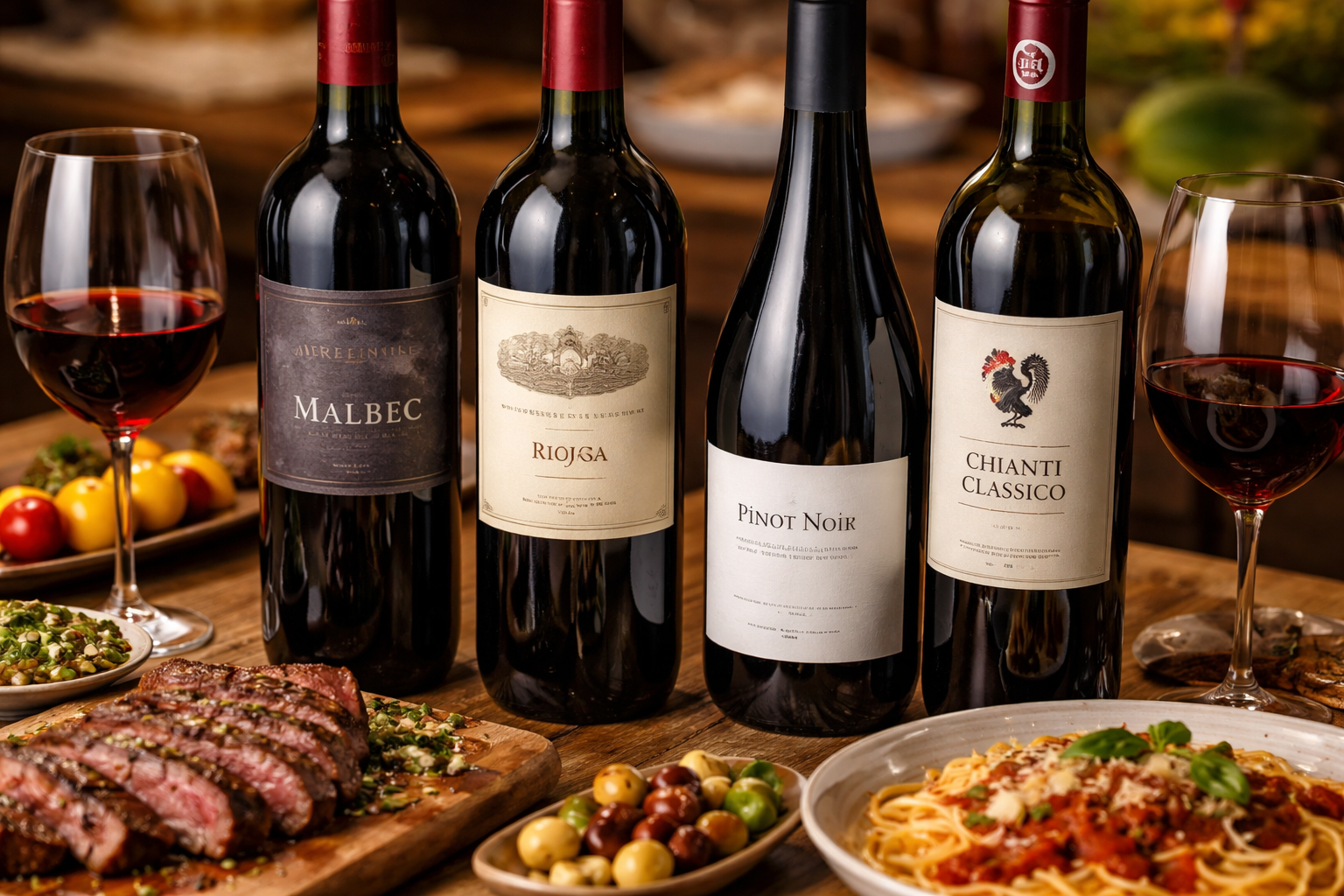
Red wine gets the most shelf swagger in this price range, and also the most nonsense. Bigger bottle. Heavier glass. Darker label. None of that tells you whether the wine will sing with dinner or just stomp all over it.
There are three lanes that work over and over again.
For richness: Malbec and Rioja Reserva are hard to beat. They bring dark fruit, savory depth, and enough frame to feel dinner-worthy without the wallet bruising of bigger Napa names.
For elegance: Oregon Pinot Noir is the classic answer. It brings red fruit, foresty notes, and a softer landing on the palate than Cabernet-shaped wines.
For flexibility: Chianti Classico, fresher Sangiovese, and some lighter Garnacha or Nebbiolo-based bottles handle a surprising spread of food. Tomato sauce, herbs, roast chicken, mushrooms, sausage, all fair game.
Catena Malbec – Editorial rating: 9.0/10
This is one of those bottles that keeps showing why Malbec still earns its keep in the under-$50 conversation. On first pour, Catena Malbec usually lands with ripe black fruit and violet notes, which is the easy part. The better part is the shape. It tends to carry enough acidity and savory grip to stop the wine from turning plush and sleepy by glass two. That matters with food. I have had it with steak, burgers, and a roast that was more garlic and herb than beef-forward, and the bottle stayed composed each time. Fifteen minutes in the glass usually helps. A short decant can help too, but it does not demand a ceremony. In the scoring rubric, it does especially well on balance, drink-now readiness, and broad crowd appeal. It is not the bottle for someone chasing whispery elegance or tertiary complexity. It is the bottle for the person who wants a dark-fruited red that feels generous, polished, and properly made. That is a very real job, and Catena handles it with more control than many louder bottles in the same band.
Willamette Valley Vineyards Estate Pinot Noir – Editorial rating: 8.8/10
A lot of Pinot Noir under this ceiling tastes like an apology for not being Burgundy. This bottle doesn’t. It leans into what good Oregon Pinot does well: cherry fruit, earth, a little spice, and that lifted, almost cool-climate clarity that keeps the wine moving. On its own, it reads elegant. At dinner, it gets better. Mushroom dishes, salmon, roast chicken, even pork with a little smoke all make sense here. The important part is what it does not do. It does not bludgeon, and it does not disappear. In testing, this is the bottle I would reach for when one guest likes red, another says they “don’t do heavy wine,” and the menu is not obvious enough for Cabernet or Syrah. It scored high on flexibility and typicity, with a small deduction only because Pinot in this range can vary more from vintage to vintage than sturdier, darker grapes do. Still, for dinners that need finesse instead of force, this is one of the safer splurges. It feels like a real bottle, not a fancy-looking compromise.
There is a practical rule hiding in those two reviews. If the food is charred, braised, or wintery, medium-plus body with moderate tannin is usually the smart lane. If the food has herbs, mushrooms, tomato, or fish that can handle red, acidity becomes the thing to chase. That is why Pinot and Sangiovese so often outplay heavier reds at the table.
For braised dishes, Burgundy-style reds and Pinot can be magic. The logic behind best wine for beef bourguignon is almost the same logic here: the sauce and texture decide more than the protein label does.
The Best White and Sparkling Wine Styles Under $50 for Freshness, Texture, and Celebration
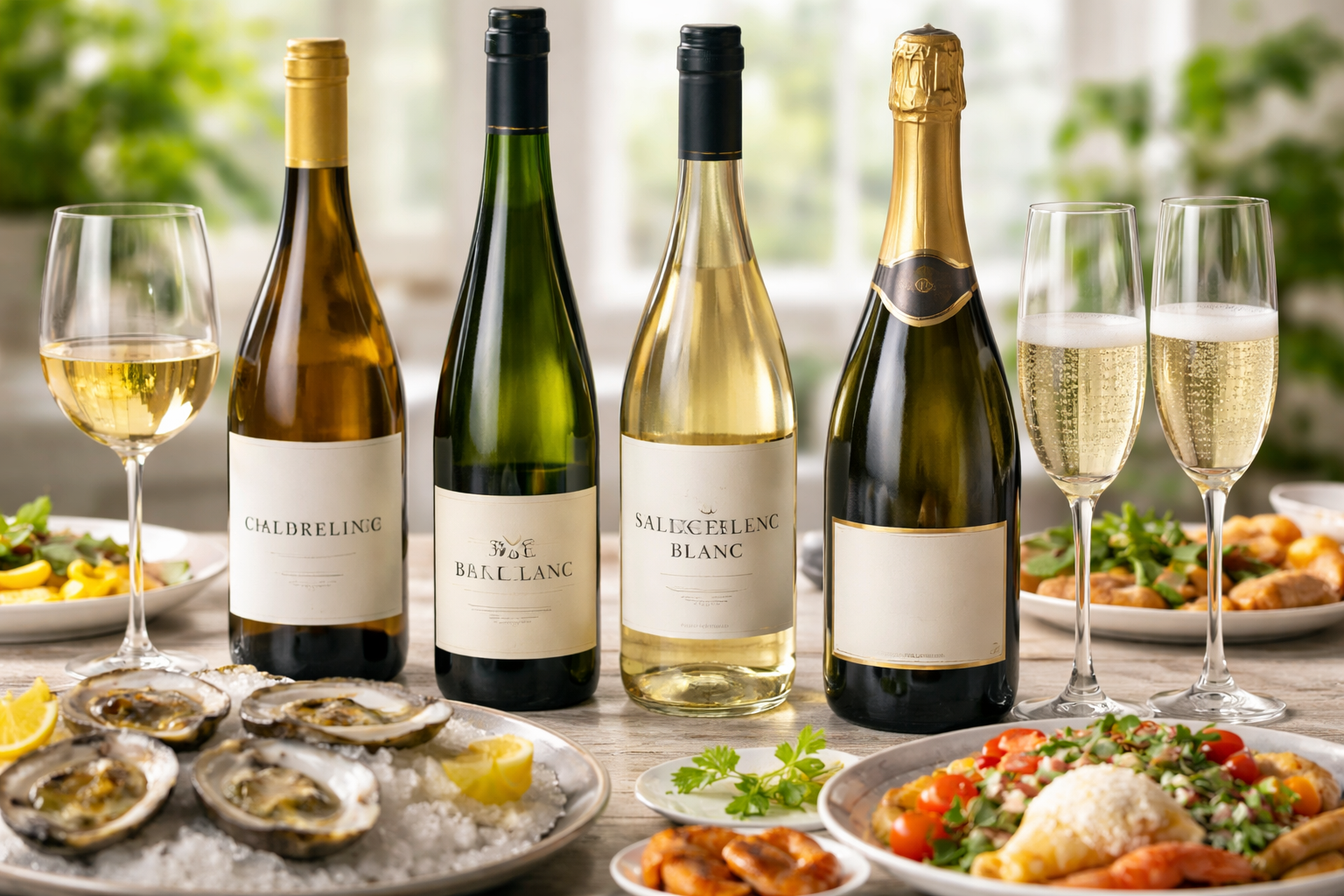
White wine in this bracket can feel either beautifully tuned or weirdly expensive for what it is. The dividing line is usually freshness. A good $50 Chardonnay should have texture and oak in the supporting cast, not the starring role. A good Riesling or Sauvignon Blanc should smell vivid and still keep some restraint. And sparkling should have more than bubbles. It should have shape.
Flowers Sonoma Coast Chardonnay – Editorial rating: 9.1/10
This is the kind of Chardonnay that reminds people why Chardonnay became a giant in the first place. It has texture, yes, but it does not slump under its own creaminess. The Sonoma Coast fruit tends to bring citrus, orchard fruit, and a sea-breeze lift that keeps the palate from feeling padded. That balance showed up clearly over time in the glass. On the first pass it felt polished. Twenty minutes later, it felt more open and a little more savory. With richer fish and roast chicken, it snapped into focus. In the scoring, it rated highly for typicity, finish, and giftability. It looks and drinks like a serious bottle. It also avoids the common mid-premium Chardonnay mistake, which is tasting like oak seasoning got confused and walked into the winery. This is a strong choice when the table wants a richer white, but not one that tastes stuck in 2004. If someone says, “I want white, but I want it to feel like a real occasion,” this is the lane.
Gruet Brut Rose – Editorial rating: 8.9/10
Good rose sparkling has a knack for making people smile before the food even lands. Gruet Brut Rose does that, but it also has enough snap and dryness to stay serious once the snacks arrive. In testing, this was one of the easiest bottles to place in real-life party situations. Salty appetizers, fried food, charcuterie, brunch dishes, random nibbles that do not belong in the same sentence, all handled well. That is not a small thing. Some bottles are “party bottles” because nobody is paying attention. This one works because people can pay attention and still enjoy it. It shows brisk fruit, a refreshing edge, and enough texture to avoid feeling hollow. Under the scoring rubric, it shined on flexibility and social ease. It did not outscore the most layered traditional-method sparkling in the guide, which is fair. It is here because it gets a lot right, wastes very little money, and solves the classic hosting problem of needing one bottle that works with almost everything.
Roederer Estate Brut – Editorial rating: 9.2/10
When people ask if sparkling under $50 can still feel like a proper event bottle, this is the style I want to pour. Roederer Estate Brut has more depth and contour than the casual party fizz tier. The mousse is finer, the palate has more drive, and the wine keeps a cleaner line through food. That is the difference between “fun bubbles” and “serious sparkling.” In side-by-side tasting, bottles in this lane often show more layered texture and less one-note fruit than cheaper tank-method wine. That lines up with how traditional method sparkling develops more complexity through secondary fermentation in bottle. This bottle scored best on finish, structure, and dinner-table usefulness. It worked with fried starters, shellfish, roast chicken, and even dishes where a light red might have been tempting. If the brief is “celebratory, but not shallow,” this is the call. It is the bottle that makes people pause after the first sip, which is usually the point.
One more practical distinction. Traditional-method sparkling often feels breadier, finer, and more layered. Prosecco, made by tank method, tends to keep brighter fruit and a breezier feel. Neither is morally superior. One is a dinner jacket, the other is a sharp linen shirt. Choose the one that matches the room.
For fish pairings, detail matters. Salmon with herbs, salmon with cream, and grilled salmon do not point to the same bottle. This breakdown of best wine with salmon is the more exact version of the same idea.
Where $50 Buys More Wine Than Prestige Labels
This is where money gets saved. A lot of buyers spend on the famous name and then wonder why the wine feels ordinary. The better move is to spend on places and classifications that still take quality seriously, but don’t charge luxury tax for the address.
Rioja Reserva is one of the clearest examples. The official Rioja Reserva classification requires at least three years of aging, with at least one year in oak and six months in bottle. That does not make every Reserva great, but it does explain why the category so often delivers a polished, ready-now feel. You are buying a style cue that means something, not just marketing confetti.
Chianti Classico is another strong lane. The Chianti Classico rules require a minimum of 80 percent Sangiovese for Annata wines and at least 12 months of aging. That is useful because “Chianti” on its own can mean a wider, less focused field. Classico narrows the target. It tends to bring acidity, savory notes, and a food-first shape that is almost unfairly useful at dinner.
Portugal is the wildcard more people should pull. According to Wines of Portugal’s grape-variety guide, the country has more than 250 native grape varieties. That matters because it helps explain why Portugal can offer so much character without every bottle sliding into the same international style. In plain English, the wines can taste like somewhere, not just like oak and ambition.
Argentina Malbec, dry German Riesling, Loire Sauvignon Blanc, and many Oregon wines live in this same sweet spot. They are not obscure. They are just often saner buys than the flashy alternative one shelf over.
Small rule that saves money: buy the stronger classification in the less glamorous region before buying the weak entry bottle from the glamorous one.
How to Match a $50 Bottle to Dinner, a Gift, or a Celebration
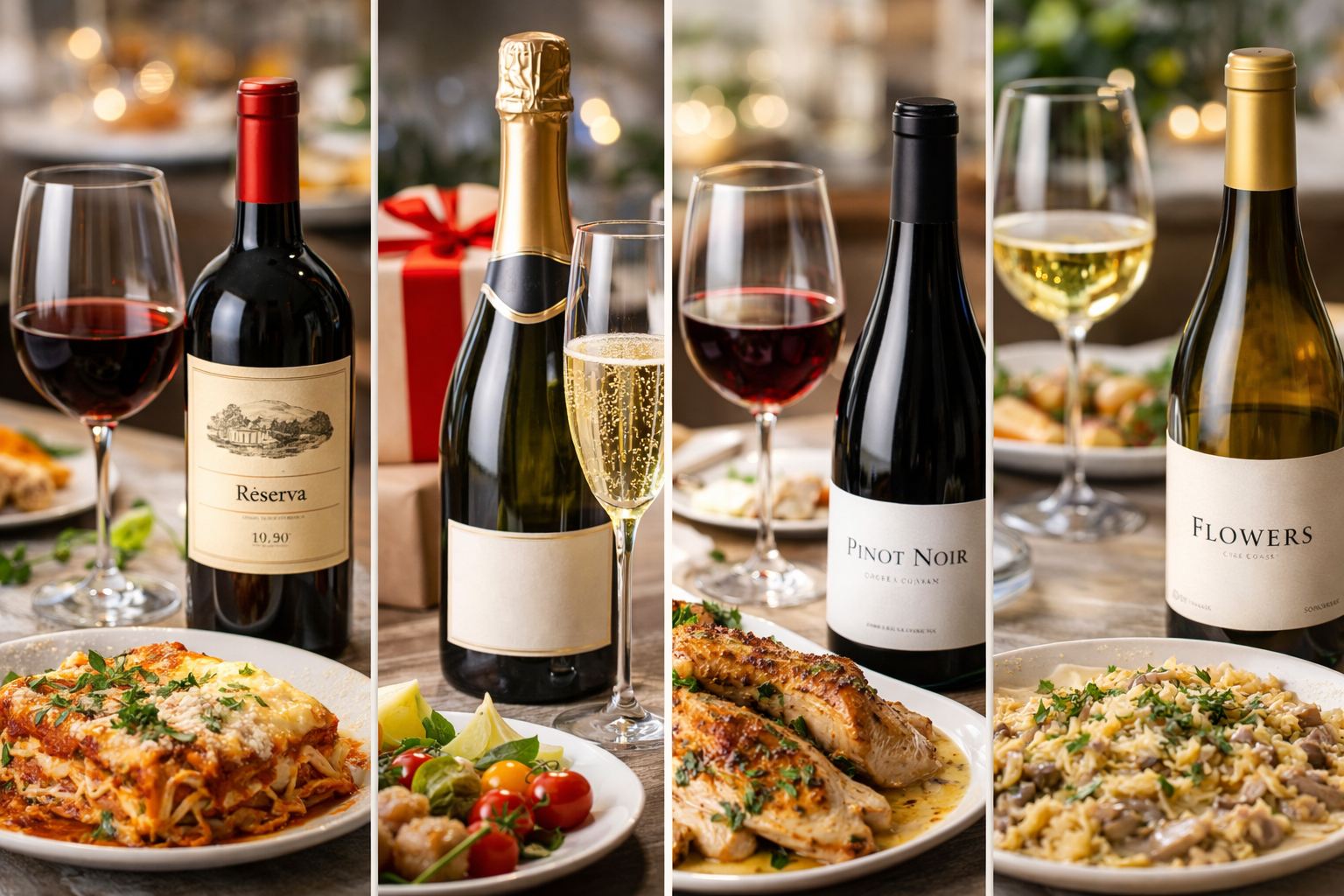
Food pairing gets overcomplicated fast, and then people stop trusting it. The core rule is simpler than the charts make it look: match the weight of the wine to the loudest part of the dish. Often that is the sauce, not the protein.
If the meal is tomato-based, herb-heavy, or built around acidity, chase wines with some zip. Chianti Classico and Barbera make a lot more sense there than a thick, sweet-fruited red that just fights the plate. For baked pasta, the logic behind best wine for lasagna is exactly that. Sauce first, then structure.
If the meal is richer and smoother, such as roast chicken with cream sauce, buttery seafood, or a mushroom risotto, a coastal Chardonnay or serious sparkling works well. If the night is celebratory and the menu is broad, sparkling gets the first look because it handles salt, fat, and party chaos better than most still wines do.
For gifts, recognizability counts a bit. Not in a snobby way. In a practical way. The bottle should look intentional, sound credible, and be easy to enjoy without a lecture. Rioja Reserva, a good Sonoma Coast Chardonnay, and quality sparkling all do that well. They signal care without feeling like you bought homework.
Quick pairing grid
- Steak or lamb: Rioja Reserva, Malbec, or a structured red blend
- Roast chicken or pork: Pinot Noir or Chardonnay
- Salmon and richer fish: Pinot Noir, Chardonnay, or sparkling depending on the sauce
- Tomato sauces: Chianti Classico or Sangiovese-led reds
- Cheese boards and mixed nibbles: Brut sparkling
A single bottle that pleases most people is usually a balanced brut, not a giant red. That still surprises people. It shouldn’t.
The Mistakes That Make a $50 Bottle Feel Like a $15 One
The most common mistake is prestige shopping. A famous region at entry level can be less satisfying than a serious bottle from a less hyped place. The label gets the glory. The glass gets the compromise.
The next mistake is service. Plenty of red wine gets served too warm, which makes alcohol stick out and texture go soft. Plenty of white and sparkling gets served too cold, which mutes aroma and makes the wine feel simpler than it is. The Wine & Spirit Education Trust’s serving-temperature guidance is a good sanity check. Full-bodied reds usually show better a touch cooler than normal room temperature, and sparkling often works best cold but not icy.
There is also the air problem. Structured reds often improve after 20 to 30 minutes in a decanter or a broad glass. Not every red needs that. Some do. When a wine smells tight, blunt, or oddly mute on the first pour, do not write the review in your head too early.
And then there is the style confusion. Ripe fruit is not sweetness. Toasty oak is not depth. Heavy is not serious. Those three mix-ups probably wreck more wine purchases than any critic disagreement ever will.
Note: A good bottle can still be the wrong bottle. Sangria and mulled wine have their own buying rules. The smarter move for pitchers is covered in best wine for sangria red, and heated winter bottles are a different lane again in best wines for mulled wine.
One last mistake, and it is sneaky. Spending the full budget when the occasion does not call for it. A bottle can be lovely and still unnecessary. There is no medal for spending the whole ceiling.
When to Spend $20, $35, or the Full $50
Most people should think in bands, not ceilings.
Around $20: the wine can be tasty, honest, and perfect for pizza night, burgers, weekday salmon, or a bottle that just needs to show up and do its job. This is where a lot of dependable value lives.
Around $35: this is the sweet spot for many buyers. You start getting more shape, more finish, and more clear sense of place without bumping into luxury pricing. If someone asks me for the safest “smart splurge” lane, this is usually it.
Around $50: spend here when the occasion asks for more polish, more precision, or a bottle that feels a little more memorable. The wine should show a reason for the extra money. Maybe it has finer sparkling texture. Maybe the oak is better judged. Maybe the finish actually widens and lingers instead of just hanging around.
The simple buying rule
If the bottle does not solve a more specific occasion, style, or gift problem, stop at the mid-$30s.
If it does, and the wine has the credentials to back it up, the jump to $50 can be worth it.
That is really the whole game. Buy for fit. Buy for balance. Buy for the table. Most shelf mistakes come from buying for symbolism instead.
FAQ
Is $50 enough for a wine that actually feels gift-worthy?
Yes. It is enough for a bottle that feels thoughtful and polished, especially in categories like Rioja Reserva, coastal Chardonnay, and quality sparkling. The trick is not spending that money on entry-level prestige regions that trade on name more than character.
Can you get real Champagne for this budget?
Sometimes, but it is often a tougher value play than strong alternatives. In this band, traditional-method sparkling from other regions or serious domestic brut usually gives a cleaner quality-to-price result.
Should a $50 red be decanted?
Some should, some should not. Structured reds that smell closed or taste tight often improve with 20 to 30 minutes of air. Lighter reds and older, more delicate bottles can lose charm if pushed too hard. The first pour tells the story.