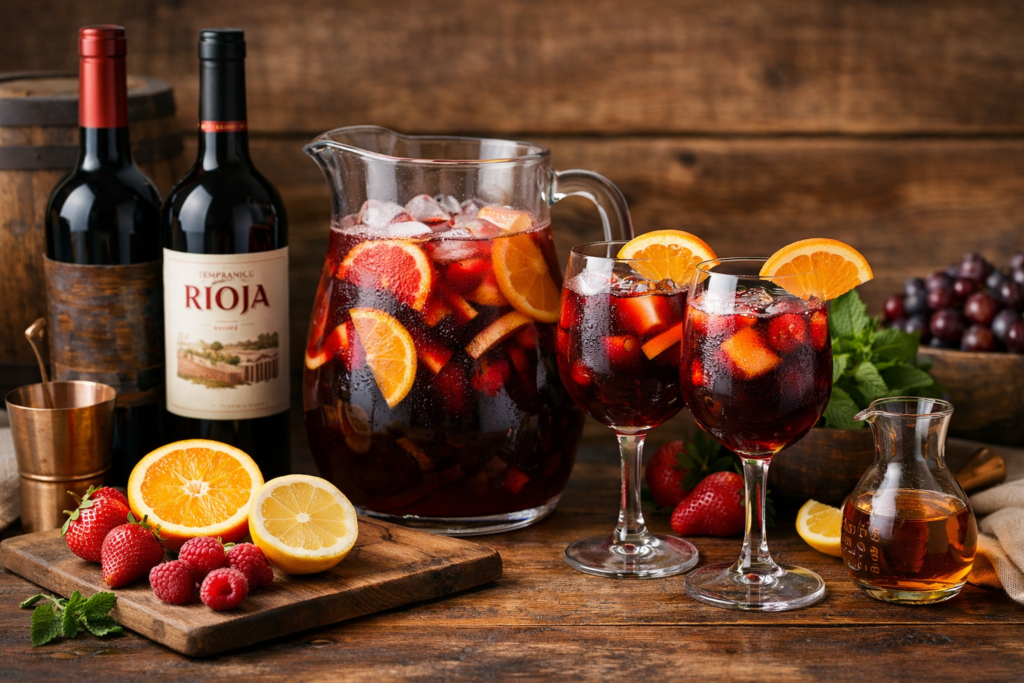
A lot of red sangria goes wrong before the fruit even hits the bowl. You grab a bottle that looks “serious,” maybe a big Cabernet with a heavy bottle and a long back-label story, and the finished pitcher comes out sharp, woody, and weirdly tiring to drink. I’ve made that mistake. Once was enough.
If you’re searching for the best wine for sangria red recipes, start with a young, dry, fruit-forward red with low-to-moderate tannin. In plain store-shelf terms, that usually means Garnacha, Tempranillo, or a young Rioja. They give you the bright red fruit, soft structure, and easy-drinking shape that sangria wants once citrus, fruit, chill, and a splash of liquor get involved.
The stock advice is “just use any cheap red.” That’s half true and half how you end up with a pitcher nobody wants a second glass of. Sangria is forgiving, but not that forgiving.
- Which red wines are the safest default for sangria
- How to spot a good bottle in under a minute
- Which grapes work best for different sangria styles
- What to skip if you want a smoother pitcher
- How much to spend without wasting money
- How to build, chill, and store red sangria so it still tastes fresh
At a glance
| If you want… | Start with… | Skip… | Why |
|---|---|---|---|
| Classic red sangria | Tempranillo or young Rioja | Oak-heavy Reserva styles | Fresh cherry and plum work with citrus and brandy |
| Juicier, fruitier pitcher | Garnacha | Very boozy jammy reds | Soft red fruit stays friendly when chilled |
| Lighter summer sangria | Pinot Noir or Gamay | Dense, tannic reds | Lower weight keeps the pitcher bright |
| Safest quick buy | A dry, medium-bodied red labeled juicy, fresh, or unoaked | Anything described as powerful, oaky, or cellar-worthy | Sangria rewards fruit and ease more than prestige |
The best red wine for sangria, in one clear answer
If you want one answer and not a wine lecture, buy young Garnacha or Tempranillo. The Rioja regulatory council notes that Tempranillo brings red fruit and balance while Garnacha adds body, fruit, and freshness. That is pretty much the shape of a good red sangria right there.
Tempranillo is the safer “classic” call. It tends to give you cherry, plum, and a dry finish that plays well with orange, apple, lemon, and a little brandy. Garnacha is often a bit juicier and softer. If you want a pitcher that tastes easy from the first glass, Garnacha is hard to mess up.
A young Rioja works well for the same reason. It is often built on Tempranillo, sometimes with Garnacha in the blend, and it usually lands in the zone you want: dry, fruity, not too stern.
Remember: The best red wine for sangria is not the “best red wine” in the abstract. It is the bottle that still tastes smooth and lively after fruit, citrus, sugar, and chill.
If those grapes are not on the shelf, don’t overthink it. A dry, medium-bodied red with fresh fruit and modest tannin is the right backup. That is the core rule.
Use this 4-point filter and you will rarely buy the wrong bottle
When I shop for sangria wine, I don’t hunt for a magic label. I run a quick filter. Four checks. Ten seconds.
1. Dry. You want the wine itself to be dry because sangria already gets sweetness from fruit, juice, soda, syrup, or liqueur. Starting with a sweet red usually turns the whole thing muddy.
2. Fruit-forward. The bottle should smell and taste like cherry, raspberry, plum, or red berries. Fresh fruit in the wine gives the added fruit somewhere to land. Without that, the pitcher can feel disjointed.
3. Low-to-moderate tannin. Tannin is that drying, grippy feel on your gums. It has its place at dinner, but in sangria it can stick out in the wrong way once the wine gets colder.
4. Medium body. According to Wine Folly, medium-bodied reds are prized for balanced tannin and moderate acidity. That balance is exactly why they do well in sangria. They hold shape without bulldozing the fruit.
Now turn that into shelf language. Good signs are words like fresh, juicy, smooth, red fruit, cherry, plum, and unoaked or lightly oaked. Caution signs are powerful, structured, full-bodied, cellar-worthy, cedar, tobacco, and dark chocolate.
Note: If the back label sounds like a steakhouse menu, keep moving. If it sounds like ripe fruit and easy drinking, you’re probably in the right aisle-space.
This is where a lot of people get tripped up. They hear “best red wine for sangria” and think grape first. Grape matters, sure, but style matters more. A soft Merlot and a hard-edged Cabernet are both red wine. They do not behave the same in a pitcher. Not even close.
Choose the grape that matches the sangria you actually want
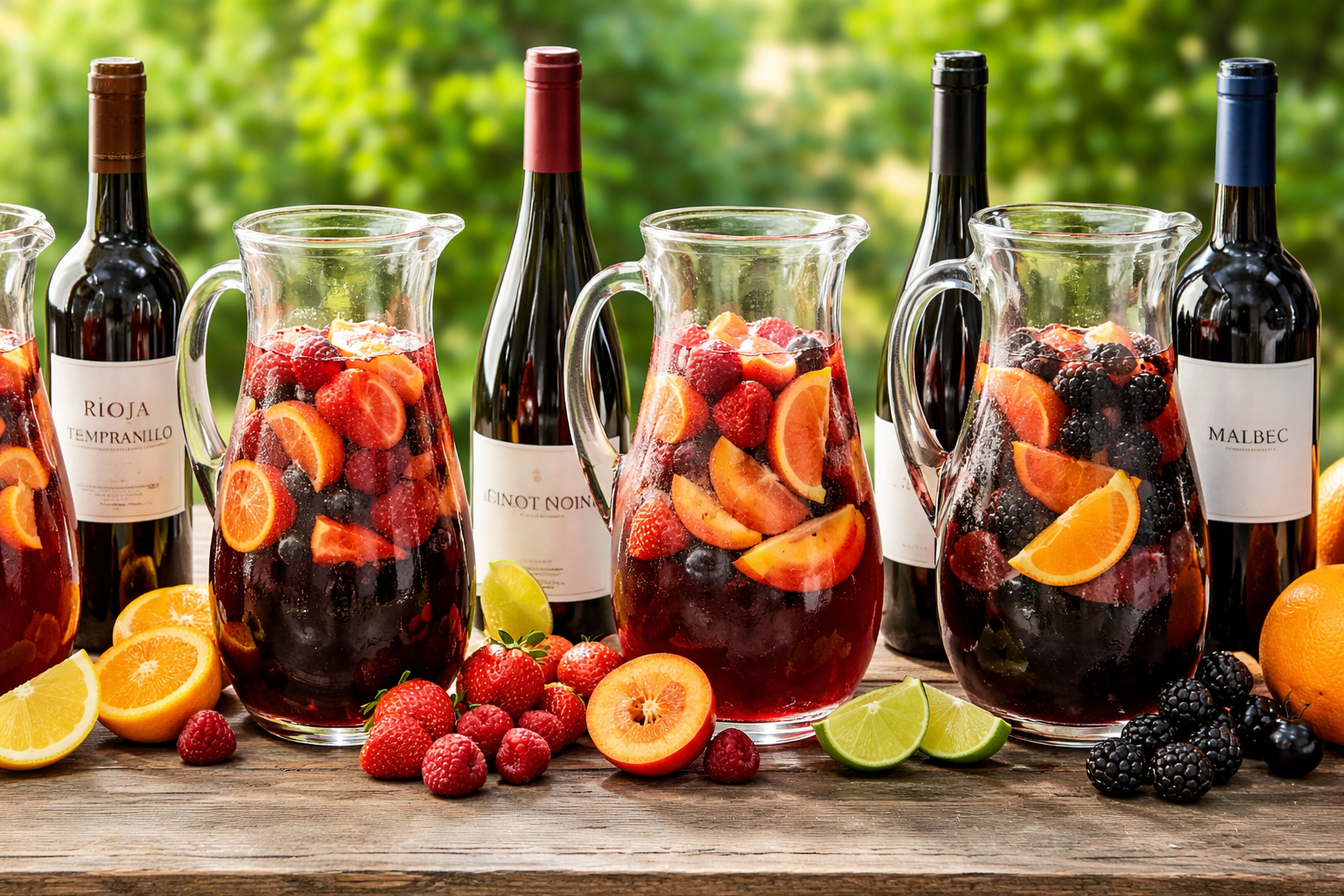
Different reds don’t just taste different on their own. They pull the whole pitcher in different directions. That’s useful once you stop looking for one perfect answer and start choosing for the result you want.
| Sangria style | Best grape/style | What it brings | Watch for |
|---|---|---|---|
| Classic Spanish red sangria | Tempranillo, young Rioja | Dry cherry-plum fruit, clean finish | Oak-aged versions can get rounder and less bright |
| Juicy crowd-pleaser | Garnacha, soft red blends | Ripe fruit, softer edges | Very hot versions can taste jammy |
| Lighter summer pitcher | Pinot Noir, Gamay | Lift, freshness, less weight | Can feel too delicate if the recipe gets sweet and boozy |
| Darker fruit, a bit more spice | Malbec, Zinfandel, Monastrell | Black fruit, fuller shape | Can get heavy fast if oak or alcohol climbs |
For classic red sangria: Tempranillo is the easiest recommendation because it feels “right” with orange, apple, lemon, and a dry finish. You get enough fruit, but not a cartoon version of fruit.
For a juicy, crowd-friendly pitcher: Garnacha is brilliant. It tends to be softer and more generous, which is handy if the sangria is for a party and not a quiet little dinner with note-taking.
For a lighter summer version: Pinot Noir and Gamay can work beautifully. They’re fresher and lower-weight, so the pitcher feels cooler and more drinkable. The tradeoff is that they are less foolproof if you pile in sweet juice, lots of brandy, and heavy fruit.
For darker fruit and spice: Malbec or a softer Zinfandel can work if you keep the recipe bright. More orange. Less sugar. A lighter hand with the liquor. That’s the deal.
The mistake here is using the same fruit mix for every red. Pinot Noir with berries and orange can be lovely. Zinfandel with the same exact treatment can tilt thick and jammy. Same recipe. Different bottle. Different outcome.
Read the label fast: young and fruit-forward beats fancy and oaky
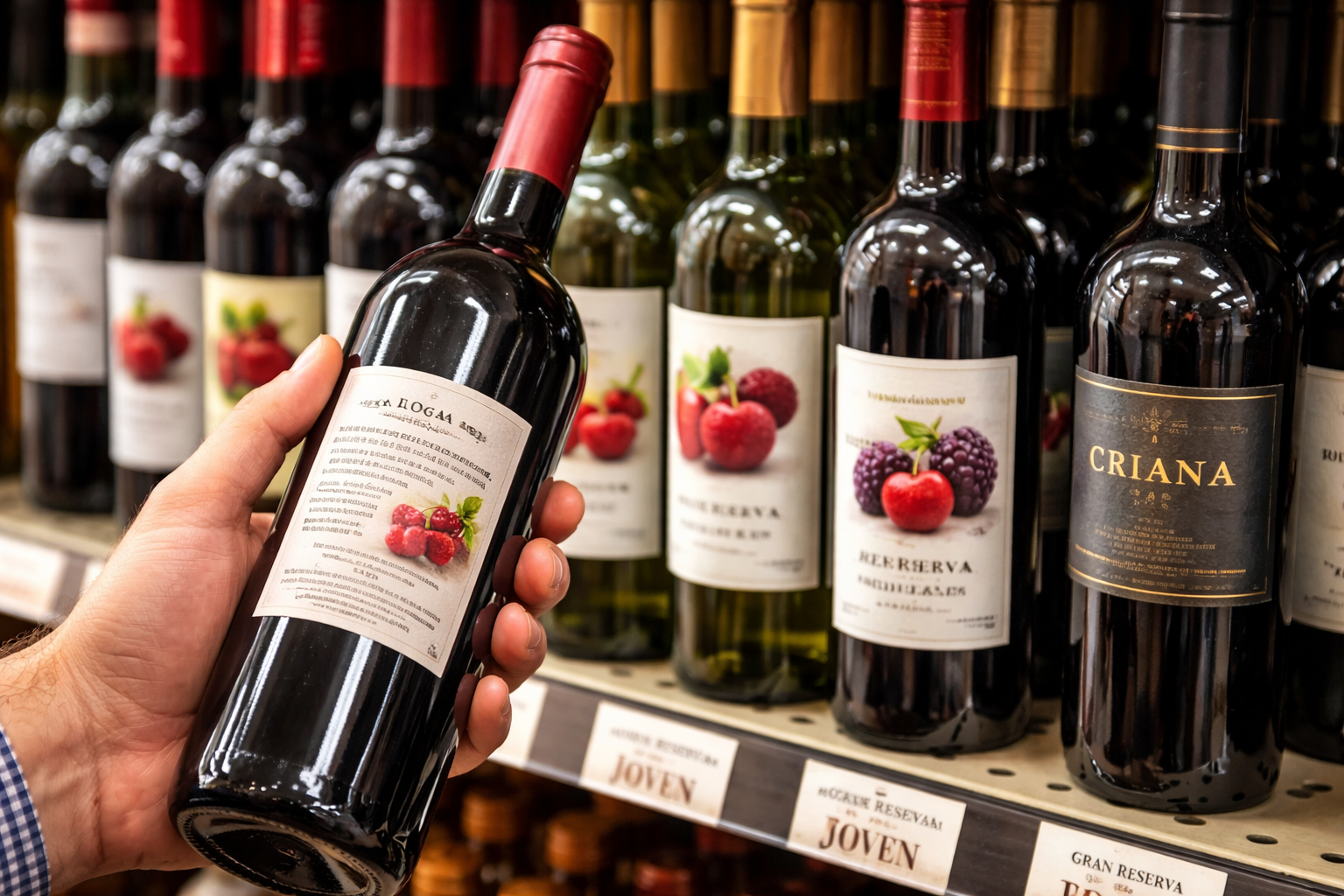
This is the part most “best red wine for sangria” guides skip, and it’s the part that helps you in the shop.
The Rioja council’s ageing guide shows that younger Rioja styles keep more primary fruit while longer-aged wines take on more oak and development. For sangria, that usually means a younger bottle is the safer buy.
So what should you look for?
Good shelf cues: joven, joven-style, joven-ish everyday Rioja, young red, fresh, juicy, unoaked, lightly oaked, cherry, raspberry, plum.
Caution cues: Crianza, Reserva, Gran Reserva, cedar, tobacco, leather, balsamic, mocha, toast, vanilla-led tasting notes.
That doesn’t mean Crianza is “bad.” It means it pulls the sangria in a different direction. Rounder. Spicier. Less bright. That can work in a cooler-weather sangria with orange peel, cinnamon, and less citrus. It is not my first choice for the clean, refreshing style most people mean when they say red sangria.
Store trick: Ignore medals, shelf talkers, and grand words for a second. Read the back label like this: fruit first, wood second. If wood is screaming louder than fruit, put it back.
One more thing. Don’t confuse “nicer” with “better here.” Sangria is not where you need subtle tertiary notes or polished oak. It just isn’t.
Skip these red wines if you want a smoother pitcher
Some reds fight sangria. They don’t just underperform. They pull the whole drink off course.
Big tannic Cabernet blends. They can turn the pitcher dry and angular, especially once chilled. The colder the drink gets, the more the hard edges show up.
Nebbiolo and other high-structure reds. These wines can be gorgeous at the table. In sangria, they often feel like too much shoe for the foot. Too much grip. Too much seriousness.
Heavily oaked reds. Vanilla, toast, cedar, and char can crowd out the bright fruit you actually want. Orange and oak are not natural friends in most sangria builds.
Very high-alcohol jam bombs. Some warm-climate reds taste plush on their own, but once mixed they can come off hot and syrupy. If the bottle smells like cooked blackberry jam and booze, that’s a warning.
Sweet red wines. Sangria already has sweet elements built in. Starting sweet makes it harder to control the final drink. It goes from refreshing to candy-ish pretty fast.
Important: A richer winter sangria can bend these rules a bit. If you’re making a darker, spiced version with less citrus and more orange peel, then a rounder red can work. But even there, avoid harsh tannin and expensive oak.
The most common bad buy is still Cabernet Sauvignon. Not because Cabernet is bad. Because people assume “bigger” means “better.” In sangria, bigger often just means louder in the wrong places.
Spend in the sweet spot, not the bargain basement or trophy shelf
You do not need a special bottle for sangria. You do need a bottle that tastes decent on its own.
For most home sangria, the buying sweet spot is around $10 to $20. That’s enough to get clean fruit and a sane finish. It also keeps you out of the zone where the wine tastes flat, gummy, or rough around the edges.
Go much cheaper and the wine can taste generic in a bad way. That matters more than people think. Fruit and sugar don’t magically hide a tired wine. They just put makeup on it.
Go much pricier and you pay for nuance that sangria buries. Once you add fruit, juice, brandy, and chill, the difference between a solid everyday red and a carefully built premium bottle gets blurry fast.
If you’re making sangria for a crowd, I would rather buy two good everyday bottles than one nicer bottle and one sad filler wine. Consistency matters more than flexing.
A standard 750 mL bottle is the normal base for one pitcher. If you’re serving a group, scale by bottles first and fruit second. Don’t try to stretch one bottle with a ton of juice. That is how sangria starts tasting like grown-up punch in the not-great sense.
Note: When the bottle’s job is dinner rather than sangria, a pairing guide like best wine with salmon is the better lane. Mixing wine and serving wine are two different jobs.
Build the pitcher around the wine so the bottle still matters
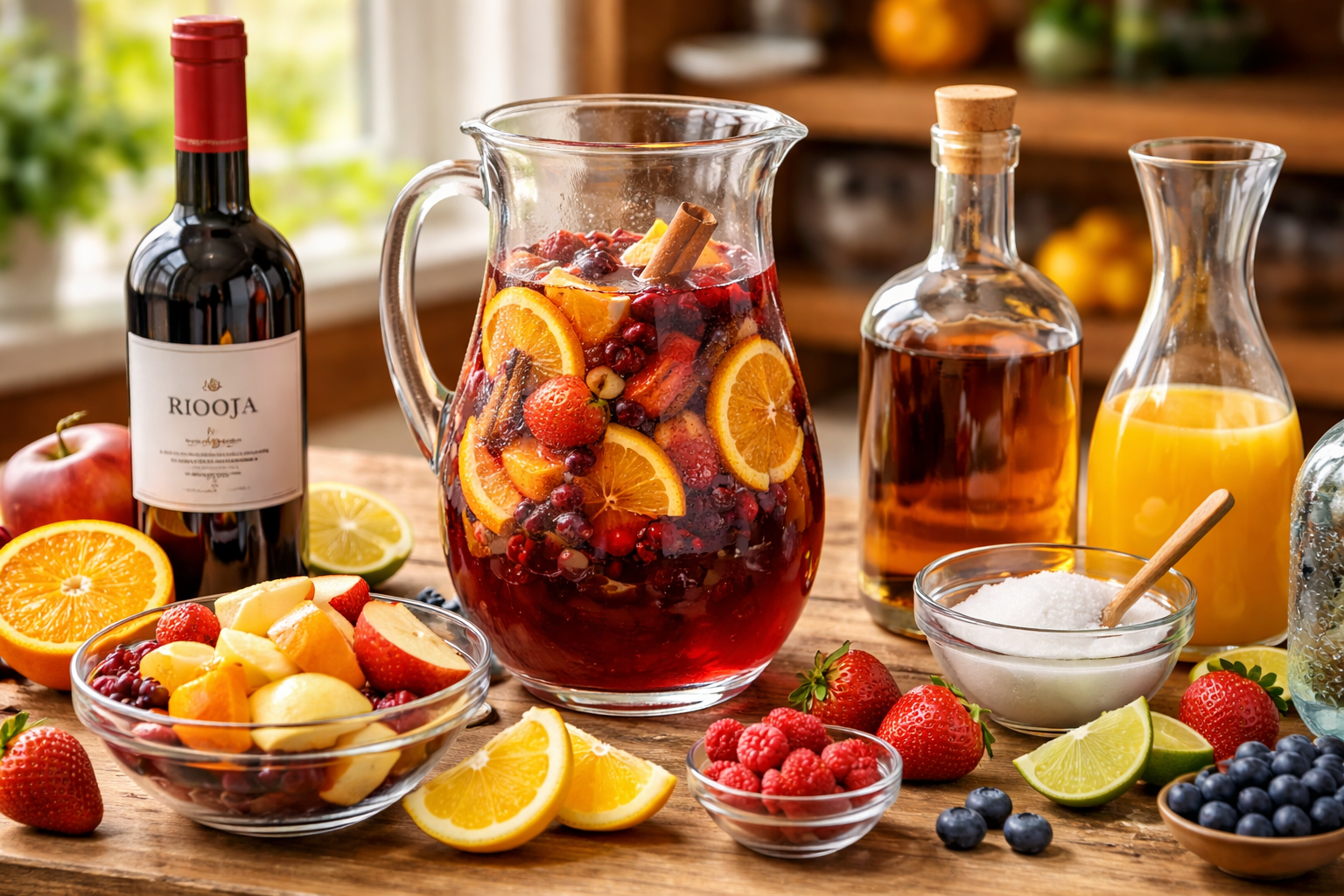
A good red wine for sangria still needs the right build around it. The wine is the frame. The fruit and mixers fill it in.
Here’s a simple starting ratio that works more often than it misses:
Basic red sangria formula
- 1 bottle dry red wine
- 1 to 2 cups sliced fruit
- 1/4 to 1/2 cup brandy or orange liqueur
- 1/2 to 1 cup orange juice
- 1 to 2 tablespoons sugar or simple syrup, only if needed
- A splash of sparkling water right before serving, if you want lift
With Tempranillo or young Rioja: orange, apple, lemon, and a cinnamon stick feel classic. Keep the sweetness moderate.
With Garnacha: orange and berries work well. Peaches can be nice in summer. This style handles a bit more fruitiness without losing shape.
With Pinot Noir or Gamay: go lighter. Citrus, strawberries, raspberries, maybe a little peach. Keep the liquor modest or you’ll flatten the wine’s fresher side.
With Malbec or Zinfandel: trim back the sugar and keep the fruit bright. More orange and less sugary juice. You need the citrus to keep the whole thing from getting thick.
One small trick that saves bottles: make a one-glass test first. Pour 2 ounces of the wine over ice, add a tiny splash of orange juice, and drop in a slice of orange. Taste it. If it already turns bitter, hot, or woody, don’t commit the whole bottle.
And go easy on sugar at the start. A lot of “bad wine for sangria” complaints are really “too much sweetener too early” complaints. Fruit will soften the wine as it sits. Give it a minute before you start dumping in syrup.
Chill, rest, and store sangria without flattening the flavor or ignoring the basics
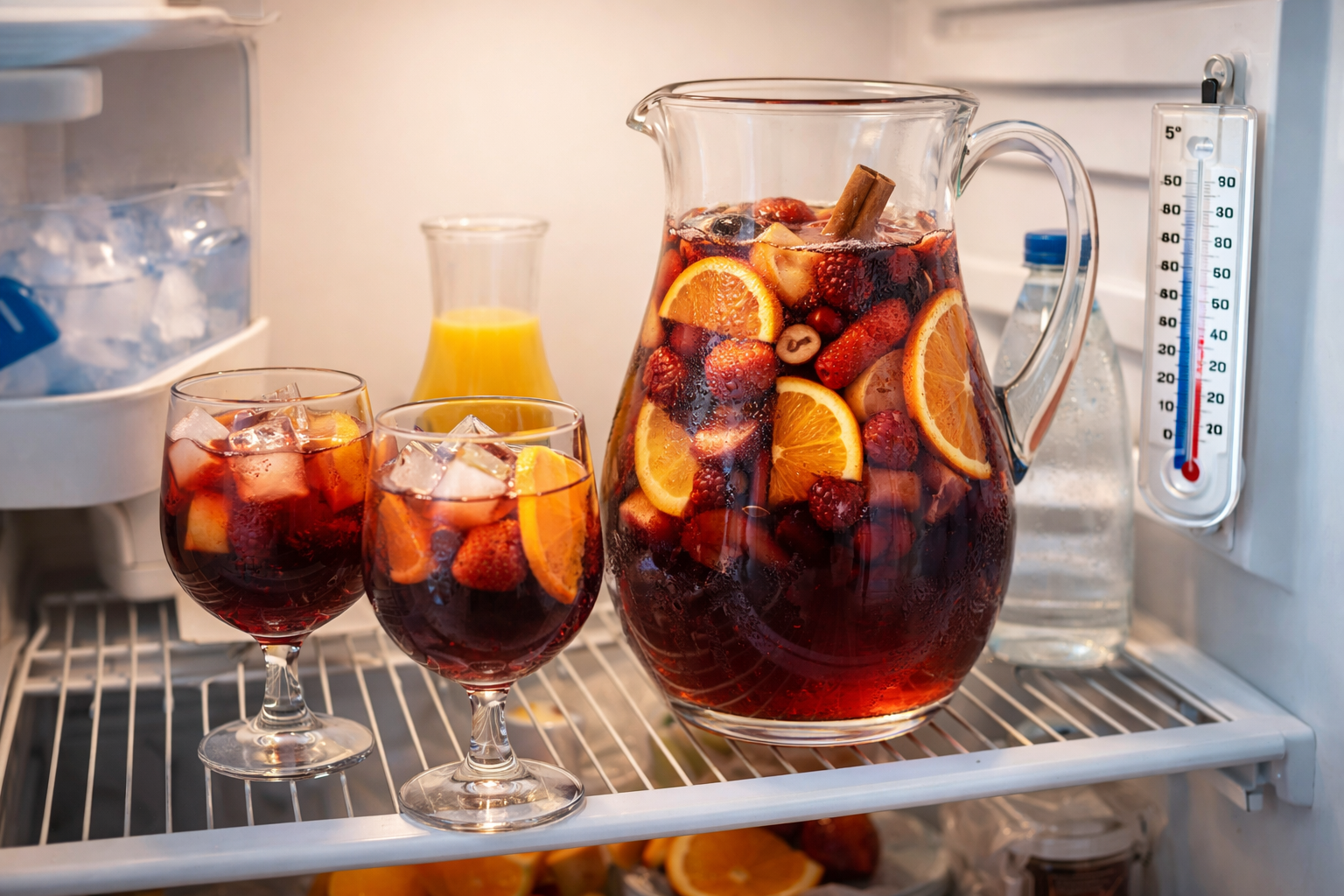
Temperature matters more than people think. Wine Folly’s serving guide puts light and medium-bodied red wines at about 55 to 60 F, which is a useful target for sangria too. Not warm. Not ice-cold like soda. Just properly cool.
If you serve red sangria too warm, the alcohol sticks out. If you serve it brutally cold, the fruit gets muted and the harder edges show more. Somewhere in the cool middle is the sweet spot.
Let the sangria rest for at least 2 to 4 hours in the fridge. Overnight is fine if the wine is sturdy enough and the fruit is fresh. That extra time helps the citrus and fruit settle in so the drink tastes blended instead of assembled.
Use ice in the glass, not a mountain of ice in the pitcher. A big pitcher full of melting cubes waters down faster than you’d think. This is one of those small hosting details that changes the last glass a lot.
And yes, the fruit matters for storage. FoodSafety.gov says cut fruit should stay refrigerated and should not sit out for more than 2 hours, or 1 hour above 90 F. Sangria feels casual, but cut fruit is still perishable. Keep the pitcher cold.
If there are leftovers, strain out the fruit by the next day if you can. The wine is usually still drinkable for another day or so, but the fruit gets tired and the peel can start pushing bitterness into the mix.
So the short version is this: buy a young dry red with fresh fruit, build the pitcher with a light hand, chill it properly, and don’t confuse “fancy” with “better.” That gets you most of the way there, and honestly, that’s the part that counts.
FAQ
Can you use boxed red wine for sangria?
Yes, if it fits the same rules: dry, fruity, smooth, and not too tannic. Boxed wine is fine for parties when the quality is solid. The same warning applies, though. Cheap rough wine stays rough after you add fruit.
Is Cabernet Sauvignon ever okay in red sangria?
It can work in a darker, less citrusy sangria if the Cabernet is soft and not heavily oaked. For a classic bright pitcher, it is not the safest pick. Tempranillo, Garnacha, Merlot, or a softer blend usually make life easier.
Should red sangria be made the night before?
It often tastes better after a few hours in the fridge and can be made the night before. Keep it cold, strain the fruit sooner rather than later if storing leftovers, and add any sparkling water right before serving so it still has some snap.