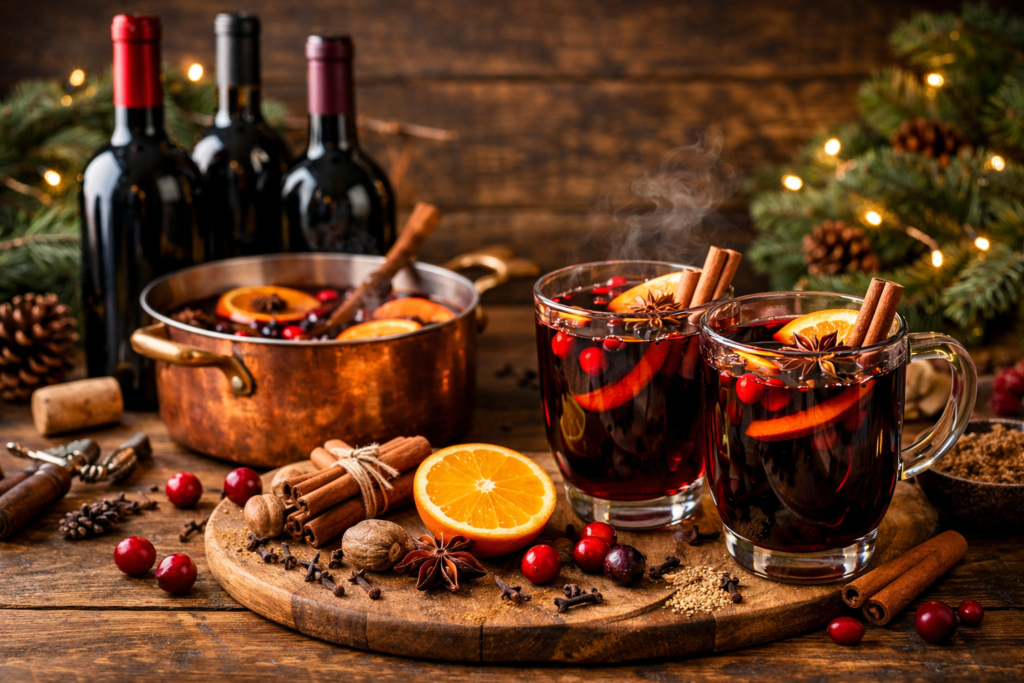
If you landed here searching for the best wine for mulled batches, the short answer is this: start with a fruit-forward red that is dry or just off-dry, has low to medium tannin, and doesn’t lean hard on oak. In plain English, you want a bottle with enough body to stand up to orange peel, cinnamon, and cloves, but not so much grip that the finished mug tastes like hot bark and regret.
I’ve made that mistake before. I grabbed a stern, oaky red because it looked “serious,” warmed it with a good spice mix, and the pot still came out bitter and muddy. That is the trap. Mulled wine is forgiving, but it will not hide a wine that fights the spices from the first pour.
What you’ll get here:
- How to pick the right wine in under two minutes
- Which grapes work best and what each one changes in the mug
- Which bottles and styles to skip
- When white mulled wine makes more sense than red
- How sweetness, citrus, and brandy change the best bottle
- How to keep the batch smooth instead of bitter
At a Glance: Pick your base wine by outcome
| If you want… | Choose… | Skip… |
|---|---|---|
| A safe crowd-pleaser | Merlot or Grenache | Big oaky Cabernet |
| A richer, jammy holiday style | Zinfandel | Very sweet red blends |
| A drier, cleaner mug | Tempranillo | Jammy reds plus lots of sugar |
| A lighter citrus-led version | White wine with low oak | Heavy Chardonnay |
Best Suggestions Table (All products have been personally reviewed & tested by us! Click the buttons below to jump to the reviews.)
| Product | Best for | Action |
|---|---|---|
| Cline Ancient Vines Zinfandel | Richer, jammy mulled wine |
Check Price Review |
| Frey Organic Merlot | Soft, easy crowd-pleaser |
Check Price Review |
| CUNE Rioja Crianza | Drier, cleaner spice profile |
Check Price Review |
Tip: Clicking the “Review” button will move you to the review so you can decide fast.
Here’s the short answer if you need a bottle fast
The best wine for mulled wine is usually a red that tastes generous before you do anything to it. Think plum, cherry, berry fruit, maybe a little spice of its own. Not much oak. Not a mouthful of drying tannin. Not syrupy.
If you’re standing in a shop and want the fastest safe-buy rule, reach for one of these:
- Merlot
- Grenache or Garnacha
- Zinfandel
- Tempranillo
Those grapes keep showing up for a reason. They usually bring enough fruit to carry the spices, and they do not need to be expensive to taste good in a mulled batch.
Two quick caution calls. Pinot Noir can work if you want a lighter, brighter mug, but it can get lost if your spice mix is heavy. Shiraz or Syrah can be excellent if you want a darker, winter-spice feel, but pick a softer style instead of a dense, smoky bruiser.
And yes, skip the prestige bottle. Once orange peel, cinnamon, cloves, sugar, and maybe brandy go into the pot, the tiny nuances you paid for are mostly gone.
Use the 4-part filter that actually predicts a good mug
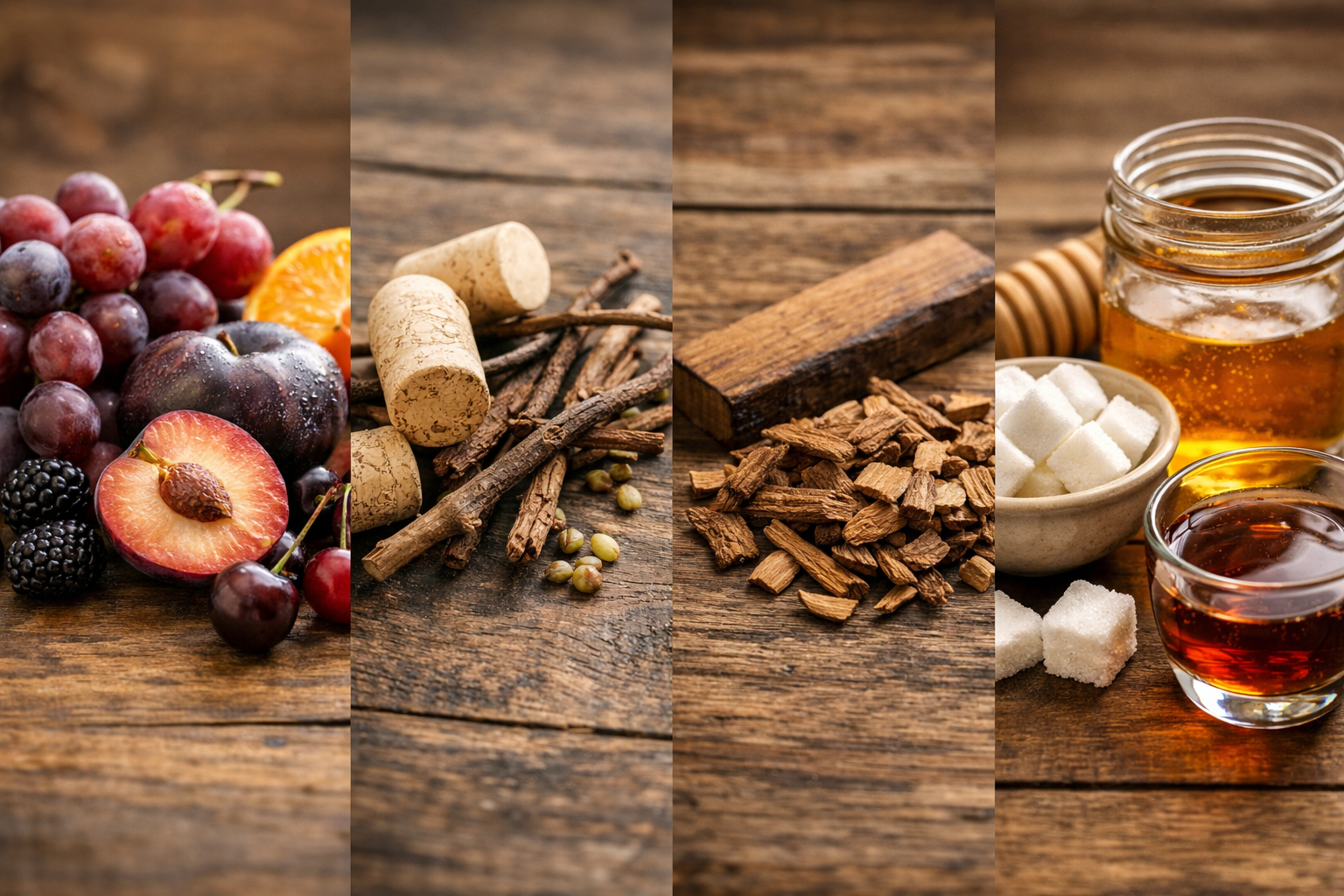
When a mulled batch goes wrong, the problem usually shows up in one of four places: fruit, tannin, oak, or sweetness. That’s the whole filter. You do not need a tasting diploma or a long shopping spreadsheet.
1. Pick fruit that can survive heat and spice.
Berry, plum, and cherry fruit hold their shape once warmed. A thin red can taste washed out after ten minutes in the pot.
2. Keep tannin low to medium.
The Wine & Spirit Education Trust describes mouth-drying tannins as part of wine’s texture, and that is exactly why grippy reds can taste rougher once they’re hot. Heat and clove together can make a stern red feel even more bitter.
3. Go easy on oak.
Oak can add nice spice in table wine, but in mulled wine it often piles on top of cinnamon and orange instead of helping. The result can feel woody in a bad way. Think damp cupboard, not festive market.
4. Start dry, then sweeten the pot yourself.
This is the part people mess up. If the wine is already sweet and your recipe adds sugar, honey, syrup, Port, or orange liqueur, the batch can turn sticky fast. Starting dry gives you room to steer.
How I tested them
I test mulled-wine bases the same way at home because full-bottle experiments get expensive and weirdly exhausting. Each wine gets a one-cup pilot batch with the same small strip of orange peel, half a cinnamon stick, two cloves, and just enough sugar to show the wine’s shape without burying it. Then I warm it gently, taste at 5 minutes and 10 minutes, and check three things: does the fruit still read clearly, does the finish turn bitter, and would I want a second mug? That is the standard behind the ratings below.
Cline Ancient Vines Zinfandel
Rating: 4.7/5 for mulled wine
This is the bottle I reach for when I want the mulled wine to feel deep, plush, and a little indulgent without veering into dessert territory. Zinfandel has a natural jammy streak, and that fruit holds up well when orange peel and cinnamon start pulling the wine in different directions. In the test cup, this one stayed generous after warming. The red fruit still came through, and the finish had enough heft to feel cozy without turning blunt.
Where it works best is a classic red mulled wine with cloves, star anise, and a splash of brandy. The bottle has enough body to take the extra spirit, which matters. Some softer reds collapse once brandy goes in. This one didn’t. It stayed rounded and warm.
The tradeoff is sweetness management. Because Zinfandel can feel ripe even when dry, you need a light hand with sugar. I would start lower than your recipe says, taste, then add more only if the mug still feels sharp. If you already like a less-sweet style of mulled wine, this bottle can read a bit too lush unless you keep the spice mix clean and the sweetener restrained.
Best for: richer, holiday-style batches, bigger spice mixes, and hosts who want a red that tastes full and friendly after warming. Not the best pick if you want a bright, lean, almost citrus-first mug.
Frey Organic Merlot
Rating: 4.6/5 for mulled wine
Merlot is the bottle I suggest when someone says, “I just want this to work.” That sounds basic, but it is a real strength. In the pilot batch, this bottle came across soft and cooperative. No jagged tannin. No awkward oak sticking out. The spices settled into it instead of fighting it.
That softness tracks with Merlot’s broader reputation. The Wine & Spirit Education Trust points to Merlot’s approachable tannins and velvety texture, and that is exactly the sort of structure that behaves well in mulled wine. You get room for cinnamon and orange to show up, but the base still feels like wine, not fruit punch.
This is the best bottle in the group for a crowd where not everyone is into wine. It lands softly. It is also forgiving if your spice hand gets a little heavy, which happens in real kitchens. The downside is that it won’t deliver the same dark, jammy drama as Zinfandel, and it can feel a touch plain if you want a bold market-stall style.
Best for: safe crowd-pleasing batches, beginner hosts, and recipes with a moderate amount of sugar or honey. If I were making one pot for a mixed group and didn’t want surprises, this is the one I’d grab first.
CUNE Rioja Crianza
Rating: 4.4/5 for mulled wine
This one is for readers who want mulled wine that still tastes like wine. Rioja Crianza, built largely on Tempranillo, has a cleaner, drier shape than the plusher Merlot and the riper Zinfandel. In the cup test, it gave a more polished result. The spice sat on top of the wine in a tidy way, and the finish stayed neat rather than jammy.
That works well if your recipe already brings sweetness from orange juice, brown sugar, maple syrup, or a splash of liqueur. A drier base keeps the final mug from slumping into candy. It also makes the orange peel taste fresher. I like this style when the goal is “one more mug” rather than “dessert in a mug.”
The weak spot is oak management. Crianza wines can bring some barrel influence, and if that oak pushes too far, the mulled batch can start tasting a bit woody. This bottle stayed within bounds in testing, but I still wouldn’t pair it with a very clove-heavy spice mix. Keep the spice blend cleaner and it sings.
Best for: drier mulled wine, spice mixes with good citrus lift, and readers who don’t want a jammy Christmas-market style. It is a sharper call than Merlot, but when it fits, it fits really nicely.
Choose the wine style that matches the mug you want
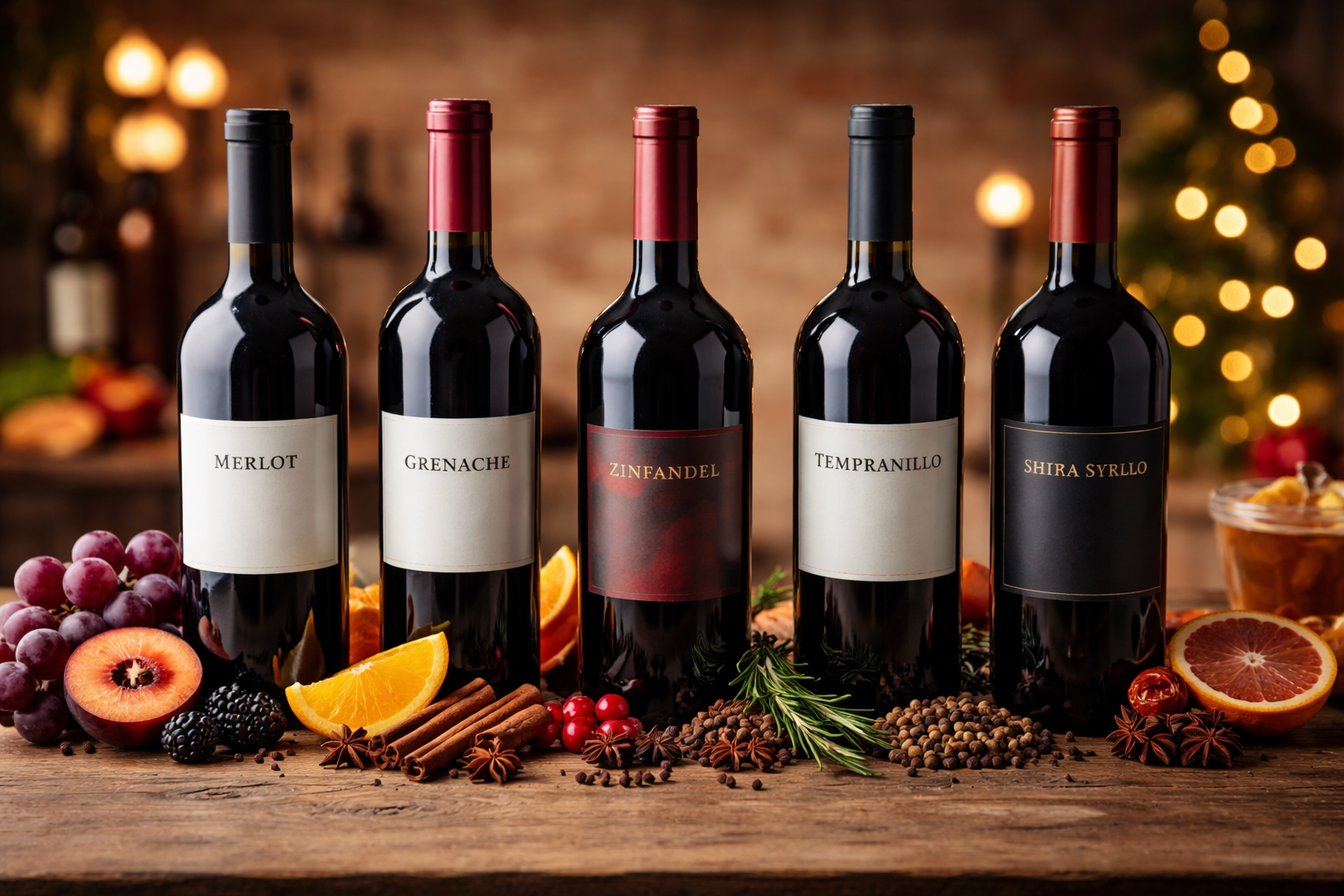
A lot of “best red wine for mulled wine” lists dump grapes in a pile and call it guidance. That’s not much help when one reader wants a soft crowd-pleaser and another wants something darker and spicier.
Merlot: soft, plush, easy to like. This is the safest default for a classic mulled wine. It works well when you want the spices to feel rounded rather than sharp.
Grenache or Garnacha: juicy, bright, spice-friendly. The Rioja regulatory council notes that Garnacha stands out for its freshness and versatility, and that freshness is a gift in mulled wine. It keeps the mug from feeling heavy. Great when your recipe leans on orange peel and you want some lift.
Zinfandel: richer, jammier, bigger holiday feel. This is the bottle for people who want the room to smell amazing and the first sip to feel like December grabbed you by the shoulders.
Tempranillo: drier, cleaner, a little more savoury. Good if you dislike very sweet mulled wine or if your recipe already has plenty of sweetness built in.
Shiraz or Syrah: darker fruit, fuller body, more winter-spice energy. Medium- to full-bodied Shiraz often brings the sort of dark-fruit weight that works well in colder-weather serves, but softer examples are better here than smoky, heavily oaked ones.
Pinot Noir: lighter and brighter. It can make a lovely mulled wine if you want something more elegant and less weighty, but the spice bill needs a lighter hand. Too many cloves and it vanishes.
| Wine style | Body | What the mug tastes like | Best for |
|---|---|---|---|
| Merlot | Medium | Soft plum, rounded spice | Crowd-pleasing batches |
| Grenache / Garnacha | Light to medium | Juicy, bright, lifted | Citrus-led recipes |
| Zinfandel | Medium to full | Jammy, warm, festive | Richer holiday mugs |
| Tempranillo | Medium | Cleaner, drier, tidier spice | Less-sweet batches |
| Pinot Noir | Light | Bright, delicate, light-footed | Lighter mulled wine |
Buy in the sweet spot, not the bargain bin and not the splurge shelf
The right bottle for mulled wine lives in the everyday-drinking zone. Not the bottle you hide for a dinner party. Not the cheapest thing on the shelf just because it will be “covered by spices anyway.”
That old line gets repeated a lot, and it only tells half the story. Spices do cover some subtlety, yes, but they also expose flaws. Thin fruit, harsh tannin, stale oak, and rough alcohol stand out more than people expect once the wine is warm.
So buy in the middle. A bottle you would happily drink on its own on a Tuesday night is usually the right kind of bottle for mulled wine.
- Skip the rock-bottom shelf if the wine tastes hot, thin, or aggressively woody
- Skip the prestige shelf because the nuance won’t survive the pot
- Buy one bottle first, test a cup, then scale up for a party
That last point saves money and saves embarrassment. If the pilot cup tastes flat, you found out with one cup, not six bottles in a slow cooker.
Choose red, white, or rose by the result you want

Red is the classic. No surprise. But white mulled wine is not some novelty move for people trying to be clever. It can be excellent.
Choose red when you want the familiar version: darker fruit, deeper spice, more body, and that cosy market-stall feel most people picture.
Choose white when you want the citrus and aromatics to lead. White mulled wine feels lighter on the palate. Ginger, orange, cardamom, and star anise show up more clearly. It is especially good if you find standard red mulled wine a bit heavy by the second mug.
Choose rose if you want a bridge between the two. A dry rose can make a bright, pretty, lightly spiced version. I wouldn’t call it the default, but it can work well for a lunch gathering or a lighter holiday table.
For white mulled wine, keep the same broad rules: fruit-forward, low oak, and not too sweet. A crisp white like Pinot Grigio or Chenin Blanc can work nicely. Heavy Chardonnay usually does not. Warmed oak plus warm citrus is just… off.
Match the wine to your recipe, not just the keyword
This is where the best wine for mulled wine changes a bit. The bottle is only half the call. The recipe pushes the rest.
If you’re adding brandy or Port, pick a softer base.
Extra spirit adds weight and heat. A plush Merlot or juicy Grenache handles that better than a strict, tannic red.
If the recipe is sweet from the start, go drier with the wine.
Brown sugar, honey, maple syrup, orange juice, and liqueur all stack sweetness in different ways. A dry Tempranillo or drier Merlot helps keep the pot upright.
If your recipe leans hard on orange peel, use a wine with some brightness.
Grenache, Pinot Noir, and some drier reds pair better with citrus-led mulling than dark, oaky reds do.
If you’re making a big slow-cooker batch, use a straightforward wine.
Longer warm time smooths out detail anyway. Fruit and balance matter more than nuance.
Three fast if/then rules help here:
- If the recipe includes added spirit, choose softer fruit over extra tannin
- If the recipe includes a lot of sweetener, start with a dry wine
- If you want a lighter final mug, switch to white wine instead of forcing a light red to do that job
That last one is worth underlining. Readers often ask whether Pinot Noir is the answer when they want a lighter mulled wine. Sometimes, yes. But white wine often gets you there more cleanly.
Avoid the bottles that fight your spices
Some wines are bad for mulled wine in a very predictable way.
Heavily oaked Cabernet Sauvignon: this is the classic mistake. Not every Cabernet fails, but many are too structured, too tannic, or too oak-driven for the job. The cloves pull the bitterness forward, and the orange peel can make the oak taste weirdly splintery.
Already-sweet reds: they rob you of control. Once sugar and fruit liqueur go in, the drink can tip into syrupy fast.
Old or delicate bottles: mulled wine is not the place for subtle, mature aromas. They disappear. Sometimes they turn muddy.
Oxidised leftover wine: leftover wine for mulled wine is fine if it still tastes clean. If it already tastes tired, bruised, or vaguely vinegary, the spice pot will not save it.
Quick fix guide
- Too bitter: too much tannin, too much clove, or heat that ran too high
- Too sweet: sweet wine plus sweet recipe
- Too flat: thin wine, stale spices, or too much dilution
- Too woody: oak-heavy bottle plus long warming time
One thing I learned the annoying way: adding more sugar and cinnamon is not a rescue plan for a bad base wine. It can mask the first sip, and then the finish still falls apart.
Warm it gently so the wine stays smooth
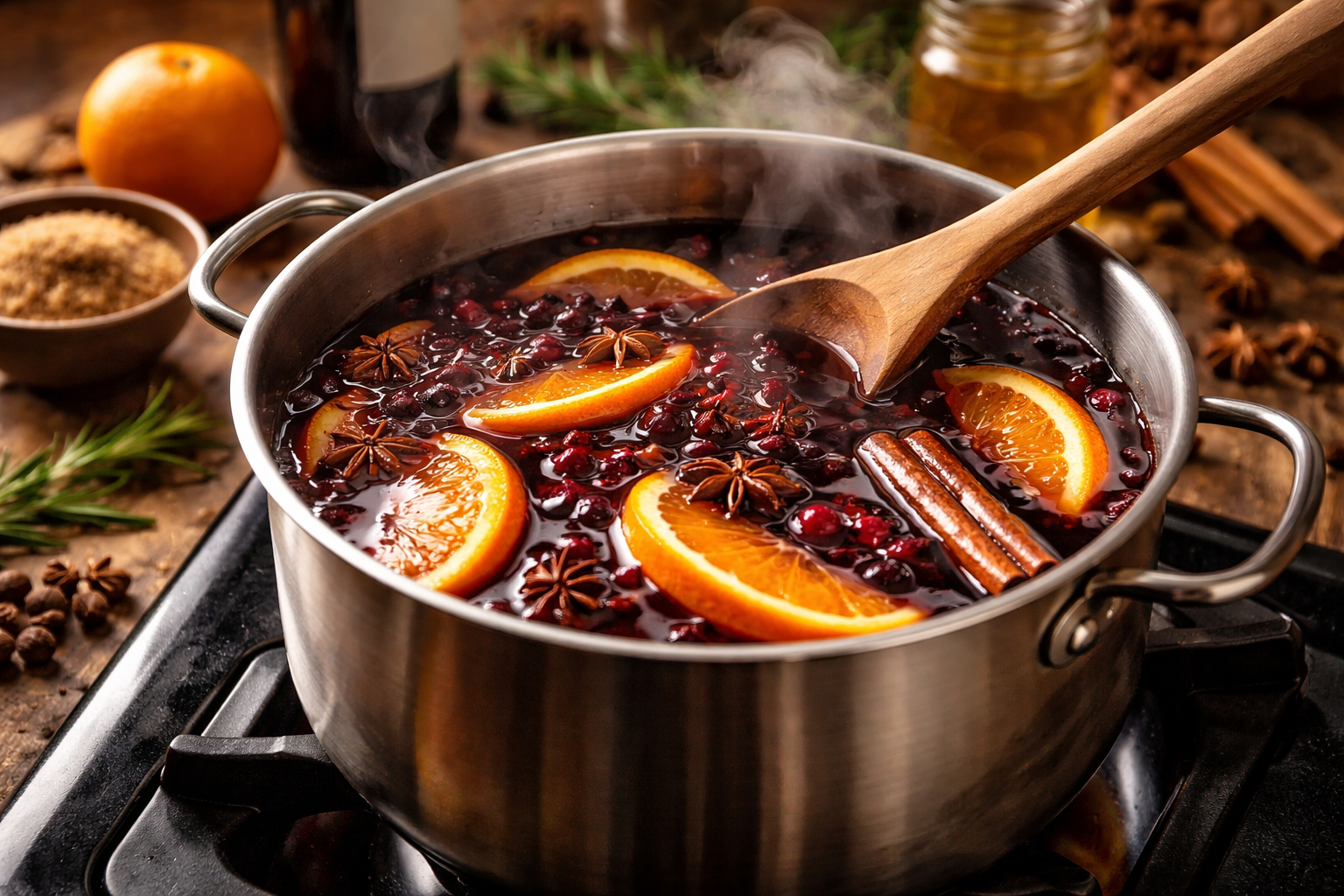
A lot of “wrong wine” complaints are really heat problems. People boil the batch, strip out the freshness, pull bitterness from the spices, and then blame the bottle.
Don’t boil mulled wine. Warm it gently until it is steaming and properly hot to drink, then let the spices infuse. That slower heat keeps the fruit clearer and the finish softer.
If you want the science bit without turning this into homework, the USDA data on alcohol during food preparation exists for a reason: alcohol does remain in cooked and warmed dishes to varying degrees. So no, a gentle simmer does not magically make mulled wine alcohol-free.
My favourite habit here is the one-cup pilot batch. Warm one cup with a small piece of peel and a pinch of spice. Taste after 5 minutes. Taste after 10. If it tastes promising, scale it up. If not, you’ve lost one cup and learned something useful.
That is also why mulling spices should be treated a little like tea. A short steep is lively. A long hammering boil gets dull, bitter, and dusty.
FAQ
Can you use Cabernet Sauvignon for mulled wine?
You can, but it is not the safest default. If the Cabernet is soft, fruity, and not too oaky, it can work. Many bottles in that category are too tannic or too barrel-driven, which makes mulled wine taste more bitter and woody once warmed.
Can you use leftover open wine for mulled wine?
Yes, if it still tastes clean and pleasant. If the open bottle has turned flat, stale, or vinegary, mulling won’t fix it. A day or two old is often fine. A tired bottle from the back of the fridge usually is not.
Is white wine really good for mulled wine?
Yes. White mulled wine is lighter, brighter, and often better for readers who want more citrus and less weight. Start with a fruity white that is low in oak, and keep the sweetener more restrained than you would in a red version.